Analyzing Tensions in Jerusalem: A Complex Landscape
In the heart of Jerusalem, the intricate dynamics between Israelis and Palestinians manifest in diverse and often contentious ways. Recent events have brought to the forefront a narrative that many believe is entwined with notions of annexation, claims to territory, and deeply rooted historical grievances. While various stakeholders interpret the situation differently, a palpable tension exists beneath the surface of daily life in the city.
For many of Israel’s allies, including the UK, the land in question is viewed as "occupied." This perspective aligns with international law, which generally supports the rights of peoples to self-determination and sovereignty over disputed territories. However, a sizeable segment of the Israeli populace sees this space—a stretch of land from the Jordan River to the Mediterranean Sea—as historically theirs. Some passionately argue that this is their homeland, a place they have awaited for over two millennia.
This sentiment is echoed in comments made by Israeli officials who reflect on historical grievances, notably that they extended offers to Palestinians for land, only to be met with refusals. They argue that the land was never rightfully possessed by Palestinians, framing their historical narrative to support contemporary claims. Such assertions raise uncomfortable questions about identity, belonging, and legitimacy. When one group believes it has an inherent right to the land, the implications for the opposing group can be profound.
The current discussions on territorial claims are complicated by provocative actions. Just prior to a recent public demonstration, an Israeli minister made headlines by unfurling an Israeli flag next to the Al-Aqsa mosque, a site of great significance to both Jews and Muslims. This action was not merely ceremonial; it highlighted the tension of religious identity intersecting with nationalistic fervor. The minister declared the complex to be “in our hands,” a remark laden with implications, showcasing the inner workings of political symbolism.
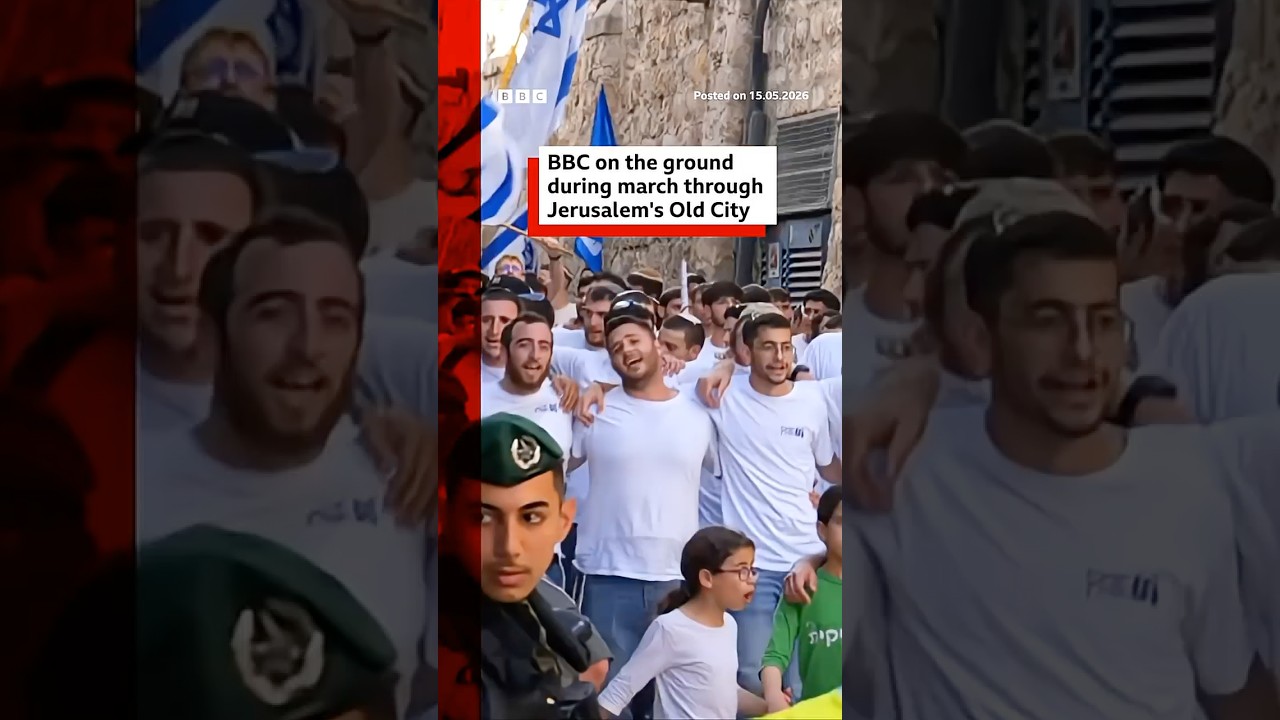
During the recent march through Jerusalem, demonstrators directed aggression toward Palestinian residents, with some peace activists stepping in to defend those being targeted. The police response resulted in sixteen arrests, including the capture of a young boy who had reportedly spit on a peace volunteer. Observers noted a striking dynamic: the apparent absence of fear among young marchers in confronting Israeli law enforcement. This boldness suggests a normalization of confrontational behavior, reflecting a disquieting trend within certain factions of Israeli society.
On the same day, Palestinian business owners were ordered to close their establishments, a move that led to a noticeable reduction in the population present in the area. This “false calm,” as characterized by some critics, belies the reality of a community suppressed and subdued, fostering an environment where confrontations can escalate dangerously. The lack of Palestinian presence transformed the atmosphere, yet for many, it left a lingering unease and anticipation of future provocations.
To analyze these developments requires a nuanced understanding of the historical and current narratives at play. For those on the extreme right of the Israeli political spectrum, recent actions symbolize not just rights to the land but a purported blueprint for the future. The prospect of annexation looms large in discussions, and for some, it appears as a goal that is inching closer to realization.
As we move forward, understanding the complexities of these interactions in Jerusalem becomes increasingly vital. The broader implications of such confrontations extend beyond immediate conflict. They are enmeshed with identity, historical claims, and the quest for stability, ultimately shaping the future of both communities involved. Dialogue remains essential to untangling these longstanding issues, yet as events unfold, it becomes clear that any resolution will require a commitment to understanding from all sides. The pathway is fraught with challenges, but recognizing the depth of these tensions is a critical first step in seeking a more peaceful coexistence.