A Disputed World Cup: Politics, Security, and the Future of Global Sports
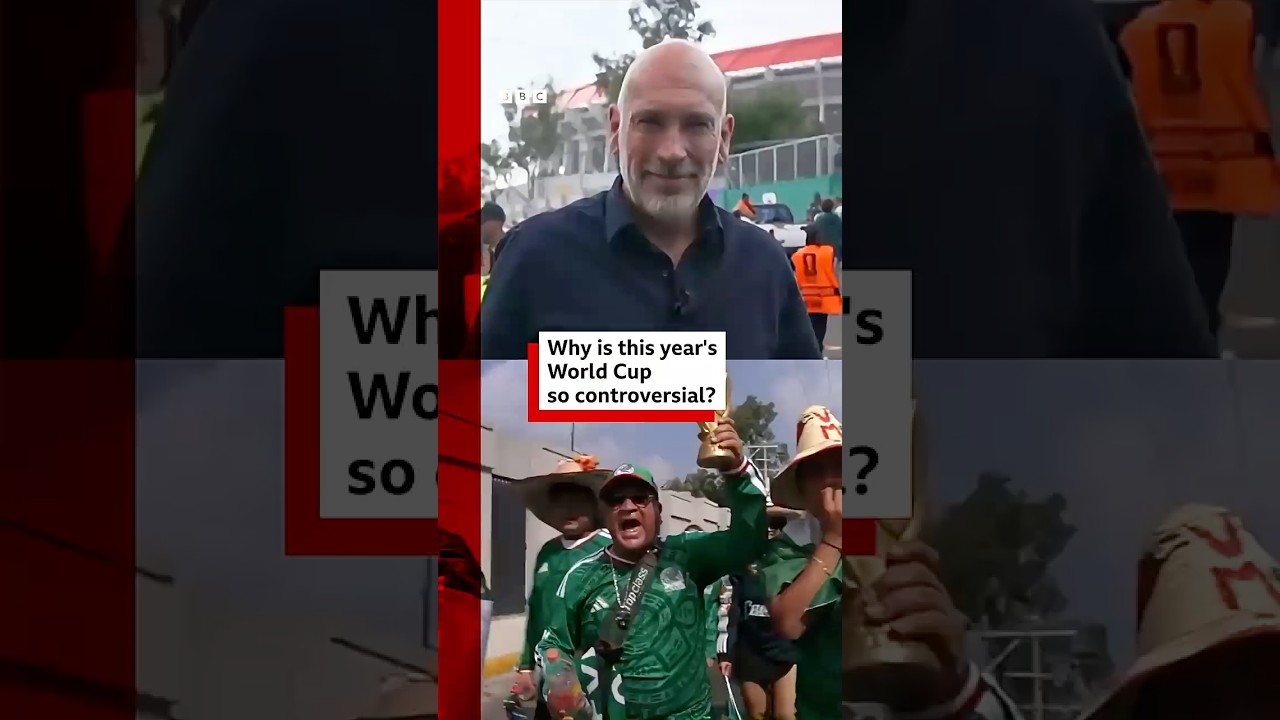
The ongoing World Cup is proving to be one of the most controversial in recent history, characterized by a perfect storm of political tensions, security concerns, and environmental issues. As football fans celebrate the beautiful game, they are simultaneously confronting a backdrop that is fraught with complexity and uncertainty.
At the heart of this World Cup’s controversies lies a notable geopolitical situation. For the first time, one of the tournament’s host nations, the United States, is at war with one of its participating nations, Iran. This undeniably adds an unsettling layer to the competition. The Iranian squad has faced challenges, including the relocation of their training bases to Mexico due to apprehensions about safety and logistics. Furthermore, some Iranian officials have been denied entry to the U.S., exemplifying the broader implications of political discord on international sports events.
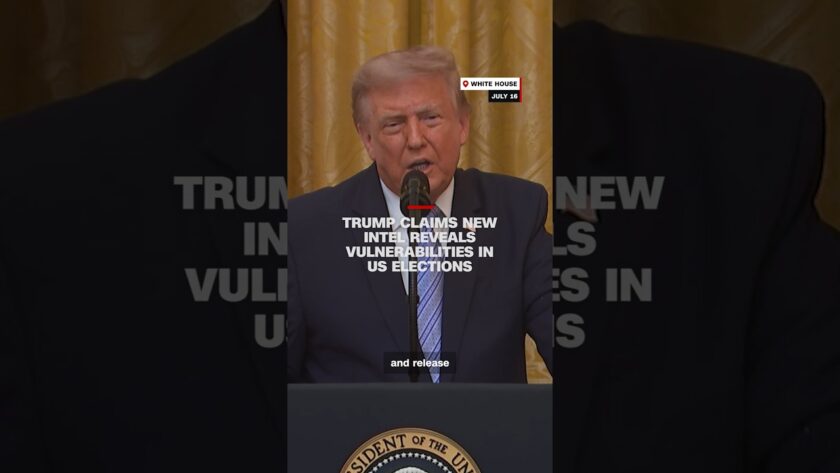
President Donald Trump’s immigration policies have exacerbated the situation. Supporters from various participating nations are feeling the effects of travel bans and visa complications. Notably, Somali referee Omar Artan was turned away at the border, a stark reminder that the consequences of policy decisions extend beyond diplomacy and into the realm of sporting events. These incidents illustrate a troubling intersection between international politics and the world of sports, causing many to question the long-standing belief that in the realm of football, politics should remain at the sidelines.
Security concerns have inevitably arisen in this fraught atmosphere. Organizers have sought to assure fans that their safety is a priority, yet the record expenditure on security measures raises eyebrows. This World Cup is projecting to be the most expensive ever, leading to fears that many fans will find themselves priced out of experiencing the event live. Ticket prices, travel costs, and accommodation expenses are skyrocketing, suggesting that access to this celebration of sport may not be universal. Such economic factors work against the very essence of cultural exchange and community that a World Cup embodies.
Adding another layer of complexity, the environmental footprint of this tournament is anticipated to be monumental. With 48 teams competing across 104 matches in three countries, campaigners are warning that this could be the most polluting World Cup ever. As climate change activism grows louder, the sight of mass gatherings and long-distance travel for events like the World Cup poses significant questions about sustainability in global sports. How can an event meant to bring people together also contribute negatively to the planet? This contradiction challenges the integrity of sports organizations and their commitment to environmental responsibility.
Moreover, the tangible threat of extreme weather looms large. With forecasts predicting unprecedented heat and potential storm delays, the question arises: will players and fans alike endure conditions that compromise their health and safety? The image of fans sweating in the stands or players battling oppressive conditions detracts from the jubilation typically associated with the sport.
Against this backdrop of discontent, the organizers may now be desperately hoping that the world’s attention will shift. They must showcase the exquisite skills and artistry of the athletes on the pitch, hoping that passion for the sport will overshadow the extensive controversies surrounding it. The players, in many ways, are the stars of this spectacle, and their performances could serve to unite fans across nationalities.
As the tournament unfolds, the lens through which we view football is inevitably colored by the matrix of geopolitical strife, economic barriers, and environmental concerns. This World Cup invites us to reflect not just on the competition, but also on the broader implications of hosting such a monumental event in today’s fraught landscape. In doing so, we must ponder: can sports truly transcend politics? Or must we confront the reality that they are inextricably linked? The answers remain unclear, but as the world watches, one thing is certain: this World Cup is about more than just football. It’s about the world we live in.