The GOP’s Unprecedented Rebellion Against Trump
In a surprising turn of events, factions within the Republican Party have begun to publicly challenge former President Donald Trump’s agenda. This internal dissent has emerged prominently over a series of contentious issues that not only reflect fractures within the party but also shed light on Trump’s diminishing influence among key GOP members.
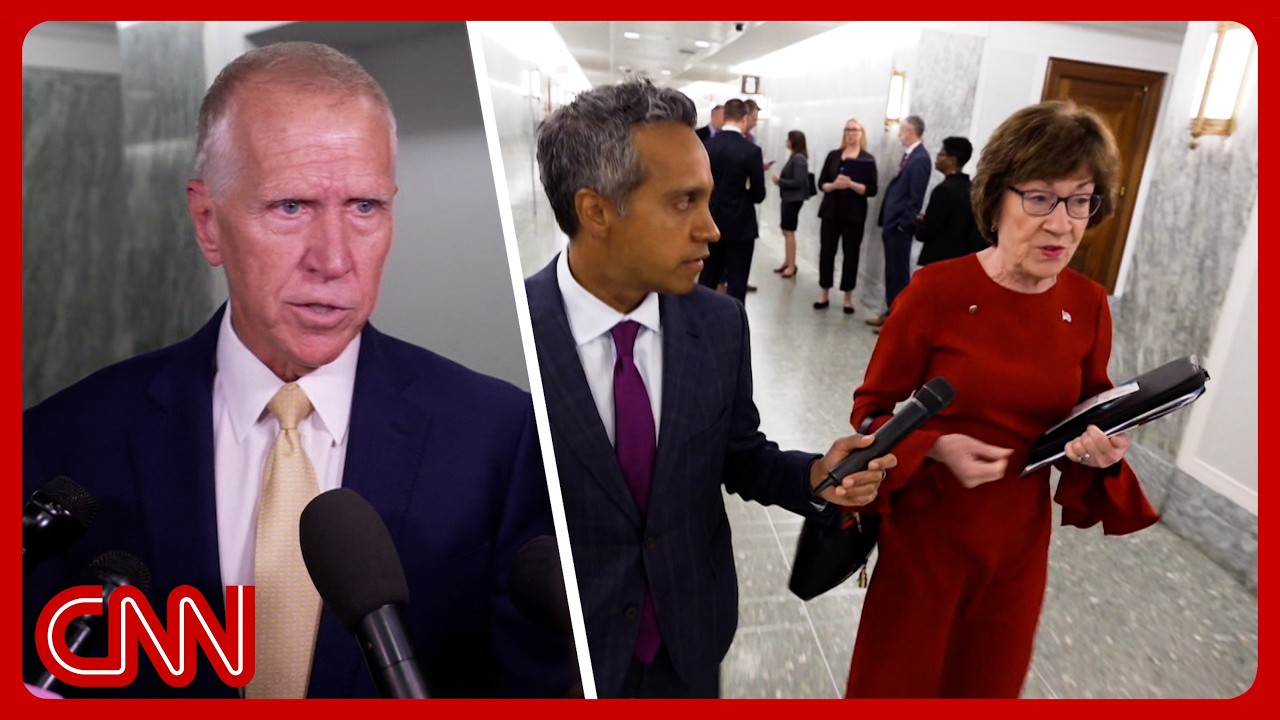
At the center of this upheaval is Trump’s proposed $1.8 billion defense fund. This initiative, designed to support individuals he labels as victims of unjust legal targeting—specifically those connected to the January 6 insurrection—has not garnered the support he anticipated. Many Republican senators have voiced their condemnation, suggesting that such a fund is inappropriate, particularly for those convicted of violent acts against law enforcement. Senator Ron Johnson expressed skepticism, labeling it a “galactic blunder.” This sentiment is echoed in murmurs among GOP members who remain wary of aligning themselves with Trump’s more controversial endorsements and proposals.
The fallout has extended to broader legislative efforts as well. An immigration bill pivotal to Trump’s domestic agenda is currently in limbo. The GOP’s reluctance to proceed with a vote indicates a significant shift; Republican senators are increasingly hesitant to attach themselves to Trump’s agenda when it appears fraught with risk. This has also threatened the inclusion of another contentious project: a billion-dollar appropriation for a ballroom at the White House. Given the current climate, it seems likely that this funding will be stripped from the immigration proposal, illustrating just how toxic Trump’s pet projects have become within his own party.
In addition to the defense fund and the White House ballroom, Trump’s endorsement strategies have come under scrutiny. Significantly, he chose to back Texas Attorney General Ken Paxton over incumbent Senator John Cornyn in a critical Senate primary, raising eyebrows even among staunch supporters. Critics, including conservative commentators, have begun to question Trump’s judgment and its possible ramifications for Republican prospects in future elections.
Polling data further highlights the precarious position Trump finds himself in. A recent Fox News survey indicates that his approval rating among Republican voters has plummeted, with particularly low support from white and rural demographics—historically crucial to his electoral victories. He may boast of extraordinary approval rates abroad, like his claimed 99% favorability in Israel, but such comments have drawn ire domestically, as they seem misaligned with the pressing concerns of American voters.
This schism is not solely about policy; it reflects a deeper existential anxiety within the party about its future. Political commentators stress that as Trump’s influence wavers, especially among independent and moderate voters, Republican leaders may find themselves at a crossroads. They face the daunting task of either continuing to align with Trump’s brand of politics or carving out a new identity that resonates with a broader electorate.
Moreover, as Memorial Day approaches, rising gas prices and the ongoing ramifications of previous military engagements serve as reminders of the costs associated with foreign policy decisions. Many are concerned about Trump’s apparent inclination toward renewed military action, whether in Cuba or elsewhere, further alienating moderate voters.
As internal GOP conversations evolve, some party members argue that distancing from Trump may be crucial for survival in upcoming elections. The party’s long-term viability could hinge upon its ability to reevaluate its alignment with Trump’s more extreme rhetoric and policies while simultaneously navigating the expectations of a divided voter base.
In this critical moment, the stakes are high, and the outcomes are uncertain. Will the GOP collectively recognize the need for a pivot, or will the remnants of Trumpism continue to dominate the narrative? Political observers argue that the turning point may already be upon us, though it may take time for Republicans to fully grasp the implications of this moment. The road ahead is fraught with challenges, but one thing is clear: the dynamics within the Republican Party are shifting, and the future direction remains to be seen. As the party navigates this turbulent landscape, the choices its leaders make will determine not only their immediate electoral prospects but also the ideological foundation upon which the GOP stands.