A Call for Accountability: Survivors Speak Out
In the shadows of high society, a harrowing saga unfolds. At the center of it lies a woman whose life has been irrevocably altered by her experiences with Mohamed Al-Fayed’s business circle. She has bravely stepped forward to share her story of rape and human trafficking, claiming that she was not only exploited by a business associate but also further victimized at the hands of Al-Fayed. Her narrative reflects a deeply troubling reality, one marked by power dynamics that silence the vulnerable.
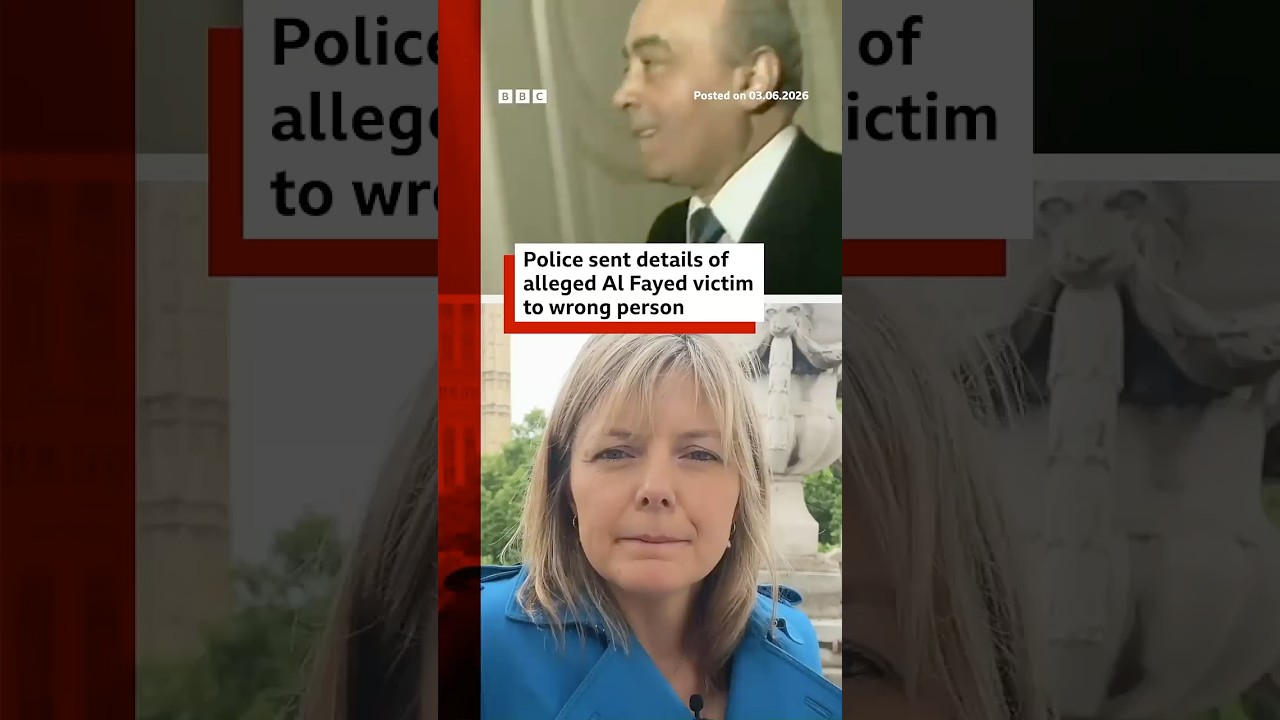
The recent revelations have brought to light a distressing episode of mishandled information. In a baffling turn of events, the Metropolitan Police allegedly shared her personal details with another survivor. This catastrophic breach of confidentiality has compounded her suffering, leaving her feeling exposed and betrayed. "The Metropolitan Police was shambolic and incompetent," she stated, her voice tinged with both anger and sorrow. Such an assertion raises serious questions about the protocols in place for protecting sensitive information, especially when it pertains to vulnerable individuals seeking justice.
The gravity of her experience resonates across a broader narrative of systemic abuse. Victims of exploitation often find themselves trapped in a cycle of silence, hindered not only by fear but by institutional failures that fail to provide the necessary support. This woman’s story is but one thread in a larger tapestry of abuse that has persisted for far too long.
Highlighting her ordeal is not merely about recounting a tragic tale; it is about recognizing the urgency for systemic change. As survivors convene for a pivotal meeting with the Prime Minister, there is a palpable sense of hope mingled with skepticism. This marks the first time government officials will engage directly with individuals who have suffered under the weight of such egregious violations.
The survivors are expecting more than mere platitudes. They seek actionable commitments from the government, as they believe this encounter represents a critical juncture. They hope to convey the profound impact of the abuse they endured and to ensure that their experiences inform future policies aimed at safeguarding other vulnerable individuals. This moment can serve as a catalyst for change; however, it is essential for officials to move beyond rhetoric and offer concrete assurances that lessons will truly be learned.
Collectively, these accounts of abuse expose a distressing truth. Too often, victims are left to navigate an unforgiving landscape, their voices drowned out by the very systems designed to protect them. The meeting with the Prime Minister could be a breakthrough moment, a chance to recalibrate the relationship between survivors and the institutions that have often failed them.
Yet, the stakes could not be higher. Survivors are not merely asking for acknowledgment; they are demanding a reckoning. They seek transformative changes that will ensure their experiences are not relegated to the annals of forgotten history. It is crucial that this meeting is not a mere gesture but serves as the groundwork for comprehensive reforms that address the systemic failures that have allowed such abuses to proliferate unchecked.
As society grapples with these revelations, the collective voice of survivors must not be overlooked. Their stories are stark reminders of the vulnerabilities that exist when power dynamics come into play. True justice requires more than acknowledgment; it demands accountability, transparency, and, above all, an unwavering commitment to change.
While this woman’s narrative is pervasive in its personal tragedy, it is also emblematic of a larger societal failure that cannot be ignored. The responses of those in power in the coming weeks and months will determine whether this moment of reckoning translates into lasting change. A true commitment to safeguarding against such tragedies must prioritize the voices of survivors, ensuring that their experiences fuel the reforms needed to prevent further injustices.