GOP Divisions Emerge Over Controversial $1.7 Billion Fund
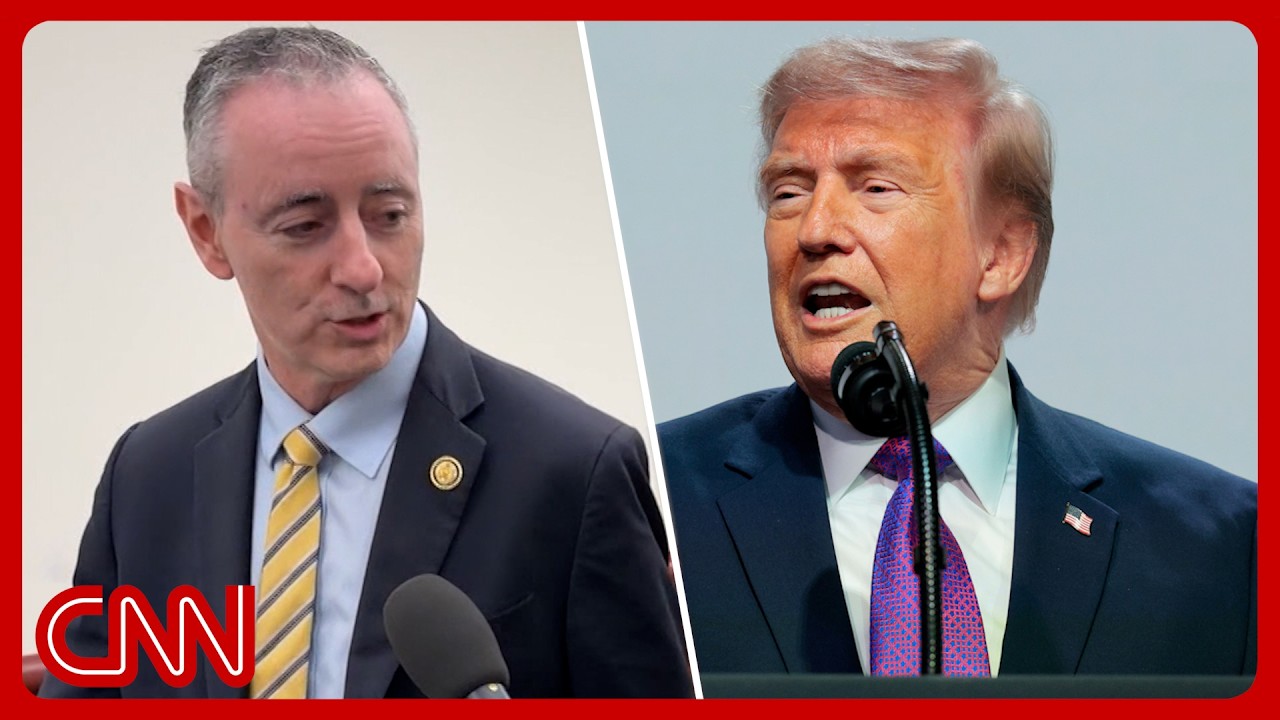
In recent discussions, a $1.7 billion fund proposed to address issues related to perceived government overreach has sparked a significant backlash among certain Republican lawmakers. Critics, led by figures such as Congressman Brian Fitzpatrick of Pennsylvania, express deep concern over what they deem to be a misuse of taxpayer dollars. The essence of their opposition lies in the fund’s alleged implications: that it might inadvertently reward individuals involved in the January 6 insurrection.
Fitzpatrick articulated his perspective succinctly: “It sends a signal that breaching the Capitol or assaulting police officers may lead to compensation.” Such statements reflect a broader apprehension that this fund may undermine public trust in governance and accountability, especially in a landscape where over half of American families are struggling to make ends meet.
The crux of this controversy revolves around the concept of appropriations. Fitzpatrick highlighted that every dollar managed by the executive branch is contingent upon Congress’s approval. Therefore, he is demanding transparency regarding the source and intended use of this funding. According to him, a series of inquiries sent to the acting attorney general, Todd Blanch, poses essential questions that must be answered to evaluate the fund’s legitimacy. Fitzpatrick made it clear: “If we do not get answers, there will be consequences.”
Many other lawmakers in both parties are joining the chorus of dissent. As the implications of spending such a significant sum come into scrutiny, the question becomes whether sufficient backing exists within the GOP to halt the fund. Fitzpatrick has noted that this issue resonated with his constituents, whose everyday struggles render this fund abhorrent in their eyes.
Senator Bill Cassidy has also voiced criticism, reinforcing the viewpoint that the administration should prioritize financially responsible initiatives over controversial expenditures. This growing resistance reflects a seismic shift within the GOP—a transformation catalyzed by a desire to align party values with voter expectations.
Amidst this backdrop, Fitzpatrick is fostering bipartisan dialogue in pursuit of legal remedies. He suggests that his colleagues, regardless of party affiliation, might recognize the disproportionate nature of this funding solution. Several conversations are underway with other representatives who share reservations about the fund’s potential ramifications.
The GOP’s internal dynamics are increasingly complex. Remaining staunchly aligned with former President Trump appears to be one factor influencing this tension. With several lawmakers having faced challenges in their party primaries due to divergences in allegiance to Trump, many find themselves walking a fine line between party loyalty and constituent interests. Fitzpatrick’s civil approach to dissent indicates an emerging faction within the party that may prioritize long-term governance principles over short-term political gains.
Looking forward, the pressing challenge confronting opposition lawmakers is the utilization of their legislative authority. Fitzpatrick underscored the necessity of a united front within Congress. “Budgets are a reflection of our priorities,” he stated, emphasizing that effective governance requires making careful choices about how taxpayer funds are allocated.
In an astute political maneuver, Congressman Jamie Raskin proposes the "No Taxpayer Funded Settlement Slush Funds Act of 2026," aiming to curtail the proposed fund before it gains traction. His intent is to safeguard taxpayer interests, reminding Congress that discussions surrounding government expenditure must center on accountability and transparency.
The conundrum comes full circle, encapsulating a deeper struggle within the GOP. The once-steadfast support for Trump appears to be wavering under the weight of fiscal responsibility and growing public dissent. This presents a unique opportunity for lawmakers like Fitzpatrick to pivot the party’s narrative toward one that resonates more profoundly with mainstream American values.
As debates unfold, one thing remains certain: the conversations surrounding this $1.7 billion fund serve as a litmus test not only for fiscal priorities but also for the very identity of the Republican Party as it navigates a landscape marked by division and uncertainty.