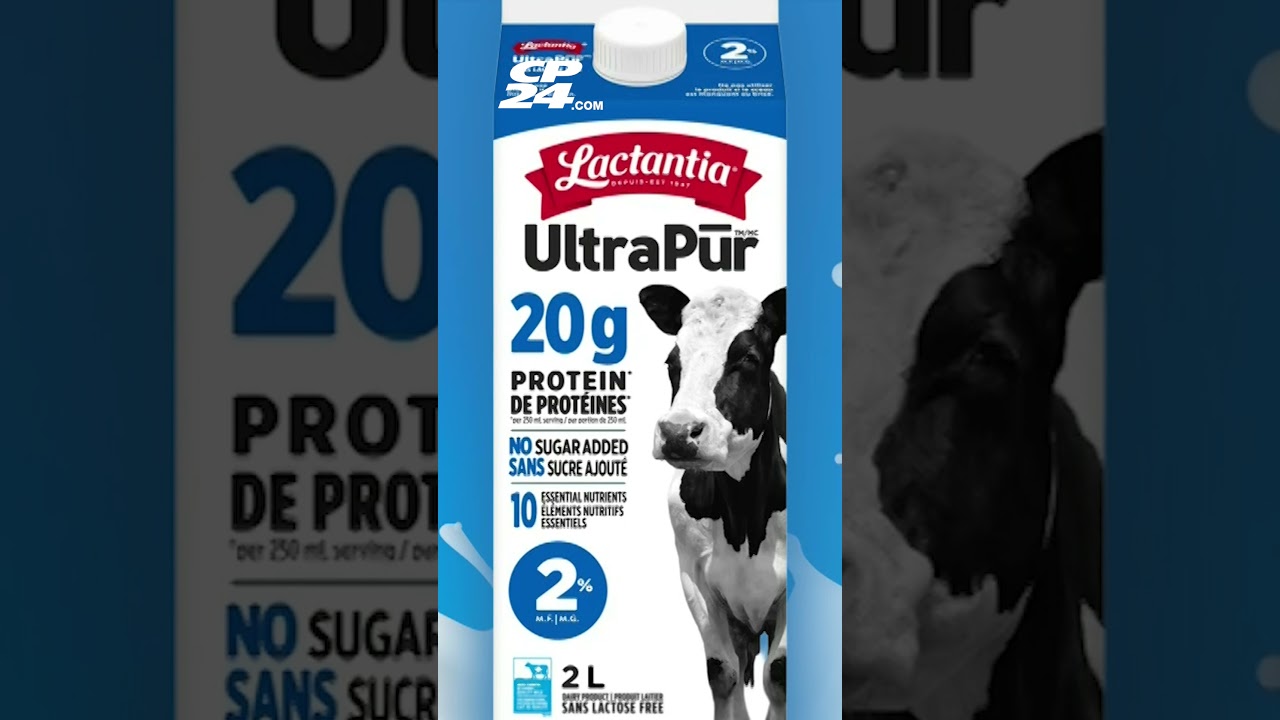
Lactantia Issues Recall for Lactose-Free Milk Due to Excessive Vitamin Levels
In an important consumer safety announcement, Lactantia, a prominent Canadian dairy brand, has initiated a recall of a specific batch of its milk products. This decision stems from the discovery that the milk contains elevated levels of vitamin A and vitamin D, surpassing the recommended daily intake guidelines. This recall affects the Lactantia Ultra Pure 2% lactose-free milk, packaged in 2-liter bags with an expiration date set for June 22nd.
The issue was first brought to light when quality control measures flagged the excess vitamin concentrations during routine testing. Given the significance of both vitamins in maintaining health, this development has raised concern among health officials and consumers alike. Vitamin A plays a crucial role in vision, immune function, and cellular communication, while vitamin D is essential for calcium absorption and bone health. However, excessive intake of these vitamins can lead to adverse health effects, particularly in vulnerable populations such as children and individuals with pre-existing health conditions.
For consumers, the implications of this recall are clear. Anyone who has purchased Lactantia Ultra Pure 2% lactose-free milk in the specified packaging is urged to check their products against the expiration date. If the milk is found to be part of the recalled batch, it is recommended that consumers refrain from using it. Affected customers should return the product to the store where it was purchased for a full refund. Lactantia insists on prioritizing customer safety and well-being, and the company is fully committed to addressing these concerns swiftly and effectively.
The recall highlights the importance of strict quality control in food production. In an era where health trends often emphasize nutrient-rich diets, it is easy to overlook the balance necessary for optimal health. While vitamins are vital, the adage "more is always better" does not universally apply. Overconsumption can lead to hypervitaminosis A and D, conditions often characterized by a range of symptoms from nausea and headaches to more serious complications like liver damage.
Beyond its immediate impact on consumers, this incident raises larger questions about food safety regulations and corporate responsibility. Food manufacturers have a duty to adhere to both nutritional guidelines and health standards. It is not merely an obligation; it is a pledge to consumers who rely on these products for their dietary needs. Failures in this regard can erode public trust, emphasizing the need for transparency and accountability throughout the supply chain.
In response to the recall, Lactantia has begun implementing additional measures to ensure such a situation does not recur. Enhanced quality assurance protocols are being introduced, alongside closer scrutiny of nutrient levels during production and packaging. The company recognizes that trust is key in the food industry, and maintaining a solid reputation is an ongoing challenge.
For health-conscious consumers, this news serves as a reminder to regularly review the nutritional information on food products. Vigilance in checking labels can prevent potential health risks and ensure compliance with dietary recommendations. Knowledge about what we consume remains the first line of defense against nutritional imbalances and deficiencies.
As the investigation into the source of the excess vitamins continues, the Canadian Food Inspection Agency (CFIA) is closely monitoring the situation. They provide consumer alerts and guidance on food recalls, emphasizing the importance of staying informed in an age where food safety is paramount.
In conclusion, while this recall may appear as a set-back for Lactantia, it also serves as an opportunity for the company to reassess its practices and reinforce its commitment to consumer safety. Ultimately, it reiterates a fundamental truth in the food industry: safety and quality must always come first. Consumers should feel empowered to demand such standards from the products they purchase, underscoring a collective responsibility towards healthier eating and informed choices.