Flashing Warning Signs for the U.S. Economy
Recent economic indicators have raised alarms regarding the health of the U.S. economy, with consumer sentiment hitting an unprecedented low. As inflation concerns mount, coupled with heightened geopolitical tensions, particularly Trump’s escalating conflict with Iran, American perceptions of financial stability have soured dramatically. Current sentiment reflects a perspective not witnessed since 1952—an era marked by its own share of economic challenges.
At the center of this economic maelstrom is Kevin Worsh, the newly appointed Federal Reserve Chairman, whose ascent follows Trump’s desire for a more amenable approach to interest rates. Despite Trump insisting that Worsh will operate independently, skepticism looms large, especially given Trump’s public remarks about his predecessor, Jay Powell, who faced severe criticism from the former president for not bending to his will.
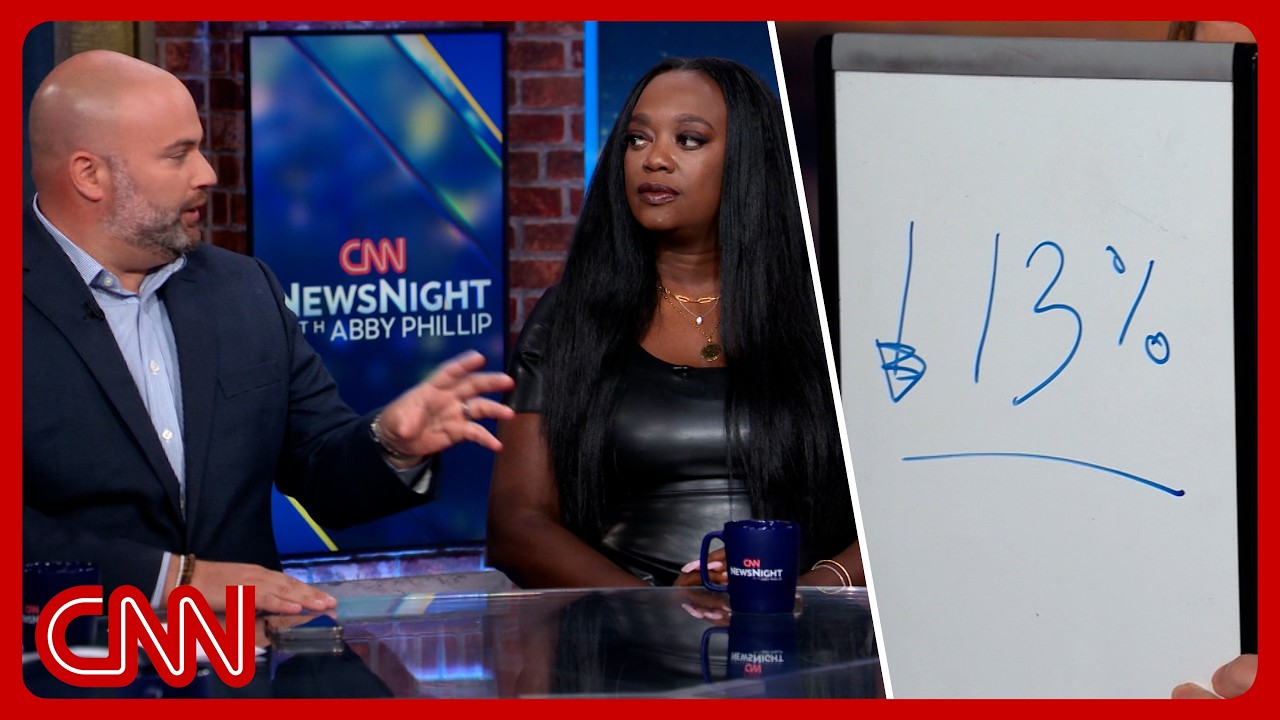
Consumer sentiment must be viewed in the context of reality versus perception. Recent surveys depict a grim landscape, indicating a sharp drop in individuals’ perceptions of their personal finances—a staggering 13% decrease in just one month. Rising prices, especially in oil and gas, have become a significant inflationary pressure. Crude oil prices have consistently exceeded $100 per barrel, leading to heightened costs for everyday consumers. This marks a striking contrast to the performance of the stock market, particularly tech stocks, which have continued to thrive in what is known as a K-shaped recovery—where the well-to-do experience a financial windfall while lower-income households face stagnation.
Historically, markets and economies move in sync; however, we currently witness a disjunction. The stock market continues its ascent while consumer experiences deteriorate, highlighting the uneven distribution of economic recovery. Analysts posit that such a divergence is unsustainable. The question arises: what corrective measure will ultimately be taken?
Worsh’s appointment arrives at a tumultuous time. He faces the dual challenge of addressing persistent inflation while potentially stifling growth. The broader implications for American businesses and families are significant. With inflation pressures acute, any spike in interest rates would likely exacerbate economic anxiety and further suppress consumer consumption. Recent reports indicate that every $10 increase in oil prices equates to a 1% reduction in GDP, shedding light on how intertwined energy costs are with overall economic performance.
As President Trump attempts to portray a vibrant economy where personal savings have increased, a contrasting narrative is emerging. Polls reveal a troubling statistic: over half of Americans feel worse off financially than they did two years ago. Despite assertions of an economic renaissance, a striking 71% of registered voters disapprove of Trump’s handling of economic issues.
The instability in the international arena, particularly the looming prospect of renewed military action in Iran, further complicates the economic landscape, especially for American households already grappling with rising costs. Anxiety converges from multiple fronts, including high gas prices, soaring healthcare expenses, and stagnant wage growth. These factors coalesce into a pervasive sense of insecurity, overshadowing claims of economic success.
Moreover, the current situation challenges political leadership. Voters across the spectrum are beginning to demand accountability based on tangible economic realities. This discontent signals that mere rhetoric may no longer suffice to assure the electorate of their economic stability.
In this complex economic environment, Worsh, alongside policymakers, must navigate the precarious balance between controlling inflation and fostering growth. Americans are increasingly attuned to shifts in their financial situations and expectations—every expense seen at the gas pump or grocery store serves as a reminder of their economic realities.
In summary, the challenges facing the U.S. economy are profound. From consumer sentiment plummeting to pressures of inflation and geopolitical uncertainties, navigating this landscape will require informed and decisive leadership. As history has shown, economies cannot thrive on perception alone; substantive action and accountability are necessary for recovery. The stakes are high, and the path ahead remains uncertain.