Title: The Geopolitical Tensions Surrounding Iran: A Fragile Dialogue Amid Hostility
Recent developments in Iran have showcased a complex interplay between military action and diplomatic efforts. President Trump has not wavered in his assertion that Iran is eager to negotiate a deal to conclude ongoing hostilities. His repeated threats to ramp up military action in the region, particularly if Iran does not reopen the vital Strait of Hormuz, emphasize the precariousness of the situation.
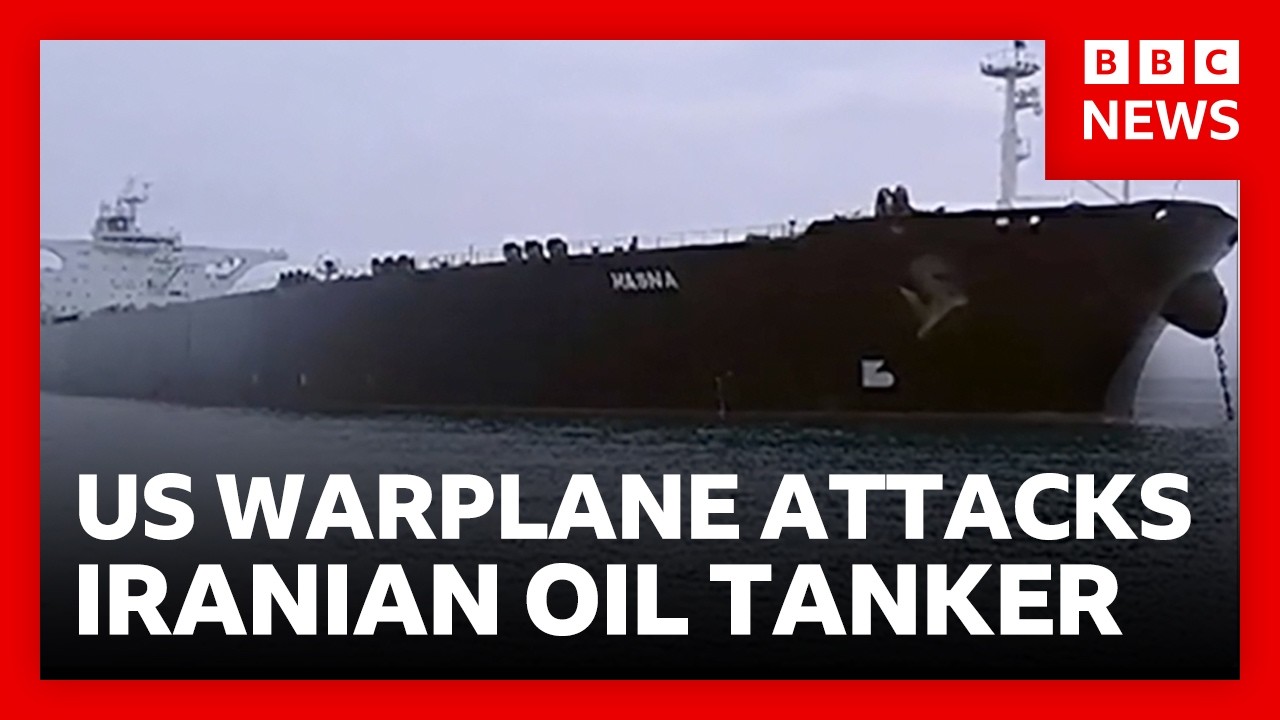
As tensions simmer, the U.S. military has taken a hardline stance. An Iranian-flagged oil tanker in the Gulf of Oman was disabled by American fighter jets, an act that underscores the ongoing blockade policy enforced by the United States. Central Command indicated that the vessel was attempting to bypass the U.S.-imposed restrictions, a deepening testament to the conflict’s complexities.
Additionally, Israeli military operations have resumed in Beirut after a brief period of relative calm. The air strikes, which target locations associated with Hezbollah, reflect deepening frustrations with the group’s actions. In this volatile landscape, it becomes increasingly difficult to envision a lasting ceasefire.
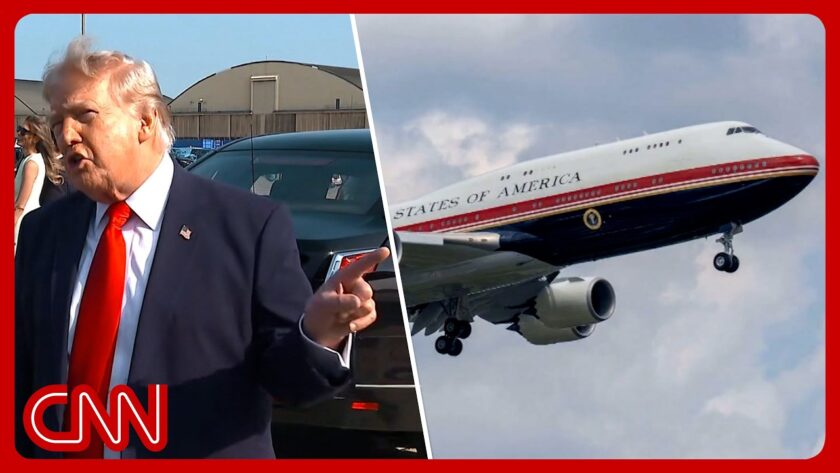
During a recent event at the White House honoring military mothers, President Trump expressed optimism about achieving a diplomatic resolution. He claimed, “We’re dealing with people that want to make a deal very much,” and projected confidence in the discussions taking place. Surrounded by mixed martial arts champions, his rallying cry encompassed a prevailing sense of control and favorable negotiations.
Despite these confident proclamations, tangible outcomes remain elusive. The short-lived strategy to deploy U.S. military resources to ensure safe passage for international tankers through the Strait of Hormuz has been abandoned. The evolving dialogue surrounding a potential agreement has not yet led to any observable changes on the ground. The Iranian foreign ministry continues to assess the latest U.S. proposals, with officials characterizing them as more of an “American wish list” than anything substantive.
Compounding these issues, Iran’s foreign minister was seen in Beijing, where Chinese officials emphasized the necessity of restoring peace and stability in the region. The complex dynamics of international relations are apparent, as countries like China call for collaborative efforts to end hostilities, all while regional actors like Israel intensify military operations.
The recent Israeli airstrikes have sparked renewed discussions regarding the precarious nature of the ceasefire that supposedly exists in Lebanon. Israel’s targeted actions against a Hezbollah commander have ignited debate over the legitimacy of its military strategy. Critics argue that Israel’s tactics mirror those employed in Gaza, possibly leading to civilian casualties and further escalation. Over 120 lives have been lost in southern Lebanon within the past week alone, muddying the waters of what was intended as a ceasefire.
International editor Jeremy Bowen suggests this situation is characterized by a series of confusing oscillations. He remarks on the challenges President Trump faces in achieving a deal that aligns with his predecessors’ agreements. The need for a deal framed as a victory creates significant barriers to reaching a consensus.
Adding to the complexity, Bowen highlights the entrenched nationalistic sentiments within Iran. The ethos of resistance prevalent in the Islamic Republic complicates any negotiation process. President Trump appears to misjudge these dynamics, making the path toward a diplomatic resolution increasingly fraught with difficulty.
As military actions continue in Lebanon and Iran weighs its options regarding U.S. proposals, it becomes clear that this geopolitical conflict extends beyond regional borders. Economic ramifications ripple across the globe, showcasing the interconnected nature of modern conflict.
The crisis involving Iran is emblematic of larger geopolitical rivalries that demand careful navigation. Diplomacy and military strategy are often at odds, creating an environment fraught with tension. As leaders engage in dialogue, the stakes are higher than ever, necessitating a sensitive approach to avert further escalation. In a world governed by complex international relations, the hope for peace must grapple with the realities of military engagements and entrenched national interests.