Potential Breakthrough: U.S.-Iran Relations
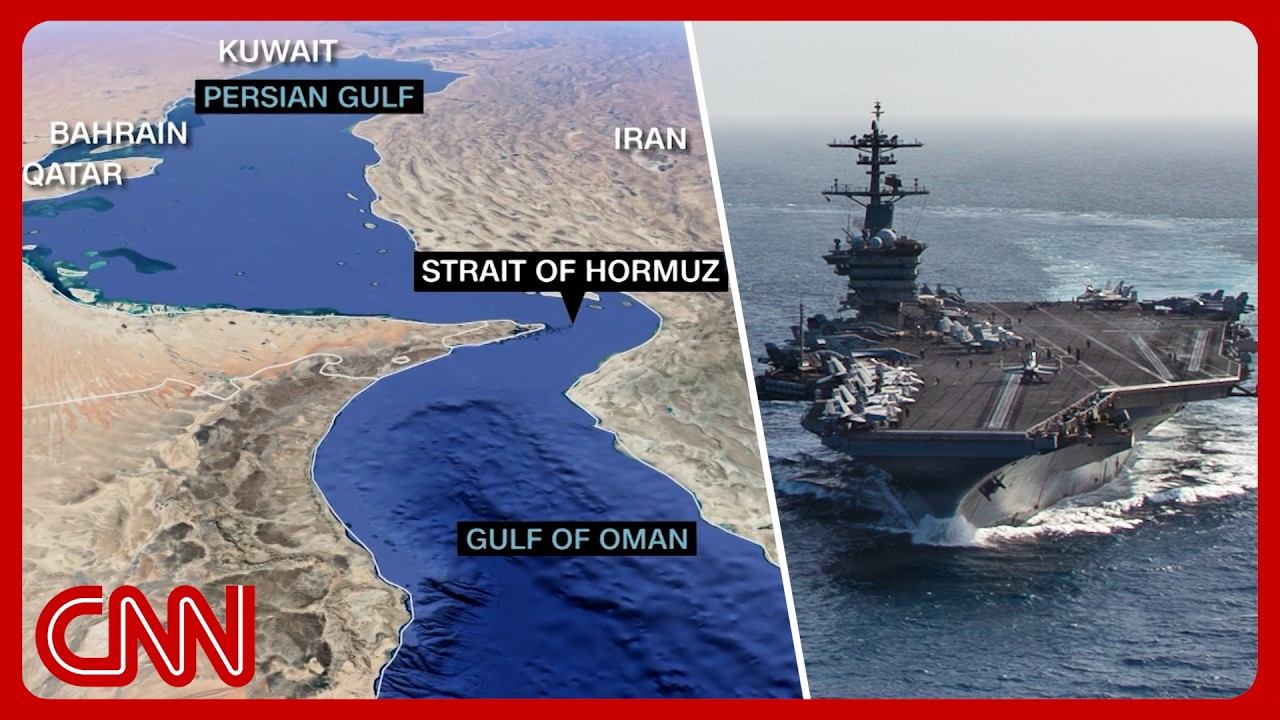
Recent developments reported by Iranian state television indicate a possible thaw in U.S.-Iran relations, outlining a draft memorandum of understanding (MoU) aimed at reaching a ceasefire agreement. Iranian sources claim that under this proposed framework, the United States would lift its blockade of Iranian ports. In exchange, Iran would restore the flow of commercial shipping through the vital Strait of Hormuz to levels seen before the current conflict.
CNN’s Oren Liebermann reports that while the memo offers intriguing insights, it has yet to be confirmed by U.S. officials. This lack of validation underscores the nascent stage of the negotiations. The Iranian broadcast itself emphasized that the document is still a work in progress, hinting that additional changes may be forthcoming.
Key Elements of the Proposed Agreement
The draft letter reportedly stipulates that the U.S. would withdraw military forces from the vicinity of Iran. In return, Iran has proposed reopening the Strait of Hormuz and pledging to achieve pre-war shipping levels within a month. This strategic waterway is critical, given that it serves as a conduit for approximately one-fifth of the world’s crude oil shipments.
One noteworthy aspect is that the proposal assigns Iran and Oman the responsibility for monitoring maritime traffic in the Strait. This arrangement may raise red flags for U.S. policymakers. Granting Iran a degree of control could be perceived as compromising American interests in a region where it has historically sought to maintain influence.
Given that discussions are ongoing, concrete details remain elusive. Interpretations of phrases like "vicinity of Iran" vary. While Iran demands a full withdrawal from the broader Middle East, it seems unlikely that the U.S. would concede to such an expansive request. The focus instead may shift to how both parties define territorial influences in this critically contested area.
The Role of Intermediaries and Broader Implications
Pakistan has stepped in as a mediator, facilitating discussions not just between the U.S. and Iran but among various stakeholders. According to reports, figures such as U.S. Vice President J.D. Vance and envoys like Jared Kushner have played roles in these negotiations.
The dialogue is crucial, especially as the global economy faces rising energy prices. The challenge of hunger and food security looms large, fueling a sense of urgency in resolving access issues at the Strait of Hormuz.
The focus on maritime access—while seemingly secondary to the nuclear issue—emanates from a significant concern. Historical diplomatic complexities dictate that reaching a nuclear agreement might take considerably longer. However, maritime traffic restrictions risk immediate geopolitical instability and humanitarian crises.
The Future of Nuclear Negotiations and Trust
While this MoU could lead to a temporary easing of hostilities, the underlying issue of Iran’s nuclear capabilities remains unresolved. The memorandum does not provide solutions to the contentious debate over Iran’s nuclear program. Both nations will need to agree on a framework to manage these larger discussions in the coming months or risk reverting to confrontational policies.
A critical point of divergence arises when considering “hostile nations.” Iran has indicated that it would restrict access to vessels connected with the U.S. and Israel, signaling a continued adherence to regional rivalries. However, countries like Oman and certain Gulf states may navigate their relationships in a more conciliatory manner, given the broader economic implications of a stable Strait of Hormuz.
Conclusion: A Long Road Ahead
The discussions unfolding around the MoU highlight both the potential for diplomatic breakthroughs and the intricacies of entrenched animosities. While the draft represents a chance for stabilizing a volatile situation, it does not erase the decades of mistrust that have characterized U.S.-Iran relations.
As the world watches, the next steps taken by both nations will likely define not only their bilateral relations but also the broader geopolitical landscape. Only time will reveal if this tentative agreement can pave the way for more substantive dialogues on pressing issues, including Iran’s nuclear ambitions. What remains clear is that both sides recognize the urgent need to prioritize immediate challenges while deferring more contentious issues for later discussions.