Navigating Tensions in the Strait of Hormuz: The Impact of the US Blockade
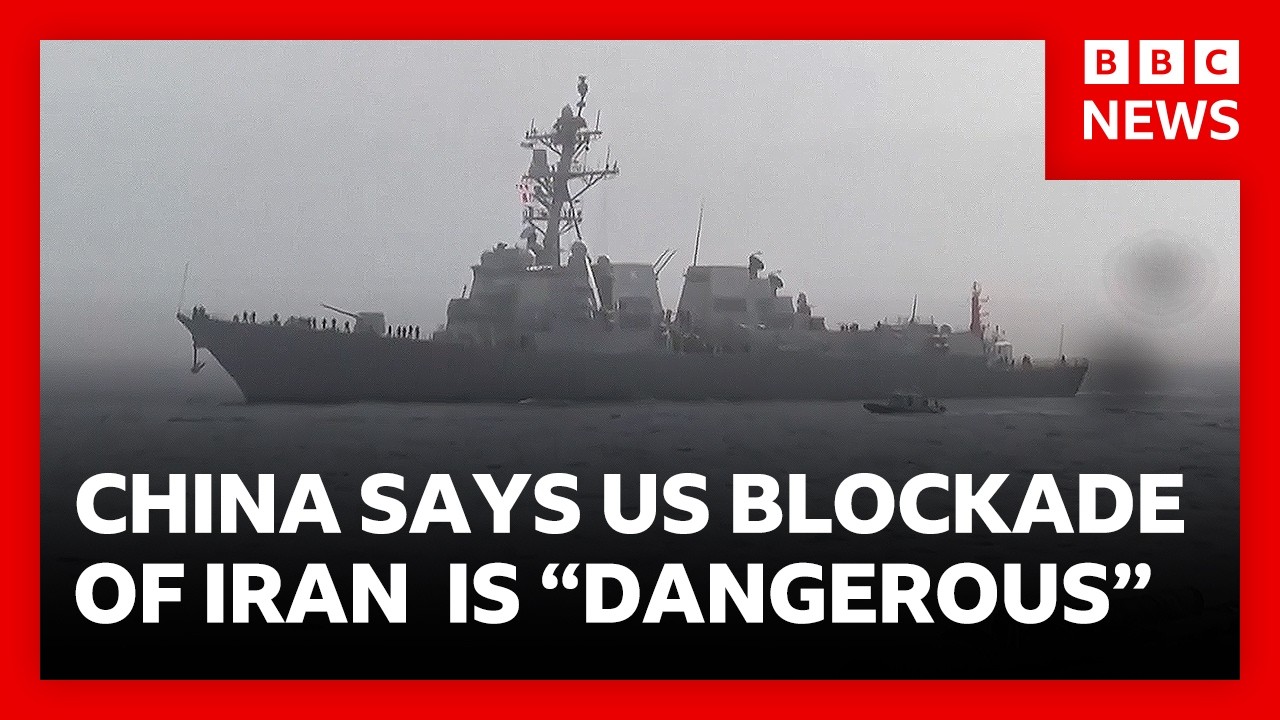
The Strait of Hormuz, a crucial maritime corridor connecting the Persian Gulf to the Arabian Sea, has become the focal point of escalating geopolitical tensions. Following unsuccessful peace talks with Iran over the weekend, the United States initiated a blockade on Monday to exert pressure on Tehran. US Central Command has reported that, during the first 24 hours of this blockade, no Iranian ships were able to breach the cordon. This blockade is enforced by US Navy warships stationed offshore but far enough to maintain a safe distance from Iran’s coastline.
The blockade primarily aims to restrict Iran’s sea trade, particularly its lucrative oil exports. At this moment, tanker traffic has markedly decreased, with many vessels rendered inactive, indicating a significant slowdown in trade flow. According to available data, six merchant ships redirected their paths, complying with the blockade directives. This development has prompted concerns about the broader implications for regional stability and international trade.
China and Russia, both allies of Iran, have expressed their discontent with the US’s unilateral actions. Shortly after the blockade was announced, China’s foreign minister condemned the measure, arguing that it would exacerbate existing confrontations and undermine the tenuous peace in the region. With China being a major consumer of Iranian oil, its involvement complicates the situation further. Some analysts suggest that if the blockade persists, China may respond assertively, potentially leading to dangerous miscalculations between military forces in the region.
Despite these high-stakes tensions, optimism for renewed dialogue persists, particularly from US President Donald Trump. In a recent statement, Trump suggested that talks with Iran might be revived within days, citing Iran’s desire to negotiate. However, skepticism abounds regarding the likelihood of fruitful discussions given the enduring sticking points that previously halted negotiations. Central to these disputes are three significant issues: the future of Iran’s nuclear program, the reopening of the Strait of Hormuz, and the actions of Iran regarding Hezbollah in Lebanon.
The fate of Iran’s nuclear ambitions remains a contentious topic. The US seeks the complete abandonment of Iran’s nuclear program and demands the surrender of its enriched uranium stockpile. Conversely, Iran has insisted that discussions must include the cessation of Israeli attacks on Lebanese territory—an issue it views as existentially connected to its national security.
In Washington, initial rounds of dialogue between representatives of Israel and Lebanon have taken place for the first time in decades. These meetings yielded somewhat positive outcomes, with both parties expressing a mutual desire to expel Iran-backed Hezbollah’s influence from Lebanon. Yet, despite these discussions, military actions persisted, with Israeli forces continuing their offensives against Lebanon. This disparity illustrates the challenges facing any potential ceasefire and underscores the complexity of regional dynamics.
The unfolding situation in the Strait of Hormuz bears critical implications not only for the countries directly involved but also for global economic stability. Any disruption in the oil supply, particularly from this strategic maritime chokepoint, can lead to fluctuating energy prices and extended economic repercussions worldwide. The effective enforcement of the US blockade will ultimately hinge on how the situation unfolds with other global players, particularly China and Russia, and whether they choose to challenge the US’s maritime strategy.
As the US continues to assert pressure through its naval presence, the world watches closely, aware of the delicate balance between confrontation and diplomacy. Both the potential for renewed talks and the likelihood of further escalation linger in the air. The recent developments signify a critical juncture in US-Iran relations, where each decision could have far-reaching consequences, not just regionally but on a global scale. The coming days will be pivotal for understanding how this complex web of interests will unravel.