Rising Tensions: The Complex Dynamics of U.S.-Iran Relations
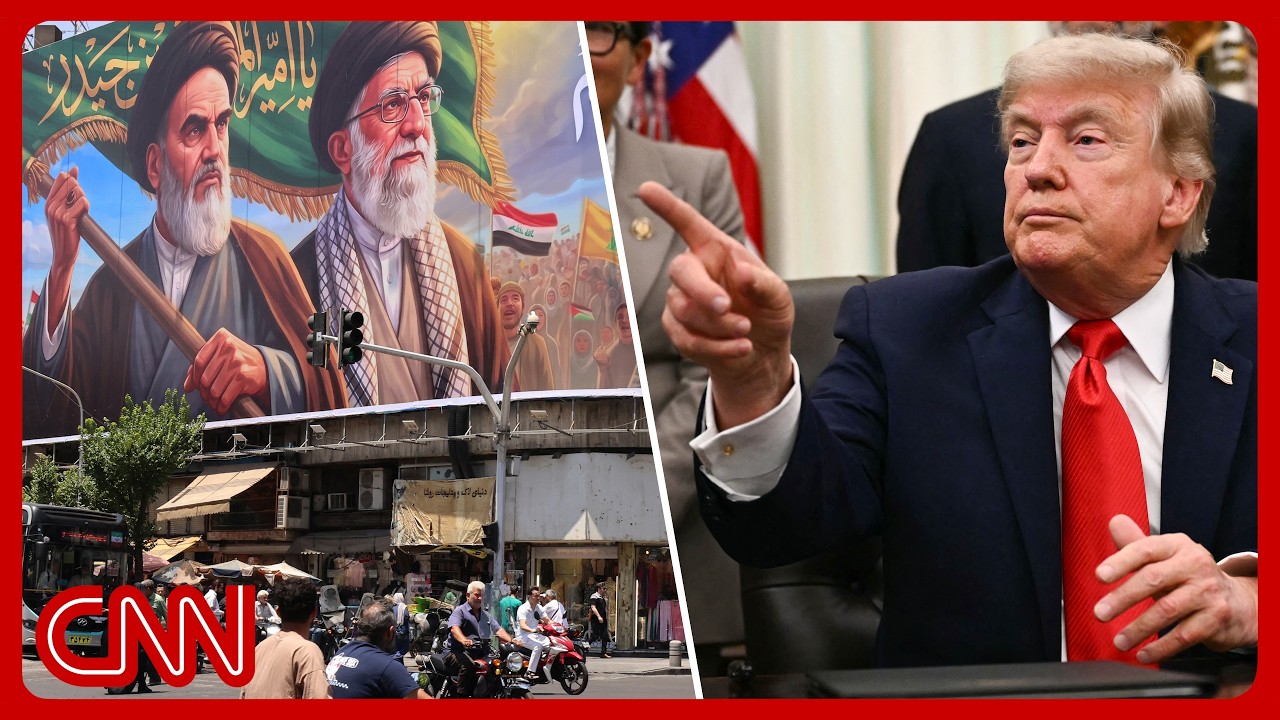
Recent developments in U.S.-Iranian relations have illuminated the fragile nature of diplomacy in the region. Former President Donald Trump, who had originally characterized a potential agreement with Iran as a significant breakthrough, has now taken a starkly different tone. His recent remarks on social media, where he labeled Tehran as "dishonorable," signal a shift from optimism to confrontation, highlighting the complexities associated with negotiating peace in tumultuous international waters.
The backdrop of this discord stems from a memorandum of understanding that purported to outline a 60-day ceasefire, which would encompass not only Iran but also neighboring Lebanon. This potential agreement reportedly included key provisions aimed at normalizing maritime traffic through the Strait of Hormuz and easing various economic sanctions imposed on Iran. Such measures were heralded as steps toward mitigating long-standing tensions and addressing critical nuclear concerns. However, the Iranian portrayal of these terms diverged significantly from the U.S. narrative, prompting Trump’s ire.
Iranian state media purported that their version of the deal included controversial stipulations such as the release of $24 billion in frozen assets and a refusal to relinquish control over the strategically vital Strait of Hormuz. This pronounced disparity in the interpretations of the agreement has fueled doubts regarding the sincerity of both parties and raised questions about their commitment to a peaceful resolution.
Kristen Holmes from CNN shed light on the communication breakdown that has plagued this negotiation process. She noted that each side has crafted its narrative to cater to its domestic audience, with both emphasizing their respective gains while downplaying concessions. This pattern of behavior is not new; historically, such instances have led to misunderstandings and, ultimately, failed deals.
With the U.S. officials remaining cautiously optimistic about the situation, contrasting narratives from the parties involved seem to hint at an impasse. Political analyst Barak Ravid observed that the Iranian delegation, equipped with mediators from Qatar and Pakistan, had indicated readiness to finalize the agreement, prompting preparations for a possible signing ceremony. Nevertheless, seemingly routine complexities allowed the negotiation process to oscillate between optimism and skepticism.
As tensions mount, the specter of war looms heavily over the region. While Trump has hinted at military action—including threats aimed at Iran’s strategic assets—predictions of an impending all-out conflict remain fraught with uncertainty. Ravid suggests that, for now, all parties appear to favor continued dialogue over escalation. The Israeli Prime Minister, Benjamin Netanyahu, learned of Trump’s proposed deal only through social media, further complicating the already tenuous U.S.-Israel alliance. This lapse in communication underscores the importance of robust diplomatic channels in navigating such precarious negotiations.
Given the existing geopolitical landscape, the intricacies of the U.S.-Iran negotiations serve as a microcosm of broader international relations. Each side wrestles with internal pressures and external expectations, leading to a complex dance of diplomacy that often stumbles over competing narratives. The distinction between perceived concessions and actual agreements can create a fertile ground for misinterpretation and conflict.
Ultimately, the path toward resolution remains fraught with danger and uncertainty. As negotiators attempt to carve a way forward, the stakes are high—not only for the involved nations but also for regional stability. Whether this latest round of negotiations will yield a substantive agreement remains to be seen. In a world where the line between peace and conflict is razor-thin, every statement and action can drastically alter the course of events.
As developments unfold, the international community watches intently, hopeful for restraint and dialogue but conscious that the path to peace is rarely straightforward. In this atmosphere of heightened tensions, the need for open communication and genuine commitment to peace has never been more critical.