Navigating Healthcare’s Complexities: The Case of Lucinda Ritchie
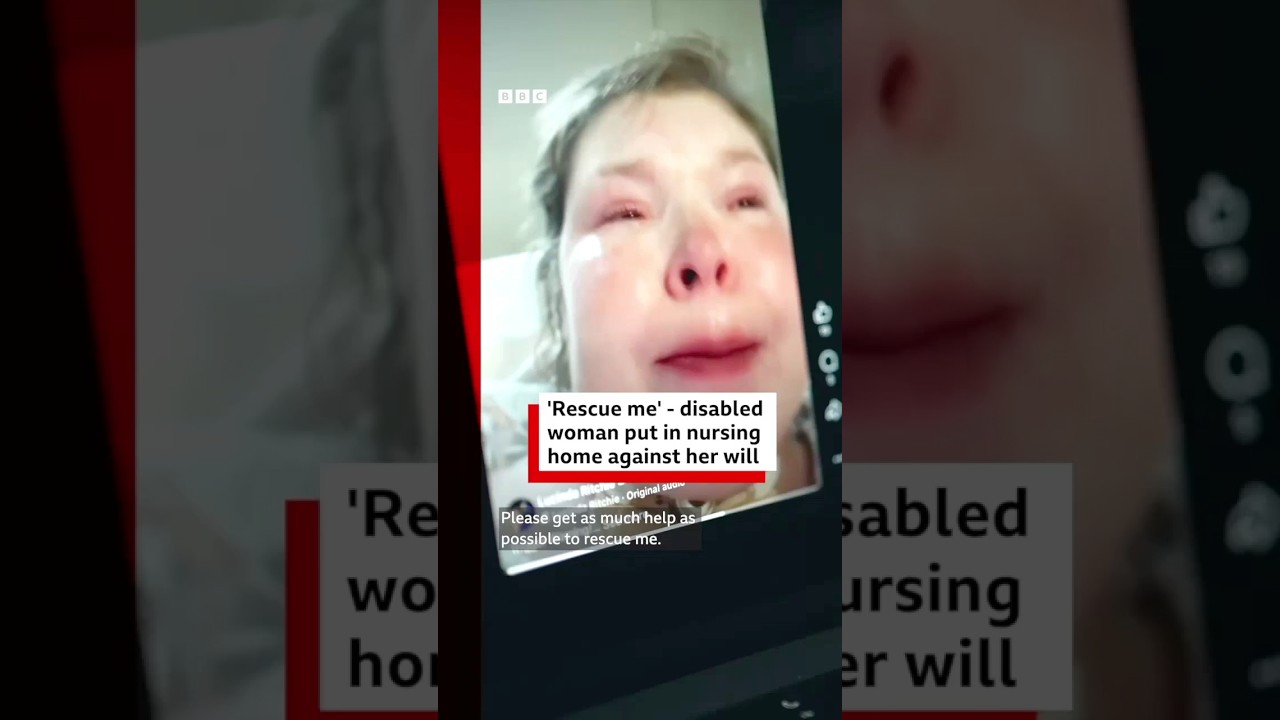
Earlier this year, Lucinda Ritchie found herself in a harrowing situation, one that raises profound questions about patient autonomy and the responsibilities of healthcare providers. Against her will, she was moved from a hospital to a nursing home, a transition that has profoundly affected her well-being and independence. Her predicament encapsulates broader issues surrounding health care policies, patient rights, and the sometimes disjointed nature of service delivery in the NHS.
Lucinda’s journey took a troubling turn when she was involuntarily transferred to a nursing home. On the day of her relocation, she sensed that something was amiss. In her view, the move was neither justified nor necessary. She reported that her powered wheelchair was turned off, leaving her transport dependent on manual assistance, a situation that not only belittled her capabilities but also stripped her of her dignity. When I reached out to the NHS for clarity on Lucinda’s situation, they were noncommittal. The question posed was simple yet crucial: If Lucinda is an adult with mental capacity, was moving her against her will unlawful? Unfortunately, the NHS has not provided a definitive answer.
The narrative shifts as we learn that the Integrated Care Board, responsible for organizing Lucinda’s transfer, initially cited safety as the primary concern for her relocation. However, the board has since indicated that it was the hospital that ultimately decided to move her, further complicating the situation. This lack of accountability raises an unsettling question: In a system designed to prioritize patient welfare, where is the line drawn between safety and autonomy?
The consequences of this decision have been dire. Just two days after her relocation, Lucinda found herself back in the hospital. As of now, three months later, she remains there, even though medical professionals agree that she no longer needs hospital care. This prolonged stay feels like "complete torture" to Lucinda, highlighting a significant disconnect between patient needs and the healthcare system’s operational realities.
At the heart of Lucinda’s struggle is her desire for independence. With the proper support, she asserts that she can live a fulfilling life. Previously, she was actively studying for a master’s degree, engaged with her passions, including gaming and classic cars. However, the necessary 24-hour support she requires to return home remains unorganized and unfunded, casting a shadow over her aspirations for a return to normalcy.
NHS policy claims to place an emphasis on prioritizing what matters most to patients. NHS Sussex and the Surrey Integrated Care Board have expressed their regret regarding Lucinda’s ongoing concerns, stressing their commitment to ensuring plans are in place for her eventual discharge. But expressions of regret are not enough to address the lived reality of individuals like Lucinda. For many, including her, the bureaucratic maze of the NHS can feel like a labyrinth with no exit in sight.
The challenges faced by Lucinda Ritchie reflect a larger systemic issue concerning patient rights and institutional accountability. While policies are designed to facilitate patient-centered care, the execution often falters. The disconnect between intentions and outcomes can lead to situations that compromise not only the health but also the dignity of individuals.
Lucinda’s case serves as a critical reminder of the need for ongoing advocacy and reform within the healthcare system. It pressures us to consider how we can better align the institutional practices with the voices of patients. Ultimately, ensuring that individuals like Lucinda have their rights upheld, their questions answered, and their autonomy respected should be paramount.
As Lucinda awaits the support she needs to reclaim her life, her story should inspire action and dialogue among healthcare professionals, policymakers, and society at large. We must collectively strive for a healthcare system that listens—one that genuinely places patients at its center.