The Fallout from Trump’s Tariff Decision: A Turning Point in Economic Policy
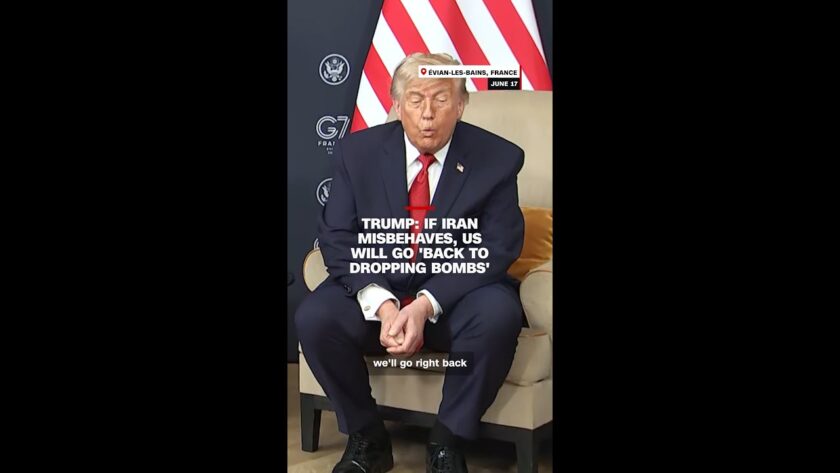
In a surprising turn of events earlier this week, the Supreme Court delivered a significant blow to former President Donald Trump’s economic agenda by striking down his sweeping tariffs. This ruling not only jeopardizes his strategy but also exposes the fragility of his influence over the judicial system. During a breakfast meeting with governors, Trump learned of this decision, which incited a torrent of rage. He labeled the court’s actions as "un-American" and expressed disappointment in what he perceived as a betrayal.
His fury was palpable as he ranted about the ruling, calling the justices “disloyal” and implying that foreign interests had somehow manipulated the court’s decision. In a moment of characteristic bravado, he claimed that he could manipulate any economic measure he desired, yet lamented that even charging a mere dollar in tariffs was no longer an option. The absurdity of his complaints was on full display; he likened it to a furniture commercial from the 1980s, further illustrating his frustration with a decision that he simply could not fathom.
In the wake of this ruling, Trump has vowed to impose even more tariffs, announcing during a White House briefing that he plans to implement a 10% global tariff, underscoring his defiance and unwillingness to back down. His emotional response shows how much he believed he had secured the court’s favors during his presidency. The ruling, however, serves as a harsh reminder that alliances can shift unexpectedly; even a former president can find himself at odds with the very institutions he once thought he controlled.
Could this decision also compel Trump to give back the tariff money that had already been collected? Indeed, various companies have initiated lawsuits aiming to reclaim those funds, alleging they were unfairly burdened by these tariffs. Retail giant J.C. Penney is among those seeking restitution, highlighting that this judicial ruling may resonate far beyond Trump’s immediate political concerns.
This situation raises crucial questions about the economic landscape moving forward. If companies successfully reclaim their lost tariff money, what ripple effects might this have on both their operations and the broader economy? Firms like Costco and Revlon, which have already joined the lawsuit, are banking on a reversal that could reshape the financial framework established during Trump’s presidency.
Interestingly, Trump’s rhetoric frequently drifts into the realm of the surreal. His elaborate tales and whimsical anecdotes often detract from the gravity of his statements. For instance, he recounted a moment at a factory where a steel worker professed, “I want to kiss you,” a notion that elicited mixed reactions. While humorous, such anecdotes can obscure the real issues at hand—specifically, the implications of his tariffs on the American workforce and economy.
His claims of strong support for tariffs highlight a dissonance. While he maintained that these tariffs benefitted manufacturers and workers, the fallout suggests a more complex narrative. As the lawsuits unfold and the impacts of the Supreme Court ruling begin to manifest, it raises the question of whether Trump’s understanding of the American economy is as simplistic as he often presents.
Ultimately, the recent legal decisions and Trump’s emotional responses underscore a pivotal moment in American economic policy. The fallibility of a former president who once commanded significant power serves as a reminder of the checks and balances inherent in the system. As companies navigate these turbulent waters, it remains to be seen how the ramifications of these decisions will influence the economic landscape for years to come.
This newfound uncertainty could offer opportunities for policymakers to reassess their approaches. Black History Month coincides with this upheaval, emphasizing the importance of historical context in understanding the present. As the nation reflects on its past, it must also grapple with the unfolding consequences of current economic policies. Whether through reparations or policy reform, the lessons learned from these events may pave the way for more equitable practices in the future.