Philippines Declares National Energy Emergency Amid Middle East Turmoil
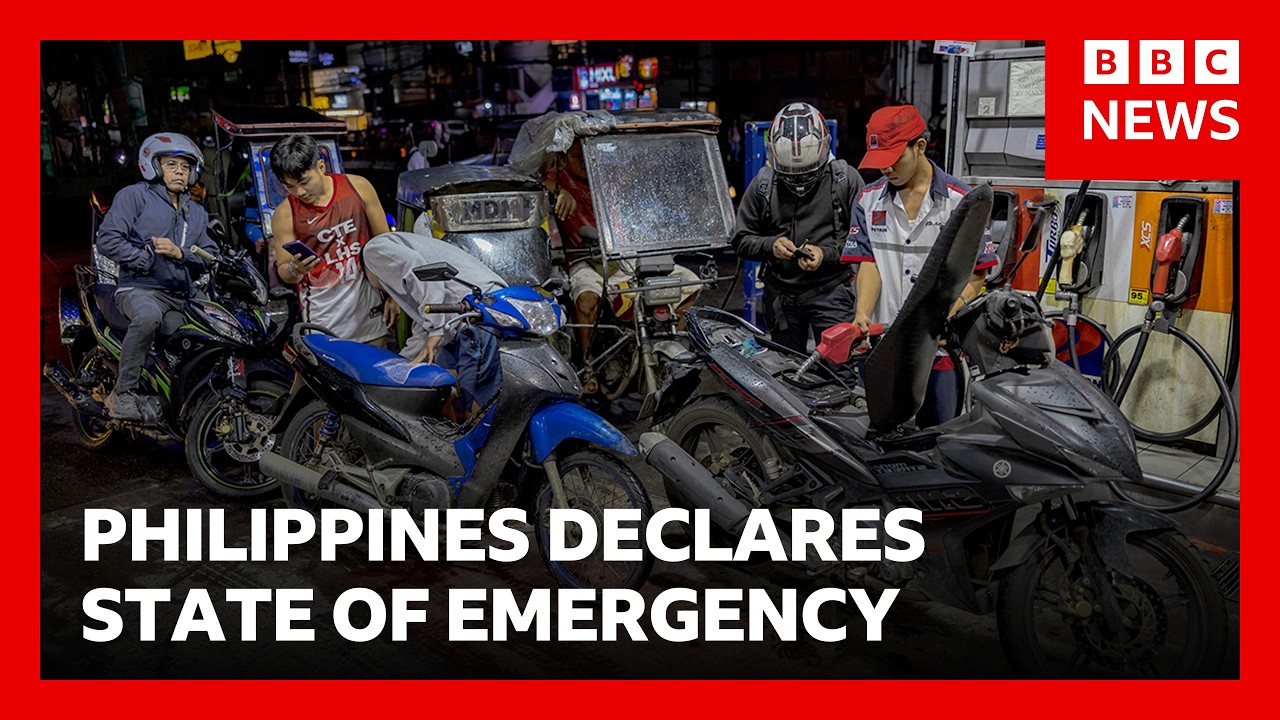
The ongoing conflict involving the United States, Israel, and Iran has unleashed a wave of economic repercussions that has swept across the globe, particularly affecting nations heavily dependent on energy imports. One such nation is the Philippines, where President Ferdinand Marcos Jr. has declared a state of national energy emergency. This pivotal decision is a direct response to what he describes as an imminent threat to the country’s energy supply stemming from the unrest in the Middle East.
In a recent executive order, President Marcos authorized measures that allow the government to react swiftly without the need for congressional approval. This urgent response underscores the growing challenges the Philippines faces regarding energy security and economic stability. The nation relies heavily on oil imports from the Persian Gulf, with approximately 98% of its oil supplies sourced from that region. The ongoing conflict has led to severe disruptions, resulting in substantial price hikes for various commodities, including transportation costs and staple foods like rice.
The economic strain is palpable. Transportation costs have skyrocketed, affecting not only fuel prices but also the cost of goods nationwide. Recent reports indicate that the prices of diesel and petrol have more than doubled since the conflict escalated. This surge in fuel prices transforms transportation dynamics, especially for essential goods and services crucial to the daily lives of Filipinos.
Transportation woes extend beyond mere fuel prices. With around nine million people utilizing traditional modes of public transportation, such as colorful jeepneys in Manila, the operational viability of these services is increasingly jeopardized. Drivers are articulating their struggles, claiming that the government’s financial assistance is insufficient to cover the operational costs of these vehicles. Consequently, there is a pressing need to reassess fare structures to ensure that drivers can remain financially afloat while still providing vital transportation services for students and commuters alike.
In the face of such significant challenges, the Philippine government has responded with various measures aimed at alleviating the burden on its citizens. Subsidies have been introduced, but anecdotal reports from drivers suggest that these handouts are falling short. The prospect of an imminent increase in transportation fares remains an open question, particularly given the government’s control over pricing. Without a comprehensive plan to address these multifaceted economic issues, the potential for widespread discontent looms large.
Moreover, the declaration of a national energy emergency raises concerns regarding civil liberties. This state of emergency may grant the government extended powers to manage public demonstrations, which could further escalate tensions. Protests are already anticipated in the coming days, driven by frustrations over soaring prices and inadequate support. While the government’s response is framed as a necessary protective measure, it has the potential to suppress dissent.
To counteract the negative effects of this energy crisis, innovative measures have been implemented, including the introduction of a four-day workweek for government employees. Such steps, while seemingly minor, reflect an effort to adapt to the new economic reality, promoting energy-saving practices among the workforce. Encouraging the use of stairs instead of elevators in government buildings also showcases a commitment to energy conservation.
Yet, despite these piecemeal initiatives, the declaration of a national energy emergency marks a significant and unprecedented action on the part of the Philippine government. As one of the first countries to formally acknowledge the profound impact of disruptions to oil supplies due to international conflicts, the Philippines sets a precedent that other nations may soon follow.
As the situation evolves, the unfolding economic crisis may necessitate further measures to strengthen the country’s energy resilience. The government’s ability to address immediate needs while implementing long-term reforms will be pivotal in navigating this turbulent landscape. The challenges may be daunting, but the Philippines, like the world around it, must adapt to an increasingly volatile global energy market shaped by geopolitical tensions.