Tragedy Strikes As Missile Attack Claims Lives in Lamemed, Iran
On February 28, the town of Lamemed in southern Iran became the focal point of a tragic event that left at least 21 people dead, including four children. This incident has drawn international attention, raising serious concerns over the implications of military actions in populated areas.
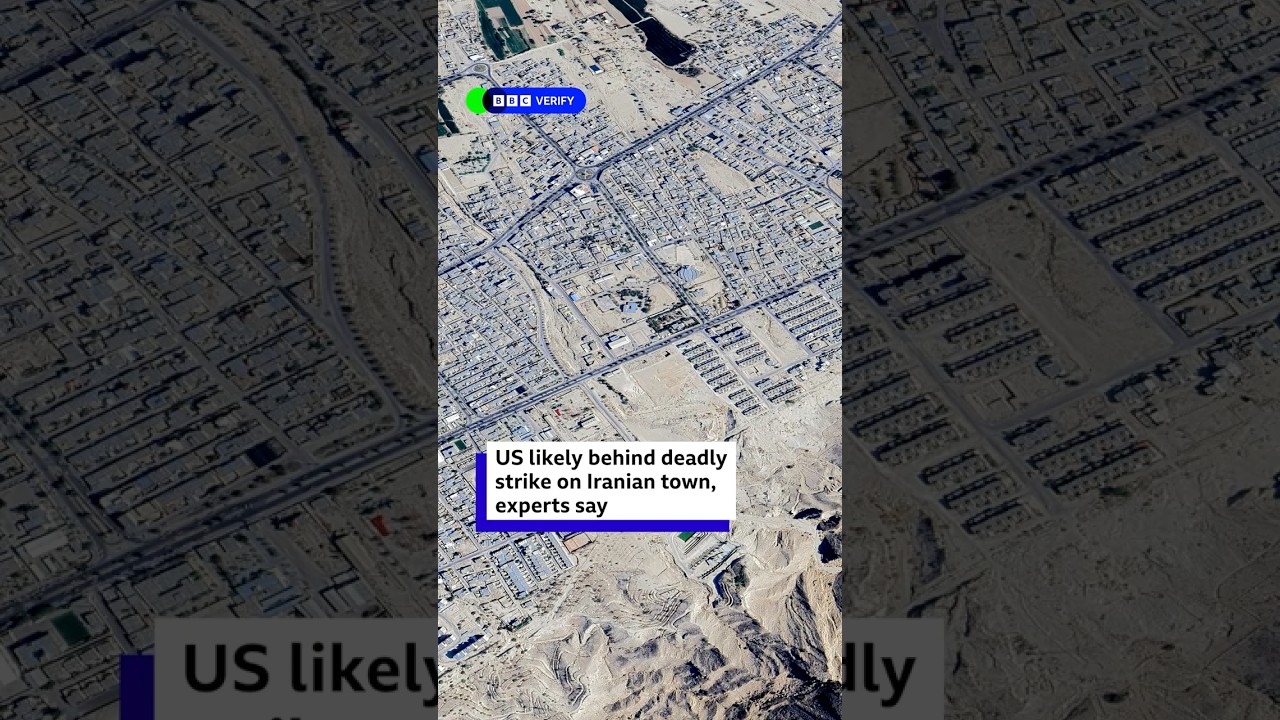
The missile strike occurred just 150 meters from a residential street, an area that now bears the scars of war. Eyewitness accounts and state media reports indicate that at least two missiles hit the town that day. One struck a community sports hall during what would have been a routine day for local families, particularly the children who were playing volleyball. The intended target of this strike was likely an Iranian military base in proximity, yet satellite imagery reveals that the base remains largely undamaged. This discrepancy raises questions about the accuracy and management of military operations.
Among the victims was 12-year-old Alamari, an enthusiastic young volleyball player whose life was cut short amid the chaos. The youngest casualty, tragically, was only two years old. The overwhelming loss resonates deeply within the community, as families grapple with both grief and anger. The aftermath of the attack is evident; verified footage depicts the community sports hall with its walls charred and the roof marred by shrapnel, surrounded by the remnants of life before the violence erupted.
Experts in military technology suggest that the weapon responsible for the strikes was a US precision strike missile, commonly known as a PRISM (Precision Guided Munitions). This particular missile is capable of reaching targets as far as 500 kilometers away. Notably, this marks the first reported use of PRISM missiles in combat by the US military. The implications of employing such advanced weaponry in civilian regions cannot be overstated, especially as it has raised significant ethical concerns and questions about accountability.
The attack has prompted inquiries into the decision-making processes behind such military operations. The US Department of Defense has not provided specific comments regarding its use of PRISM missiles in populated civilian areas, a lack of transparency that has been criticized by various international observers. Nonetheless, a senior US military official commended the use of this new technology, stating that history was made during the initial days of the operation, setting a concerning precedent.
The ramifications of the attack extend beyond immediate physical devastation. The psychological impact on the local population, marked by fear and trauma, is profound. A community that once thrived with laughter and leisure has been transformed into a landscape of mourning and uncertainty. Families must now confront a harsh reality where the specter of conflict hovers over their everyday lives.
In juxtaposition to the military objectives and strategic calculations that govern such operations, the human cost remains alarmingly high. The families of the victims, now forced to navigate the aftermath of this tragedy, highlight individual stories of loss, resilience, and the yearning for justice. The ramifications of military actions in civilian areas therefore warrant thorough examination, not only for their impact on regional stability but also for their moral implications on international humanitarian standards.
The events in Lamemed serve as a stark reminder of the tragedies borne out of armed conflict, raising the urgent need for discussion regarding the rules of engagement and the protection of non-combatants. As the international community watches closely, it’s clear that questions about the efficacy, ethical considerations, and strategic decisions surrounding the use of advanced military weaponry will continue to shape the discourse in both military and political spheres.
In conclusion, the strike on February 28 has irrevocably altered the lives of those in Lamemed. As the aftermath unfolds, the need for accountability and ethical scrutiny becomes even more pressing, shining a light on the broader dynamics of warfare in today’s complex geopolitical landscape. The tragedy not only underscores the personal losses endured but also calls for a reassessment of how military technology intersects with civilian lives.