The Ongoing Ebola Outbreak in the Democratic Republic of Congo: An Escalating Crisis
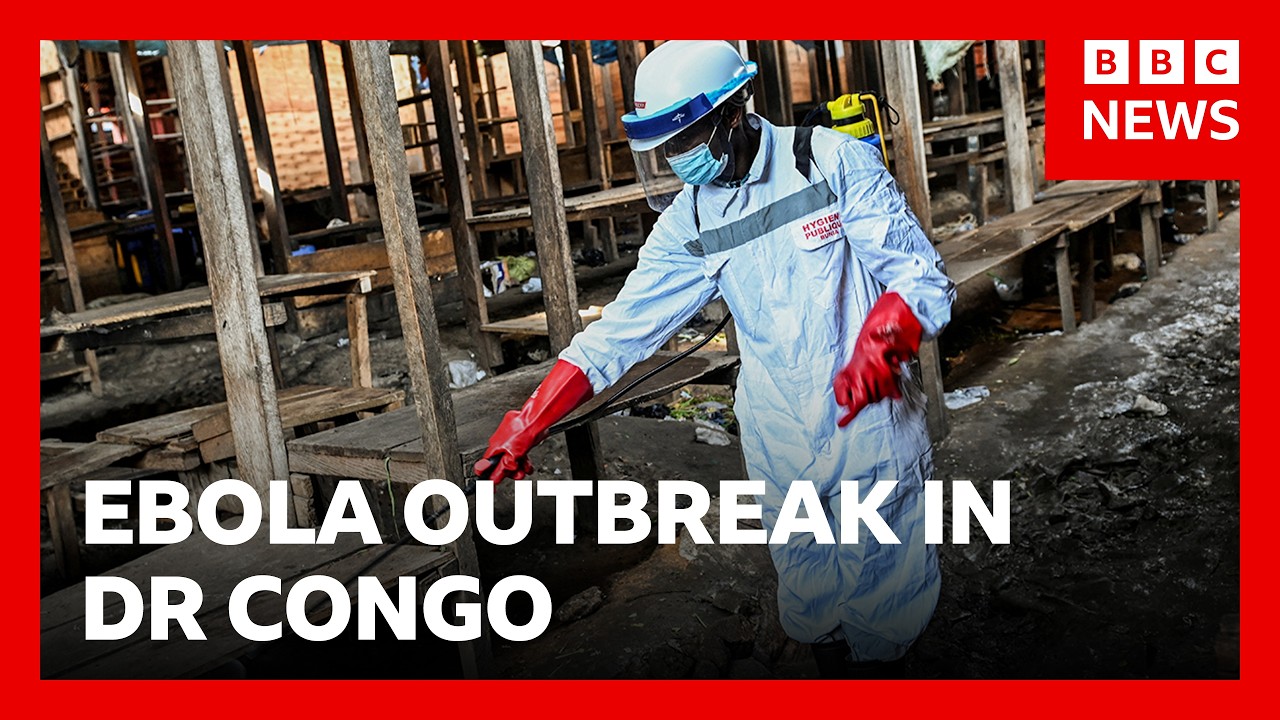
The Democratic Republic of Congo (DRC) is grappling with a severe Ebola outbreak that has claimed the lives of 204 individuals across three provinces. With 867 suspected cases reported, this event marks the most significant outbreak of the virus in Africa in a decade. Amidst rising fatalities, health officials are increasingly concerned about the virus’s potential spread to neighboring countries.
The International Red Cross has reported the tragic deaths of three Congolese volunteers in the Ituri province, who contracted the virus while assisting in the outbreak response. In a bid to mitigate the risks associated with the epidemic, the DRC government has imposed a suspension on all flights to and from Bunia, the northeastern city identified as one of the outbreak’s epicenters. Humanitarian, medical, or emergency flights are subject to stringent assessments and must receive approval from both health and aviation authorities.
The situation has sparked alarm across the region, with the Africa Centers for Disease Control (Africa CDC) warning that ten countries are now at risk for the virus. The implications of this outbreak extend beyond the DRC’s borders, as the country shares frontiers with nine neighboring nations, potentially facilitating the virus’s spread.
Monitoring and response efforts have intensified throughout East Africa. As reported by our global affairs correspondent, Richard Kakole, there is a coordinated effort among regional countries to mobilize resources, share medical supplies, and exchange technical expertise necessary for managing the outbreak. "A lot of heightened surveillance is underway," Kakole noted, underscoring the urgency of the situation.
Notably, health officials in the DRC face significant challenges that hinder their response to the crisis, particularly ongoing armed conflicts involving the M23 rebel group in North Kivu and South Kivu provinces. These clashes have not only destabilized the area but have also complicated humanitarian efforts. Despite the M23’s stated willingness to cooperate with international partners for health interventions, the DRC government indicates that their access to critical areas remains limited due to the rebels’ control.
The M23 has positioned itself in regions where local administrative structures, including health ministries, have been ousted. Many medical aid workers have been forced to evacuate, hampering the delivery of essential health services. The situation is further exacerbated by logistical challenges, especially since Goma’s main airport has been closed since January 2025 due to the insurgents’ control.
Richard further elaborated on the situation, explaining that the M23, despite its control over critical areas, lacks the experience to manage an outbreak of this nature. The rebel group has expressed itself as open to dialogue, yet the complexities of negotiating humanitarian access through diplomatic means pose a significant challenge for DRC authorities.
Kinshasa, facing the twin trials of an Ebola epidemic and internal conflict, is actively pursuing diplomatic avenues to facilitate access for health personnel and aid workers. Collaborative efforts that involve international mediation, such as the involvement of the United States and Qatar, are ongoing. Yet, for many humanitarian organizations, the logistics of entering the conflict zones remain a daunting task.
The DRC’s ongoing health crisis is a stark reminder of the vulnerabilities faced by regions experiencing conflict coupled with public health emergencies. As the infection rate continues to climb, both regional and international communities must galvanize their efforts, combining resources and strategies to contain the outbreak.
The personal toll of the epidemic is immeasurable, touching countless lives and instilling a sense of urgency among health officials. Public education campaigns are ramping up, focusing on community engagement to raise awareness about the virus and the necessary precautions to prevent its spread. In a situation fraught with complexity and urgency, the focus must remain on saving lives while addressing the underlying challenges posed by both health crises and armed conflict in the DRC.