The Tragic Death of Henry Novak: A Case that Shook the Community
The case of Henry Novak is a harrowing reminder of the fragility of life and the unpredictable nature of violence. On the evening of his death, Henry, a university student, seemed like any other young man heading out for a night with friends. However, the events that unfolded would lead to a tragic conclusion that left his community in shock.
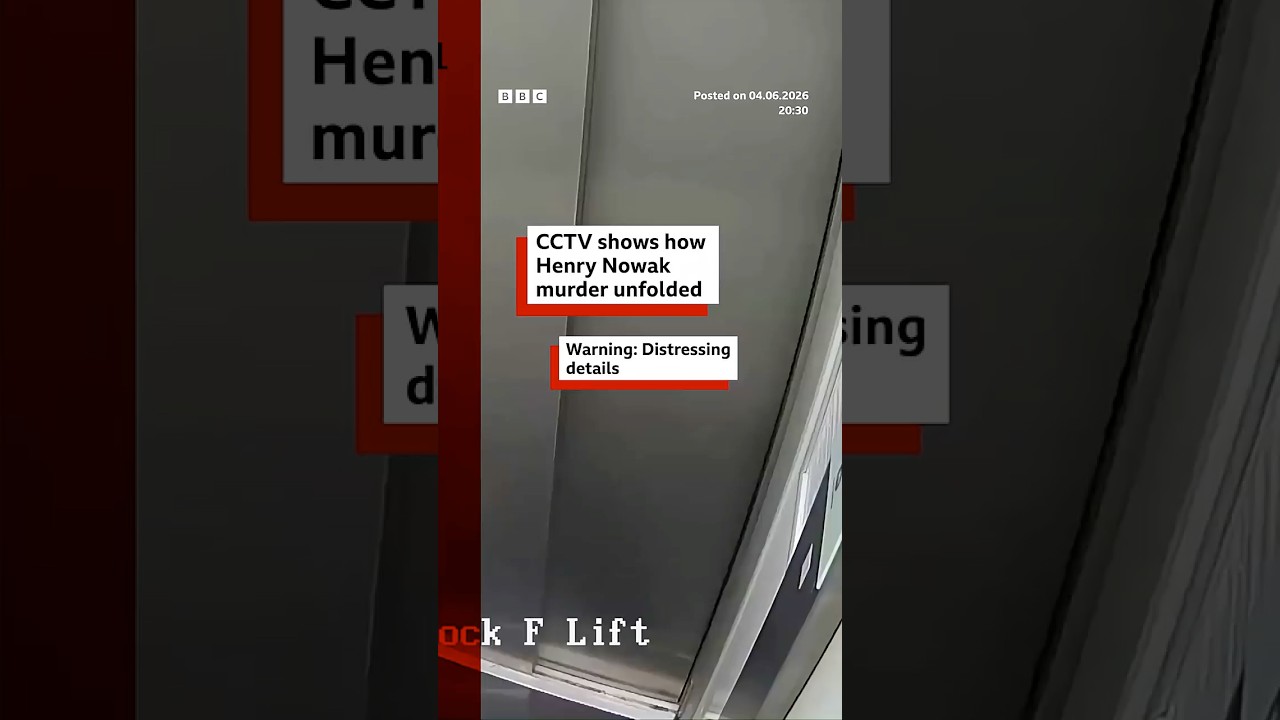
Footage begins with Henry entering a lift, making his way to meet his football team around 8:30 p.m. The hours before his untimely death were filled with camaraderie and laughter, underscored by a visit to an off-license shortly after. The atmosphere was light-hearted as Henry and his friends prepared for a spirited night. They later stopped at the Hobbit pub, where the evidence in court showed that, while Henry had consumed some alcohol, he was by no means inebriated.
By 11:00 p.m., Henry began his journey home. During this time, he engaged with friends over Snapchat, sending messages and videos—a digital record of a young man enjoying life. It was during this seemingly mundane journey that he unknowingly crossed paths with Vikram Digwa, a man carrying not just weapons but a deeply disturbing intent.
The meeting occurred near a junction close to where Digwa parked his car. Surveillance footage painted a picture of the encounter: Henry, in a moment of bravado or perhaps simple curiosity, asked Digwa, "Are you a bad man?" The response—"I am a bad man"—was chilling. In a swift motion, Digwa seized Henry’s phone. The details that transpired immediately afterward remain a mystery, known only to Digwa.
What is clear is that an altercation ensued. The judge later recounted that it was likely Henry attempted to reclaim his phone. In that critical moment, with tensions escalating, Digwa wielded a larger blade, stabbing Henry. The reality of the situation became grotesquely evident as Henry attempted to escape over a nearby fence, desperately seeking safety.
At approximately 11:30 p.m., amid chaos and confusion, Digwa’s brother called emergency services. His account was troubling, yet shockingly indifferent, framing the circumstances as a racial attack perpetrated by "some white person." Within just seven minutes, police arrived, yet the response was fraught with difficulty. They found Henry in a state of severe injury, his life slipping away.
Tragically, Henry Novak was found handcuffed, a victim of violence lingering on the brink of death. This tragic detail not only highlights the chaotic nature of such incidents but evokes profound sadness for the young life lost too soon. Vikram Digwa was subsequently convicted of murder and sentenced to life imprisonment, a reflection of the severity of his actions and the irreversible damage caused.
The implications of Henry’s death extend beyond just a courtroom verdict. They echo throughout the community, leaving a ripple effect of despair among family, friends, and all who knew him. Conversations surrounding youth violence, the accessibility of weapons, and racial tensions are ignited once more, prompting many to ponder how society can prevent such senseless tragedies in the future.
Henry’s story serves as both a cautionary tale and a call to action. It urges individuals and communities to address underlying issues of violence and racism that can surface in unexpected ways. Awareness and dialogue must replace silence; only then can society hope to build a safer world for future generations.
In the end, the story of Henry Novak is marked by loss but should also remind us of the importance of unity and understanding. We must endeavor to honor his memory by striving toward a future where such heartbreaking events become a rarity rather than a sobering reality.