Pakistan’s Strategic Role: Mediating Between the US and Iran
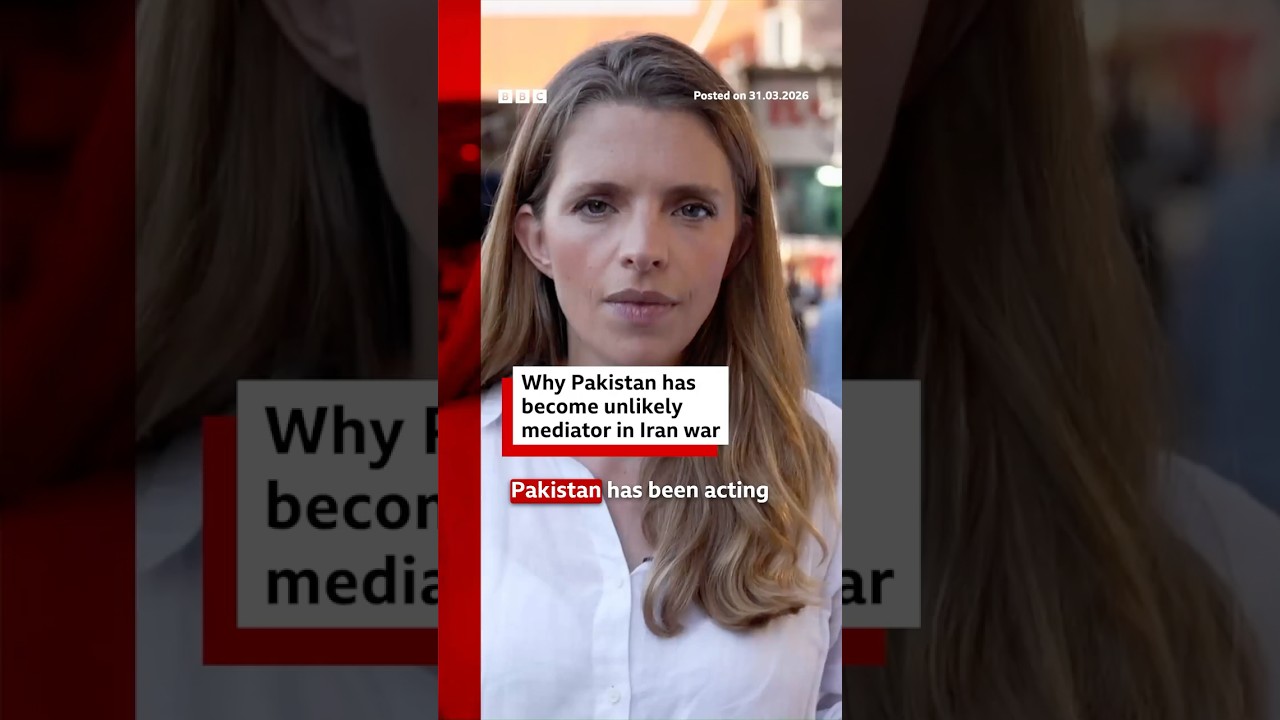
In the backdrop of escalating tensions in the Middle East, Pakistan has positioned itself as a crucial intermediary between the United States and Iran. The decision to engage in this role is not merely a matter of diplomacy; it stems from Pakistan’s own pressing vulnerabilities and strategic interests. As the situation develops, the stakes for Pakistan grow more significant, reflecting a delicate balancing act involving regional geopolitics and economic necessities.
At the heart of Pakistan’s involvement lies its reliance on oil, particularly the crude that flows through the Strait of Hormuz. This vital waterway is a lifeline for many nations, and any disruption could have detrimental effects not only on Pakistan’s economy but also on its energy security. A prolonged conflict between the US and Iran threatens to destabilize the region, potentially disrupting oil supplies and leading to soaring prices that could cripple the already struggling Pakistani economy.
Furthermore, Pakistan is cautious about the implications of a broader conflict involving Saudi Arabia. The nation shares a defense pact with Riyadh, giving it a significant geopolitical obligation. Should Saudi Arabia invoke this agreement, Pakistan would be put in a precarious position—either escalate its involvement by attacking Iran and risking the ire of its own population or refrain and potentially jeopardize relationships with a crucial economic ally. Neither scenario is appealing; domestic sentiment is likely to oppose another military engagement, particularly with an immediate neighbor alongside existing tensions with India and Afghanistan.
Pakistan’s historical ties with Iran add a layer of complexity to its diplomatic endeavors. The two nations share a border and have navigated a challenging relationship that is often influenced by external forces, including the ever-watchful eyes of regional power players. Pakistan’s ability to mediate effectively hinges on its deep understanding of Iranian politics, culture, and security concerns.
However, negotiation efforts are not limited to historical ties alone; they are also bolstered by personal connections at the highest levels of government. The strong relationship between Pakistan’s Chief of Army Staff, General Qamar Javed Bajwa, and former President Donald Trump has created an uncommon diplomatic channel. President Trump has openly praised Bajwa, referring to him as his "favorite field marshal." Such endorsements do not merely serve as political niceties; they exemplify a coalition that has the potential to influence diplomatic outcomes significantly.
Critics argue that Pakistan’s motivations for hosting talks between the US and Iran also serve its national interest. By acting as a mediator, Pakistan seeks to bolster its standing on the global stage. This move is accompanied by the hope that improved diplomatic relations can potentially attract foreign investment and enhance economic aid. However, this ambition must be tempered with the realities of Pakistan’s internal political landscape, where public opinion holds considerable sway.
As discussions about mediation between the US and Iran continue, the complexities of Pakistan’s position cannot be understated. The country faces a web of interrelated challenges, including domestic politics, economic stability, and regional security dynamics. Balancing these interests while maintaining pressure on allied governments will be a significant test of Islamabad’s diplomatic acumen.
In conclusion, Pakistan’s intermediary role between the US and Iran represents not just a tactical approach to foreign relations but a reflection of its broader strategic landscape. The country stands at a crossroads—navigating through the turbulent waters of regional conflicts and external pressures while striving to safeguard its national interests. Whether Pakistan can leverage its unique position to foster peace in an increasingly polarized world remains to be seen. The stakes are high, not just for Pakistan but for the broader region.