A Shifting Tide: Ukraine’s Resilience and Europe’s Role in the Russia-Ukraine Conflict
Donald Trump is currently grappling with plummeting public approval ratings and a foreign policy quagmire that has repercussions well beyond the Middle East. Interestingly, a potential avenue for redemption lies not in the control of oil fields but thousands of miles away in Europe, where the ongoing conflict between Russia and Ukraine is evolving. As 2023 unfolds, evidence suggests that a shift in momentum may finally allow for a path to peace.
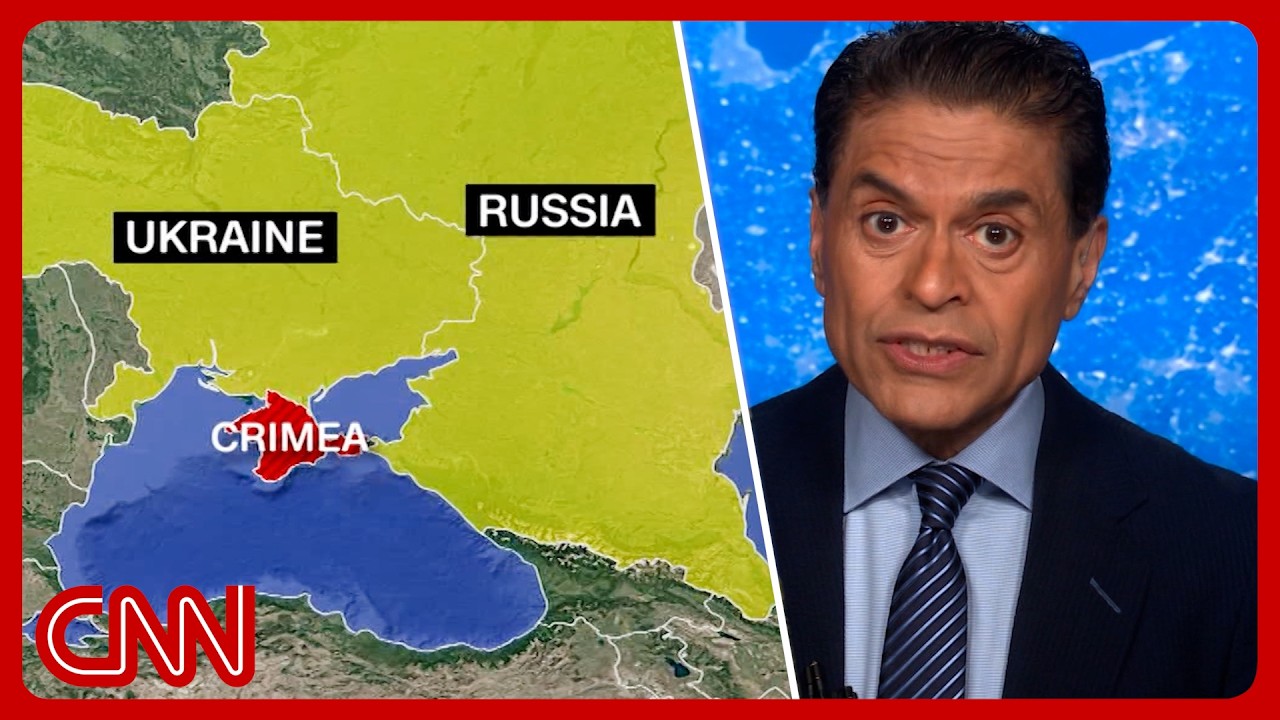
Since 2014, Ukraine has found itself in a brutal struggle against an adversary with advantages that initially seemed insurmountable: an economy roughly twelve times larger and a population exceeding four times its own. For several years, Ukraine’s primary goal was survival. However, the narrative has begun to change. The previously dominant Russian military, characterized by its sheer size and willingness to absorb losses, is beginning to falter. Russian forces, which once enjoyed a significant advantage, are now facing severe manpower shortages and diminishing morale. Field reports indicate that Russian troops are advancing at a snail’s pace; some even suggest they may have lost ground in recent months.
The war’s early phase saw casualties on both sides, yet Russia’s ability to conscript massive numbers—conscripts, convicts, and civilians—afforded it the luxury of sustaining costly campaigns. That equation appears to be shifting. Ukrainian forces, fortified by ingenuity and tactical prowess, are no longer just holding the line; they are regaining lost territory and disrupting Russian logistics with innovative drone technology. Ukraine plans to manufacture an impressive seven million drones this year, a feat that dwarfs the United States’ projected 300,000 by the end of 2027. These advancements in domestic drone production not only aid in tactical strikes but also serve a vital role in stymying Russian advances.
Despite Ukraine’s gains, it would be misguided to assume an easy victory is imminent. The Ukrainian cities still face relentless missile attacks, and the nation grapples with issues of corruption and manpower. However, another critical factor in the evolving conflict is the shifting role of Europe. With American military support waning, Europe has stepped up in significant ways; a €90 billion loan package is in motion, aiming to bolster Ukraine’s defenses and enhance its military capabilities. The recent weakening of Viktor Orban’s resistance in Hungary has freed European nations to take more decisive action, turning the tide in favor of Ukraine.
This unfolding situation presents Trump with a unique opportunity to reshape his foreign policy narrative. His previous approach to Ukraine has been criticized for its lack of nuance and for treating Ukraine as an inferior negotiating party. However, he now possesses leverage to influence the course of the conflict significantly. By threatening to revive substantial military aid to Kyiv, tightening sanctions on Russian oil exports, and expediting the transfer of U.S. weaponry to NATO allies, Trump could position himself as a pivotal figure in bringing about a peaceful resolution.
To make any peace deal palatable for Ukrainians and their European allies, territorial concessions must come with robust security guarantees, anchoring Ukraine firmly in the West. The war is no longer simply about territorial disputes in Donbas but rather about the fundamental question of Ukraine’s sovereignty and its right to self-determination. Putin’s initial theories of victory—that Ukraine was weak and the West fragile—have proven naïve and flawed.
As the dynamics of warfare continue to evolve, the psychological aspects cannot be ignored. Both nations are engaged in a battle to maintain not only military dominance but also popular support. Members of the Russian populace, facing the stark realities of a prolonged war with significant casualties, are increasingly expressing discontent. This growing unease presents both a challenge and an opportunity in terms of diplomatic engagements.
In summation, Trump stands at a crossroads. By leveraging his unique position and past views towards Russia, he could facilitate a meaningful resolution to this conflict that has inflicted immense suffering. Securing Ukraine’s future alignment with the West while deterring further aggression from a revanchist state would represent a significant achievement—one that would resonate through international relations far beyond simple photo-ops or fleeting ceasefires. With the conditions for peace slowly aligning, the question remains: will he seize this moment?