A Return to Caracas: Observations from a Turbulent Landscape
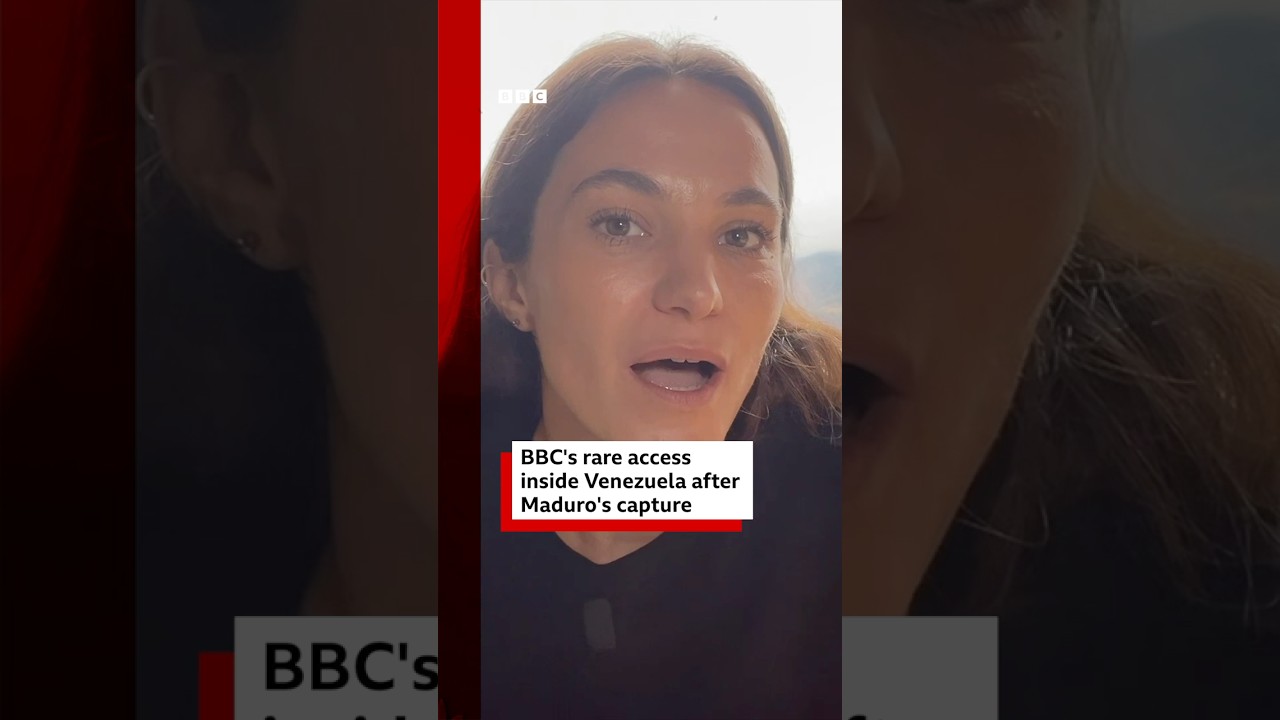
After two years away, I find myself in the vibrant but complex city of Caracas, Venezuela. The landscape has not shifted too dramatically, yet the subtle changes reflect a deeper narrative of resilience, crisis, and the persistent grip of governance on everyday life.
The first thing that strikes me is the omnipresence of Nicolas Maduro. Billboards depicting him and his wife dominate the cityscape, their messages imploring citizens to embrace “More Maduro.” This repetition is not merely an exhibition of political slogans; it is a calculated display of power aimed at reinforcing the regime’s grip on the populace. Such imagery permeates daily life, serving as a constant reminder of a government that insists on its relevance despite the widespread dissatisfaction.
In my exploration of Caracas, I observe the relentless queues of people waiting for gas canisters. This ritual is indicative of the broader energy crisis facing the country, where access to even the basic necessities remains a daily struggle. Gas shortages have become an agonizing norm, further complicating the already arduous task of navigating this urban expanse. The public has adapted, but there is an underlying tension in the air—an acknowledgment of a systemic failure that affects every sector of life.
Off the coast, in the distance, lies potential. The oil giant Shell is set to develop a massive gas project that could invigorate the beleaguered economy. However, skepticism looms large. Rumors swirl about the actual benefits this project will deliver to ordinary Venezuelans. Historically, the wealth derived from oil has failed to translate into improved living conditions for the masses. Instead, it seems to feed an insatiable machine perpetuating its self-interest.
As I maneuver through the city, another stark reality becomes evident: the quest for basic amenities remains an arduous task. It’s surprising how something as simple as a public restroom can become a challenge. My search leads me through malls and restaurants, all of which seem to betray an unsettling truth—there are no public facilities open. Cleanliness and proper sanitation are critical components of a functioning society; their absence is a symbol of the many fractures in the system.
Venezuelans have become accustomed to these gaps in infrastructure. They navigate their realities with a kind of resolute ingenuity, often relying on informal solutions and a strong sense of community. People share resources; they barter and trade, cultivating an economy that operates under the radar of traditional systems.
The resilience of the Venezuelan people is awe-inspiring. In the face of adversity, there exists a palpable sense of hope. Artists, activists, and everyday citizens continue to express their discontent and aspirations through various mediums. Murals depicting social justice and calls for democracy adorn many walls, serving as both a mode of resistance and a spark of inspiration. While the struggle for basic rights continues, creativity flourishes in these expressions, offering a glimpse into a future that many are fighting to reclaim.
The potential for change is tangible, yet fraught with challenges. Reports indicate that international interest in the Venezuelan oil sector is slowly rekindling, but whether this will lead to tangible benefits for local residents remains to be seen. As a journalist, my mission is to document these narratives diligently and truthfully.
The intricate tapestry of Caracas unfolds in front of me, revealing countless stories of hardship, resilience, and hope. It is a city caught between the shadows of its past and the uncertain promise of its future. My reflections will seek to capture not only the struggles of those living here but also the undying spirit that permeates this vibrant metropolis.
As I prepare to file my reports, I am reminded of the importance of giving voice to the ordinary citizens navigating this extraordinary situation. The world must understand their plight, their dreams, and their enduring hope for a brighter tomorrow.