The Intricate Link Between War, Food Production, and Carbon Dioxide Supply
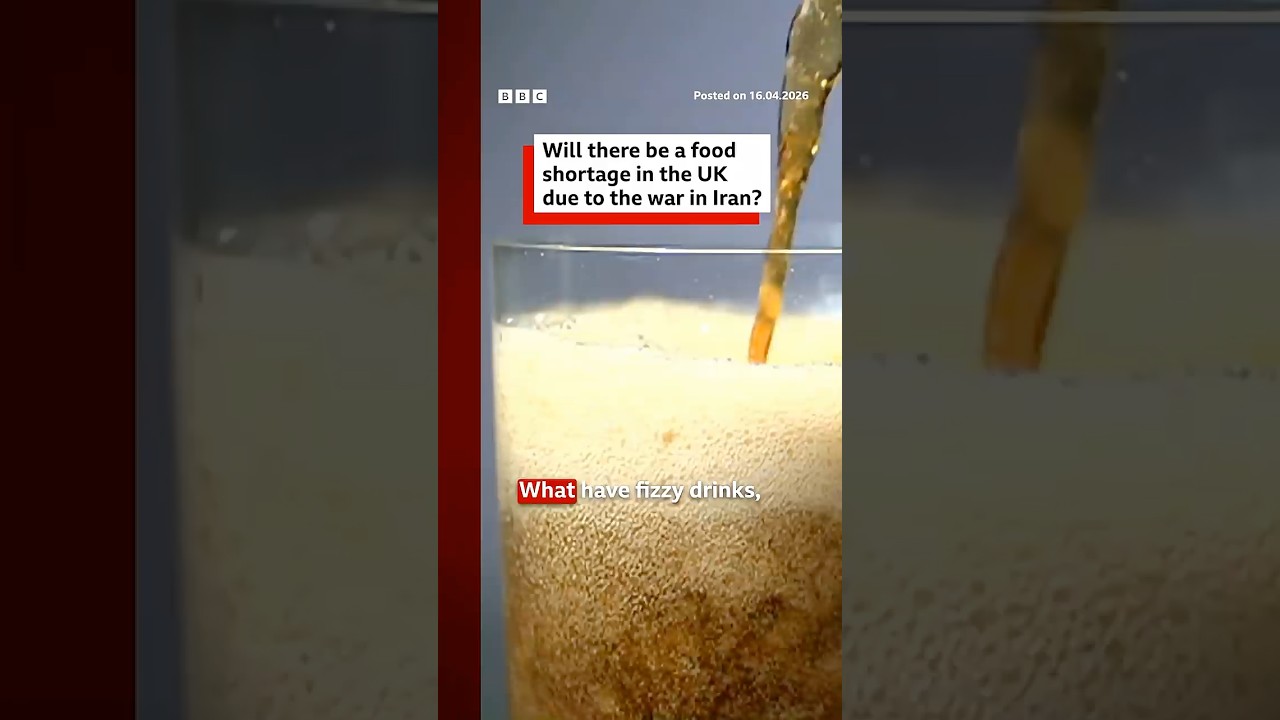
As the global geopolitical landscape shifts, we find ourselves pondering obscure but vital connections: What do fizzy drinks, fresh salads, and meat have to do with potential conflict in the Gulf? The answer lies in the nuanced dynamics of supply chains and the critical role of carbon dioxide (CO2) in the food industry. The UK government’s recent contingency plans in response to instability in the Strait of Hormuz serve as a reminder of how intimately intertwined these elements are.
The Strait of Hormuz is a vital waterway for global oil shipments. Tensions surrounding this region have prompted the UK and other nations to prepare for disruptions that could ripple across many sectors, particularly food production. The upcoming scenarios posited by government officials raise concerns regarding CO2 availability, a crucial component in food preservation and processing.
CO2 is essential in the food industry. It is used not only for carbonating beverages but also plays a significant role in the humane slaughtering of animals and in extending the shelf life of produce. The majority of the UK’s CO2 supply comes from imported sources, primarily as a byproduct of fertilizer manufacturing. This dependency means that disruptions at this level can have cascading effects across various food products.
Government sources have expressed heightened anxiety regarding potential food shortages if CO2 production is compromised, particularly in a reasonable worst-case scenario. Information recently shared with the BBC suggests that while the government is preparing for unfavorable outcomes, such precautions do not guarantee that shortages will come to fruition. Nonetheless, the possibility of diminished selection in supermarkets looms large.
The steps taken by the government to mitigate potential disruptions are noteworthy. Just last month, officials sanctioned the temporary financial backing for restarting a CO2 production facility in Teesside, which is expected to noticeably increase output. This proactive measure illustrates the seriousness with which the government is approaching the potential crisis, even as immediate concerns have not been flagged by major retailers, including Tesco.
The CEO of Tesco recently stated that none of its suppliers have raised alarms about future food supplies. This confidence, however, may not entirely quell the unease among consumers and policymakers. The interconnectedness of global supply chains means that an incident in one part of the world can resonate far beyond its geographical confines.
As the UK navigates these waters, it confronts a dual responsibility—ensuring food security while responding to an international crisis. Decisions made today regarding food supplies and CO2 production will likely have lasting effects long after current tensions subside.
While immediate anxiety over access to salad and soda bottles might seem trivial in comparison to military strategies, it underscores a deeper truth: the consequences of international relations often manifest in unexpected ways. Food is an elemental part of our daily lives, yet its availability hinges on complex economic and geopolitical factors.
The situation serves as a reminder for consumers, businesses, and policymakers alike. In a globalized world, food security extends beyond local farms and markets. It is, at its core, a reflection of how intertwined we are with global systems—political, economic, and environmental. As such, it prompts a call for better management of resources and more resilient supply chains that can withstand geopolitical shocks.
The road ahead may be uncertain, but the UK government’s preparations send a clear message about the critical need to safeguard our food systems. We must remain vigilant and aware of the many threads that connect us, especially as we contemplate the ordinary aspects of life that can be influenced by extraordinary events.