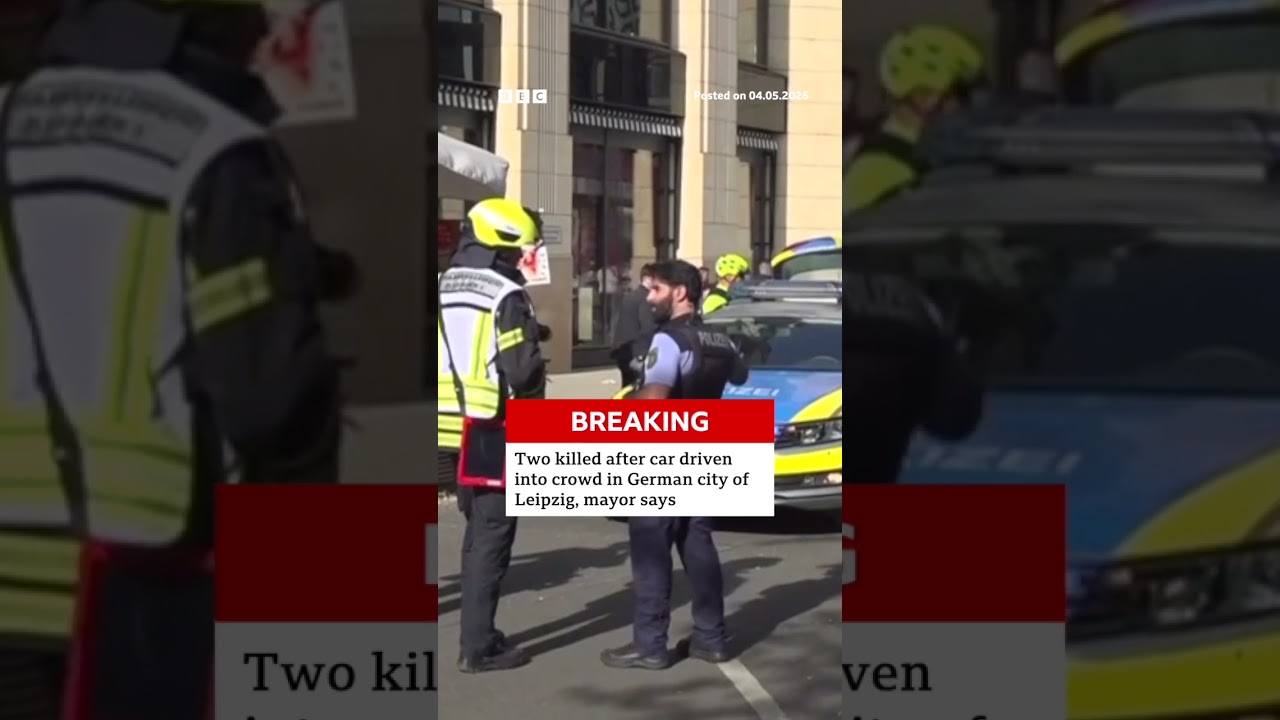
Tragic Incident in Leipzig: Car Drives Into Crowd
In a shocking occurrence in the eastern German city of Leipzig, a car veered off course and struck a crowd of people in the city center. The incident, which unfolded recently, has left the local community in a state of distress and confusion. Initial reports suggest that multiple individuals may have been injured, and local authorities have stated that the situation remains fluid.
A local broadcaster cited police sources, indicating that two individuals had lost their lives due to the collision. However, conflicting information from other outlets has caused uncertainty regarding the confirmation of fatalities. This ambiguity has heightened concern among residents and officials alike, as they await further updates from law enforcement agencies.
The streets of Leipzig, usually bustling with activity, were swiftly transformed into a scene of chaos. Witnesses reported a murmur of panic as people scrambled to aid the injured and seek safety. Such incidents remind us of the unpredictability and fragility of public safety. The local police have urged the public to remain calm and to respect the ongoing investigation.
Authorities have worked quickly to assess the situation. In a message posted on X, the police confirmed that the driver of the vehicle had been apprehended and posed no further threat to the public. While this development may provide some reassurance, it does little to diminish the shock of the incident itself or the fear it has instilled in those who witnessed or were affected by the crash.
Contextualizing this event, it is essential to recognize that vehicular attacks are not new phenomena; they have occurred in various parts of the world, often leaving communities reeling. The nature of such incidents raises questions about vehicular safety and public preparedness in densely populated areas. Cities must evaluate their measures for crowd control and emergency response, making adjustments where necessary to prevent similar tragedies in the future.
As the investigation unfolds, the authorities will undoubtedly delve deeper into the motivations and circumstances surrounding the driver’s actions. While it is too soon to draw conclusions, law enforcement agencies typically conduct thorough inquiries in such cases, revealing pertinent details that could provide clarity and perhaps closure to those impacted.
The psychological aftermath of this event is significant. Survivors, witnesses, and first responders may grapple with feelings of fear, confusion, and trauma. It is crucial for community resources to be available to those in need of support in the wake of such a distressing event. Mental health services and crisis hotlines should be made readily available as individuals process what has transpired.
Public safety measures must also be on the agenda following this incident. As cities strive to enhance their infrastructure for pedestrian safety, discussions will likely arise around traffic management and the safeguarding of public spaces. Exploring innovative solutions—such as enhanced physical barriers, improved signage, or more robust law enforcement presence in high-traffic areas—could be vital in preventing future occurrences.
In closing, the car crash that occurred in Leipzig underscores the importance of vigilance in ensuring public safety. By prioritizing these discussions, local leaders and citizens can work collaboratively to foster a safer environment for all. As more information becomes available regarding this tragic incident, the community waits anxiously for answers. Their resilience, both in the face of this immediate crisis and in the long-term recovery, will undoubtedly define their response to this devastating event.