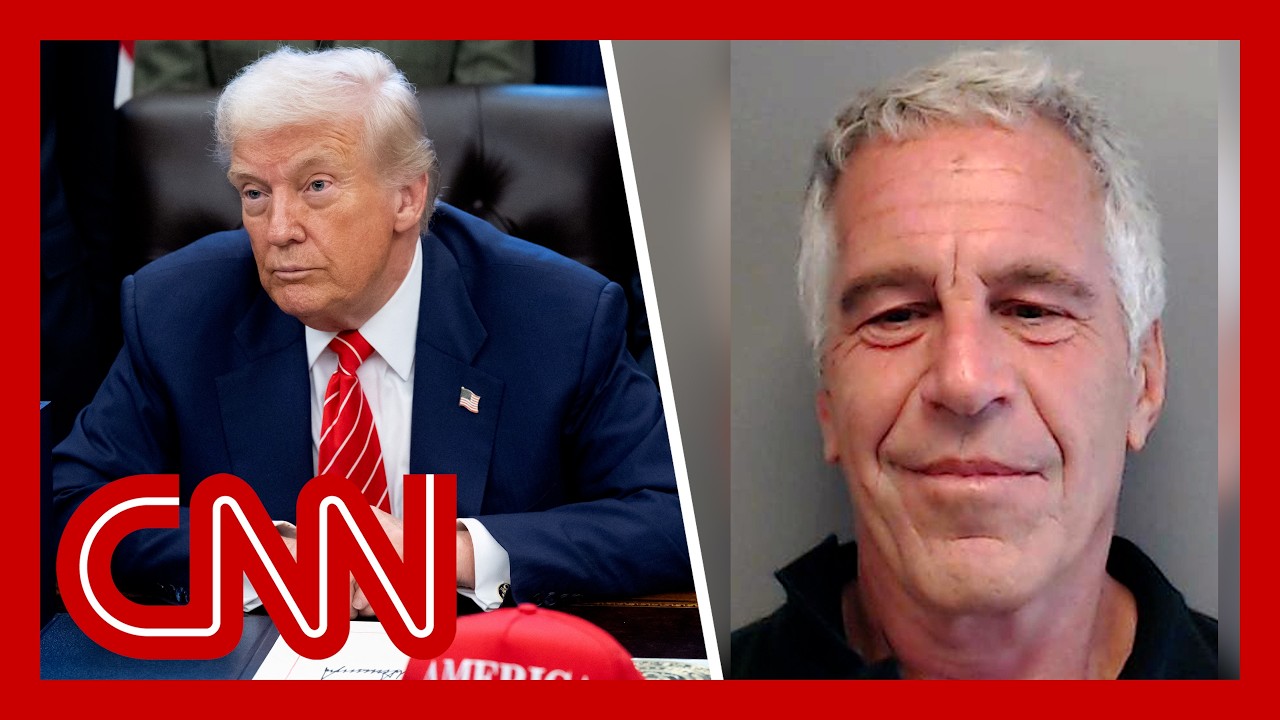
The Ongoing Epstein Scandal: A Deep Dive into Recent Developments
This week, significant revelations have emerged in the ongoing pursuit of justice in the Jeffrey Epstein case. The spotlight is now brighter than ever on individuals and institutions that have either directly or indirectly contributed to a culture of secrecy and impunity. Among these developments, we see a Trump cabinet official’s surprising admission, Ghislaine Maxwell’s alarming quid pro quo proposal, and various political factions grappling with the implications of redactions in case files.
Pam Bondi, currently serving as attorney general, stood before Congress this week in what many observers suggest was a performance more focused on appeasing partisan interests than on addressing the pressing questions surrounding Epstein’s crimes. She has faced criticism for her apparent refusal to directly engage with the substance of inquiries regarding her handling of the case. One exchange stood out: when pressed about the validity of her testimonies, she deflected, saying, “I’m going to answer the question the way I want to answer it.” This pattern of evasiveness has led to significant disillusionment, not only among those advocating for victims but also among her own party constituents.
Reports surfaced that, while Republicans began to review unredacted files related to Epstein’s trafficking ring, they found even more redactions. This has raised suspicions of obfuscation. Speaker Mike Johnson’s condemnation of the Justice Department’s surveillance of lawmakers accessing these files echoes a growing sentiment among many: that the pursuit of justice in this case has been compromised by political motivations.
In a particularly striking moment during the hearings, Epstein’s victims stood before Bondi, who notably avoided eye contact with them—a gesture that spoke volumes. These women, who had suffered immense trauma, were seeking acknowledgment and justice, yet Bondi seemed preoccupied with controlling the narrative rather than addressing their needs. The divide between the attorney general’s role as a public servant and her apparent loyalty to former President Trump was stark; many felt that her focus lay more in delivering a performance for Trump than in fulfilling her obligations to the victims.
Maxwell’s recent claims of offering to reveal damaging information about both Trump and former President Bill Clinton in exchange for clemency also complicate the situation. Such tactics highlight the lengths to which individuals entangled in the scandal might go, raising profound questions about accountability. The shifting allegiances and alarming offers reflect a larger culture of silence that has historically surrounded Epstein’s network, as well as a troubling duality where political loyalty and justice seem to clash.
Yet, amid this chaotic backdrop, it is crucial to remember the core of this investigation: the survivors and victims of Epstein’s heinous acts. Public trust in the justice system has waned considerably. Many fear that redaction and stonewalling have become synonymous with the pursuit of truth, as vital information remains hidden from both the public eye and potential scrutiny.
The antagonistic tone in recent media discussions suggests an urgency among both Democrats and Republicans to find clarity in the handling of Epstein’s case. No longer is this solely a matter of party loyalty; it has evolved into a critical examination of how the legal system addresses high-profile cases of abuse and its treatment of victims.
As details continue to unravel, the urgency for transparency and accountability will only grow. Voters from all sides of the aisle are demanding more than partisan rhetoric; they want answers. Will those responsible for maintaining a culture of secrecy be held accountable? Or will this be yet another instance where justice is delayed or, worse, denied? The coming weeks and months will likely determine not only the future of this investigation but also the integrity of the judicial system as a whole. It remains to be seen if this will be a watershed moment for victims seeking justice or just another chapter in a troubling saga that has too often turned a blind eye to those most affected.