Unveiling a Plot Against the UFC Event: A Federal Investigation
In a chilling revelation, federal law enforcement officials have confirmed the arrest of multiple individuals suspected of plotting an attack during a UFC demonstration at the White House. This potential act of violence, which involved discussions of drones and a gunman, raises significant concerns about public safety and the escalating nature of political rhetoric in the current climate.
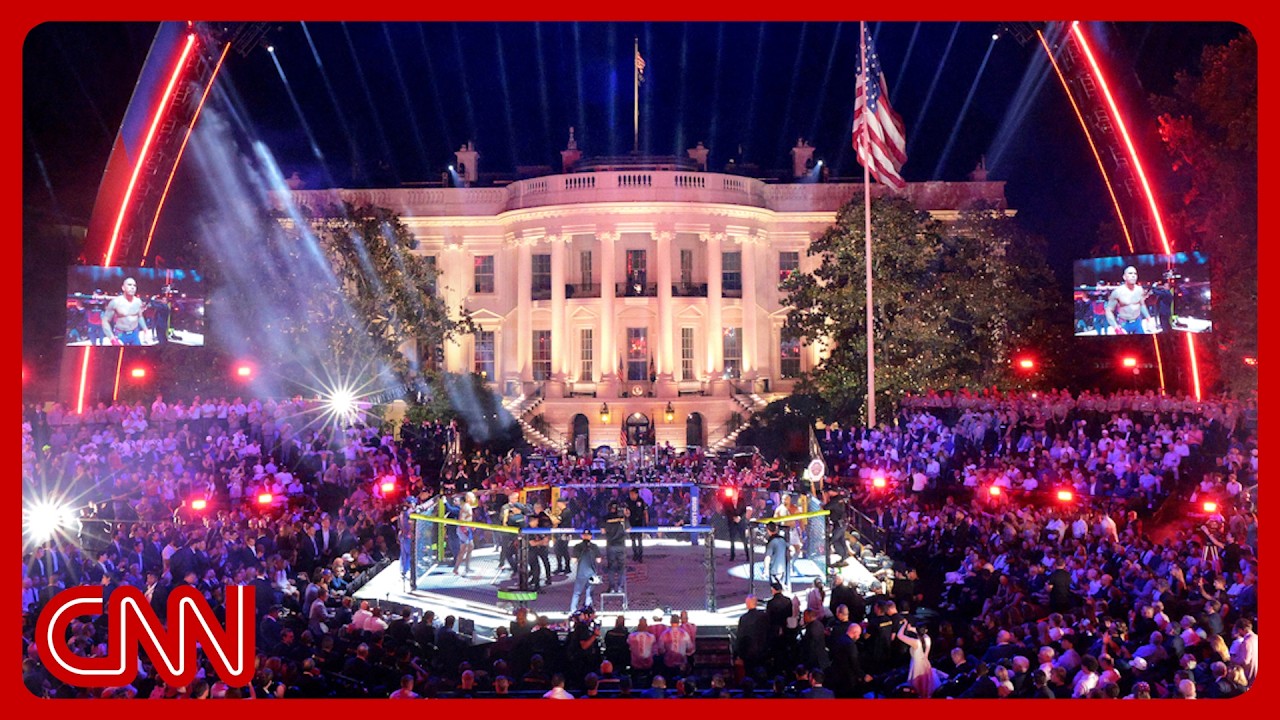
Following a tip-off, FBI and Secret Service agents initiated an investigation that led to these arrests. According to sources, the alleged plot involved attaching deadly payloads to drones with the intent of causing panic amid the large crowds expected during the UFC event on Sunday. This gathering was anticipated to draw around 100,000 people to the grounds near the White House, an occasion that had been planned to provide an electrifying viewing experience for fans.
FBI Director Kash Patel announced on social media that the threats had been "stopped cold" and emphasized the collaboration between federal and local law enforcement in addressing this matter. Notably, Patel mentioned that the individuals involved were not based within the immediate National Capital Region, sparking questions about the broader implications of this situation.
Emergence of Threats through Social Channels
The disturbing plot became evident when law enforcement intercepted messages exchanged between members of the group. While it’s still unclear how advanced their planning had become, the situation illustrates the precarious blend of technology and intent that can manifest in discussions about violence. Experts suggest that two primary factors are examined in such threats: intent and capability. The messages seen by investigators showcased a clear intent but leave open questions regarding the group’s actual capacity to execute their plans.
These discussions, some of which reportedly originated from tips provided to local authorities by concerned family members, remind us of the critical role the community plays in identifying potential threats. In this case, apprehensions about one individual’s weapon purchases were pivotal in alerting law enforcement to a more extensive network of conspiracy.
Federal Coordination and Response
The investigation required careful coordination among various jurisdictions, highlighting the capabilities of federal agencies in managing threats that span multiple states. As detailed by former FBI Deputy Director Andrew McCabe, the operation necessitated careful evidence collection while ensuring that the plot did not escalate into reality. The arrest across four federal districts underscores the complexity of modern law enforcement, particularly in an era where potential threats can emerge anywhere.
Although the full outline of the investigation will become clearer upon the unsealing of formal charges, it serves as a stark reminder of the challenges faced by security agencies today. Each layer of coordination not only emphasizes the efficiency of law enforcement but also illustrates the necessity for heightened vigilance in our communities.
Political Rhetoric and its Consequences
Vice President J.D. Vance, in a statement following the arrests, tied the emerging threats to the current political climate. He warned against the dangerous escalation of rhetoric leading to violence, particularly in a polarized environment. Statements like these are provocative and stoke ongoing discourse about the nature of political violence in America. Although claims attributing more violent rhetoric to one side of the political spectrum can incite robust debate, it is crucial to navigate these conversations carefully.
The incident highlights how fragile our safety can be, particularly during large public gatherings. Given the high stakes of such events, it becomes even more important for citizens to remain vigilant and for law enforcement to maintain robust channels for reporting potential threats.
As we await further updates from the investigation, the attention surrounding this case reminds us that, while we celebrate our freedoms, the vigilance required to protect those liberties has never been more critical. The complexities of plotting, the coordination across multiple jurisdictions, and the broader implications of political discourse are all intertwined in this unsettling narrative, emphasizing the urgent need for both awareness and action in our response to threats of violence.