Escalation in the Iran War: A Recent Surge in Hostilities
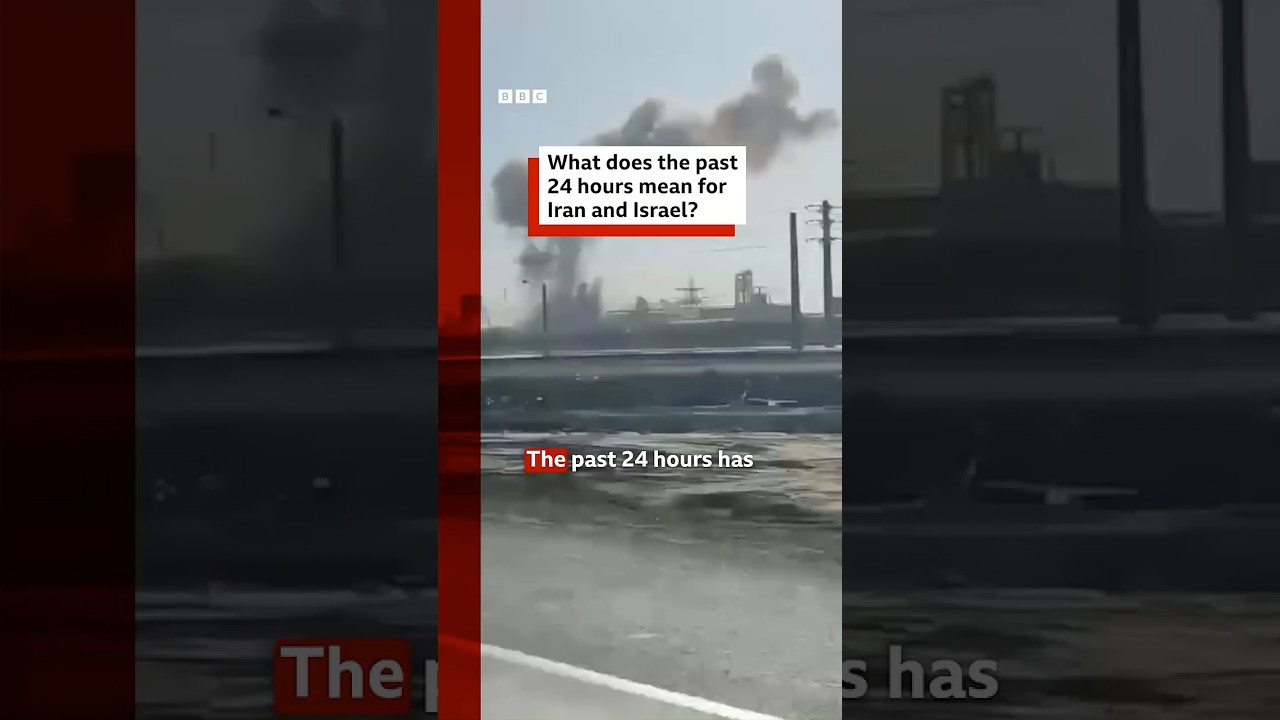
In the past 24 hours, the fragile ceasefire established in April between Israel and Iran has experienced its most significant flare-up. This renewed clash underscores the escalating tensions not only between these two nations but also highlights the broader conflict in the region, particularly in Lebanon. The present situation is precariously balanced, with both sides engaged in an intricate game of military provocations.
At the heart of this confrontation is Israel’s ongoing military offensive against Hezbollah in Lebanon. Israel’s actions have led Iran, a longstanding ally of Hezbollah, to issue stern warnings regarding the repercussions of such hostilities. Iranian officials made it clear that continued Israeli aggression would not go unanswered. Last night, those warnings manifested in action, as Iranian forces launched rockets into Israel, marking a significant escalation in military engagement. This was a decisive moment, illustrating the fragility of the ceasefire agreement.
In retaliation, Israeli forces responded with their own series of strikes in Iran, further intensifying the cycle of violence. The ramifications of this exchange are immediate and concerning, as both countries have demonstrated a willingness to escalate their military operations in response to one another’s provocations. Reports indicate that rockets not only originated from Iranian territory but also from the Houthi movement in Yemen, illustrating the wider regional implications of this confrontation.
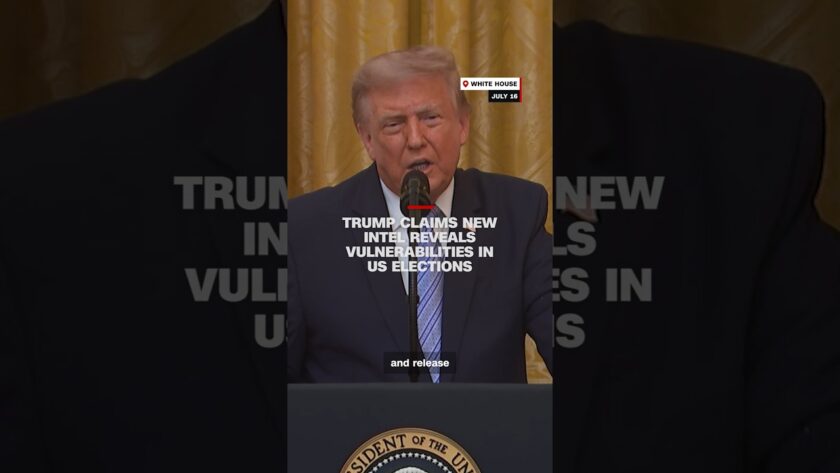
As tensions rose overnight, the alarm reached top officials in the United States. President Trump, upon waking, immediately called for an end to the hostilities. His reaction reflects a broader concern among Western allies about the potential for an even wider conflict that could engulf the entire region. Trump’s urgency emphasizes the fragile situation and the interconnectedness of various regional actors, all playing a role in this complex geopolitical landscape.
As of this morning, both Tehran and Tel Aviv are now in a precarious state, engaging in a tit-for-tat exchange that raises questions about the future of the ceasefire. Iran’s government issued a statement indicating that, for the moment, they would refrain from further strikes, but underscored the conditional nature of this restraint. The focus now shifts back to Israel and its response; all eyes are watching to see how the situation will evolve in the coming hours and days.
This escalation comes at a critical juncture in Middle Eastern politics, where allegiances and hostilities frequently shift. The ongoing conflict in Lebanon, coupled with Iran’s strong support for Hezbollah, complicates the dynamics at play. For Israel, the threat of armed engagement with Iranian forces is immediate and tangible, making the stakes incredibly high. Conversely, Iran’s willingness to project power through military action demonstrates its commitment to regional hegemony, particularly in areas where it perceives its interests under threat.
The situation remains fluid and uncertain. Diplomatic channels may be strained, but the international community must engage with both parties to prevent further escalation. The history of conflicts in the Middle East teaches us that once dissent turns to armed confrontation, de-escalation becomes increasingly challenging.
As we watch the developments unfold, it remains crucial for global leaders to remain vigilant and proactive in addressing the underlying tensions, which fuel such escalations. The next steps taken by Israel and Iran will be pivotal, shaping the course of regional security for months to come. Each decision made in the coming days could either lead towards a pathway of diplomacy or spiral further into conflict. It is a moment that demands not only patience but also a strategic approach to achieving lasting peace in a volatile landscape.