The Resurgence of Iranian Missile Capabilities: Analyzing Recent Intelligence Assessments
Recent assessments from U.S. intelligence agencies have stirred significant debate regarding the state of Iran’s military capabilities, particularly its missile arsenal. Despite official statements from the U.S. administration that touts the degradation of Iran’s missile capabilities following a series of military operations, including Operation Midnight Hammer, classified reports suggest a starkly different reality. This discrepancy raises questions about the effectiveness of U.S. military initiatives and the potential implications for regional stability.
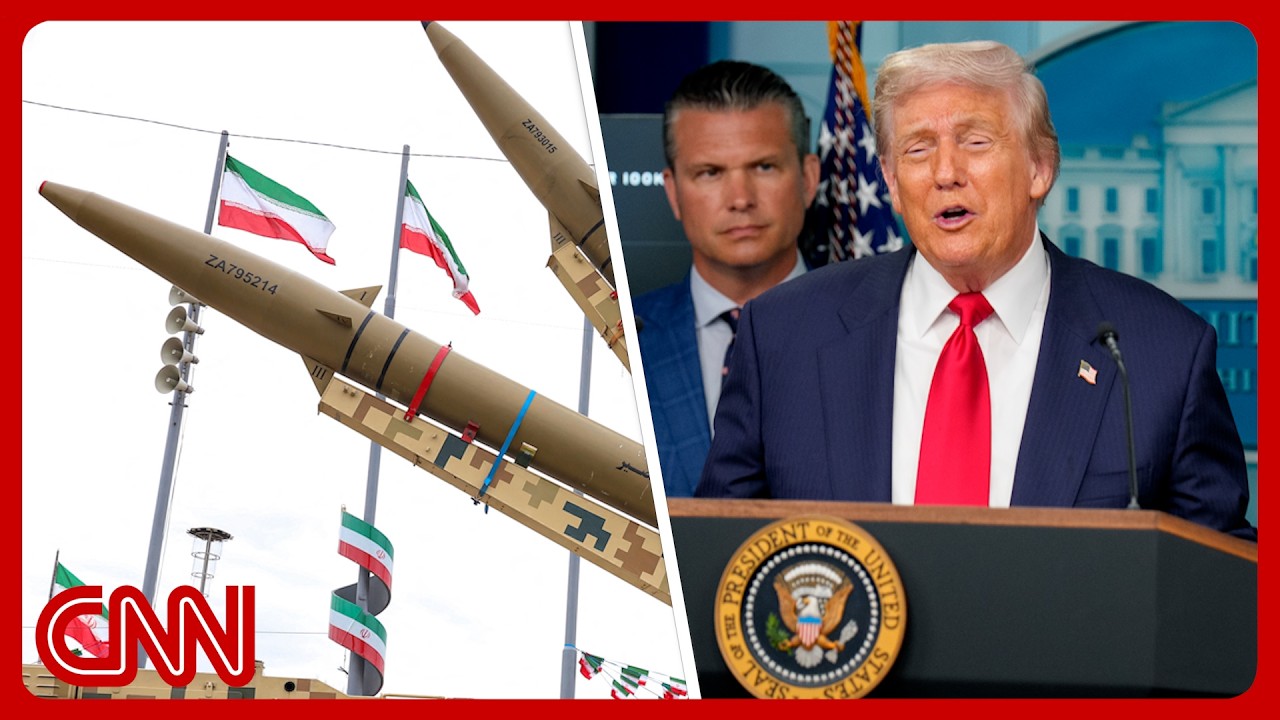
A comprehensive analysis by the New York Times indicates that Iran has managed to restore much of its missile infrastructure along the strategically critical Strait of Hormuz. Official U.S. claims have asserted that Iran’s military capabilities have been "obliterated," stating that only remnants of their missile stockpile remain. However, recent reports claim that Iran has revived as much as 70% of its pre-conflict missile stockpile, including both ballistic and cruise missiles. This revelation contradicts the narrative being conveyed from Washington and presents a considerable challenge for U.S. foreign policy.
Retired Army Major General James “Spider” Marks underscored the gravity of this intelligence with remarks that highlight both the level of Iran’s resilience and the challenges faced by U.S. intelligence in accurately assessing military readiness. Marks emphasized that while Iran has been able to recover access to missile sites, the operational capability behind this access remains uncertain. His comments reflect an acute awareness of the complexities on the ground, including the potential for Iran to conceal and protect its military assets effectively.
The inability of U.S. forces to conduct thorough bomb damage assessments remains a critical concern. Marks pointed out that while efforts to target Iranian missile sites were significant, the lack of a comprehensive understanding regarding the results of these operations reflects a deficiency in intelligence capabilities. As it stands, the U.S. administration’s understanding of Iran’s military posture may not accurately portray the current situation.
The implications of Iran regaining its missile capabilities are far-reaching. The Strait of Hormuz, through which a substantial portion of the world’s oil supply transits, remains a focal point of military and geopolitical tension. With Iran reportedly having rebuilt 30 of its 33 missile sites along this route, regional partners, including Gulf Arab states, face heightened threats to their security and economic infrastructure. This resurgence could embolden Iran to engage more aggressively in contested areas, further destabilizing an already volatile region.
Moreover, the depletion of U.S. munitions stockpiles, particularly precision strike munitions and missile defense systems, heightens the stakes. As U.S. Central Command utilizes these assets extensively in engagements against Iranian forces, the reduced capability to quickly respond to regional threats could jeopardize U.S. interests and its allies in the Gulf.
In the midst of these developments, the relationship between the U.S. and its allies could be tested. The possibility of Iran collaborating with other global powers creates an intricate web of geopolitical dynamics. With China increasing its influence in the Middle East, as evidenced by its recent involvement in diplomatic negotiations, the U.S. faces a dilemma: how to counter Iranian access and influence without relinquishing power to adversarial states.
Evaluating this landscape becomes essential for understanding the broader implications for U.S. foreign policy. If Iran can consolidate power and reduce reliance on any single source of support, its ability to project military force will continue to pose significant challenges for security in the Gulf region. This situation necessitates a recalibration of strategies, both in terms of military preparedness and diplomatic engagement.
In conclusion, the counterintuitive findings coming from U.S. intelligence on Iran’s missile capabilities require urgent attention. While the narrative of their military degradation has dominated the public discourse, a closer examination reveals that the situation may be far more complex. As the U.S. continues to navigate this precarious landscape, reassessing both military readiness and diplomatic relationships will be critical in addressing the evolving threats posed by a more resilient Iran.