Analyzing the Current Tensions Between the United States and Iran
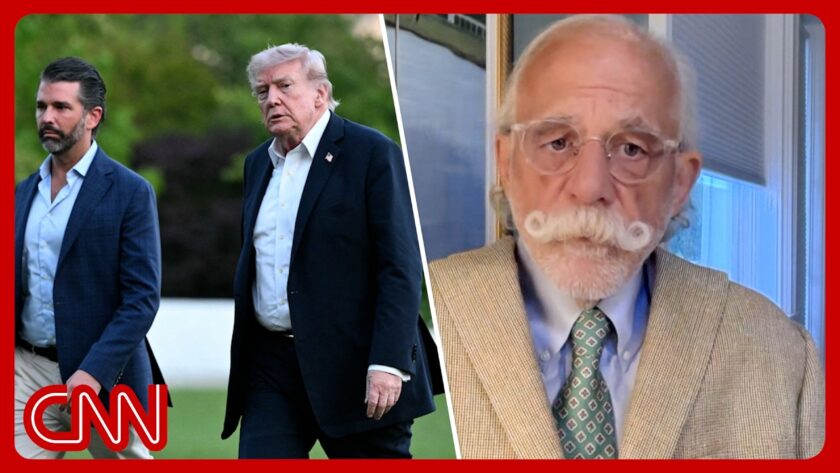
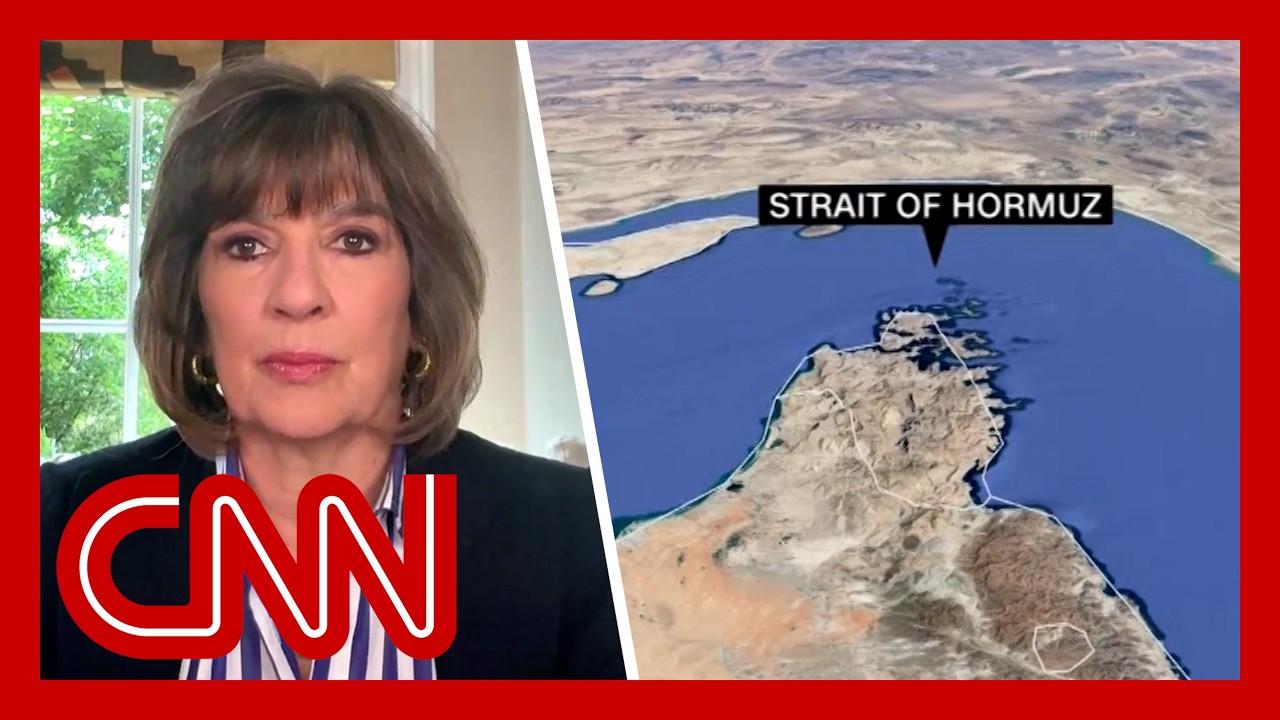
Recent comments by President Donald Trump indicate positive discussions between the United States and Iran. Over the past 24 hours, Trump has expressed optimism about reaching a resolution, suggesting that an agreement could be finalized within a week. However, the Iranian response paints a more complex picture. Tyrron’s top negotiators have openly criticized the U.S. administration’s initiatives, labeling the recent operation to guide ships through the Strait of Hormuz as a failure.
Mixed Signals from Both Sides
Christian Amanpour, CNN’s chief international anchor, underscores this dichotomy in responses. The Iranian leadership’s defiance and sophisticated mockery of U.S. efforts highlight their reluctance to yield to American pressure. On the other hand, Trump’s repeated assertions in various media forums reveal his desire for a swift resolution. This seemingly straightforward negotiation landscape is, in reality, characterized by a tug-of-war where both nations are assessing their respective thresholds for patience and pain.
The Stakes of Ceasefire and War Dynamics
As tensions simmer, the primary question remains: who can withstand prolonged pressure? A critical aspect of this geopolitical conundrum lies in a proposed one-page document that aims to formally conclude hostilities. While the document may enable Trump to claim a partial victory, the underlying issues—such as Iran’s nuclear capabilities and the security dynamics in the Strait of Hormuz—remain unresolved.
Historically, U.S. efforts to safeguard maritime navigation, like the recent “Operation Freedom,” have yielded minimal results. As Iran grapples with severe economic turmoil—marked by rising poverty and diminishing infrastructure—its resilience remains formidable. Although the nation is economically weakened, it has consolidated power among hardliner factions, which complicates potential negotiations.
Protests and Perceptions in Iran
Despite recent demonstrations that may appear to be critical of the regime, it is essential to recognize that these events are often state-sanctioned displays of loyalty. As the Iranian government braces for its response to the U.S. proposal, the expectation is a mixture of defiance and negotiation. Official communications suggest that Iran is reviewing U.S. terms but remain aware that their interpretation of a "positive" response may differ significantly from American expectations.
Ongoing Uncertainties and Future Prospects
The White House maintains a cautious optimism regarding the Iranian response, yet the fundamental sticking points persist, particularly around the issue of highly enriched uranium. Trump’s insistence that the U.S. will pursue this element suggests a looming contention. The administration’s strategy appears nebulous and contingent on forthcoming negotiations about broader security concerns.
Furthermore, the American leadership feels pressure to extract the nation from a conflict that has yet to yield clear tangible results. While military assets ready in the region may signify strength, they also underscore the dangers of escalating hostilities. The increasing costs of this conflict, both financially and politically, loom over the administration’s decisions.
The Economic Implications
An analysis of the economic fallout reveals that tensions with Iran impact global markets, including rising gasoline prices for American consumers. The interconnected nature of the world economy means that crises like this one resonate far beyond their geographical boundaries. As Iran retains leverage in its regional control, its actions can influence everything from oil prices to market stability, deepening the complexities of U.S. foreign policy.
Conclusion
Navigating the intricacies of U.S.-Iran relations requires a delicate balance of diplomacy, economic strategy, and military readiness. While both nations express a desire to avoid full-scale conflict, the prevailing sentiment indicates that meaningful dialogue remains tenuous. The unfolding weeks will be crucial, not just for the immediate actors involved but also for the broader implications on international security and economic health. As the situation develops, it remains to be seen whether resolution or escalation will define this chapter in U.S.-Iran relations.