Tensions Rise in the Strait of Hormuz: A Geopolitical Analysis
Recent developments regarding the Strait of Hormuz have escalated tensions between the United States and Iran, showcasing the delicate balance of power in one of the world’s most vital maritime corridors. Iran’s state media has claimed that its navy has successfully thwarted attempts by the US military to enter the strait, a claim that comes just as President Trump announced that American forces would begin guiding ships through this critical route. This dichotomy raises a multitude of questions about maritime security, international diplomacy, and economic implications.
At the heart of the issue lies the operation dubbed "Project Freedom," initiated by the United States. However, a key distinction has been noted: the term “guiding” does not equate to “escorting,” a strategy previously discussed but never enacted. As shipping data currently indicates, traffic through the Strait of Hormuz remains nearly non-existent, signaling apprehension among maritime operators regarding safety.
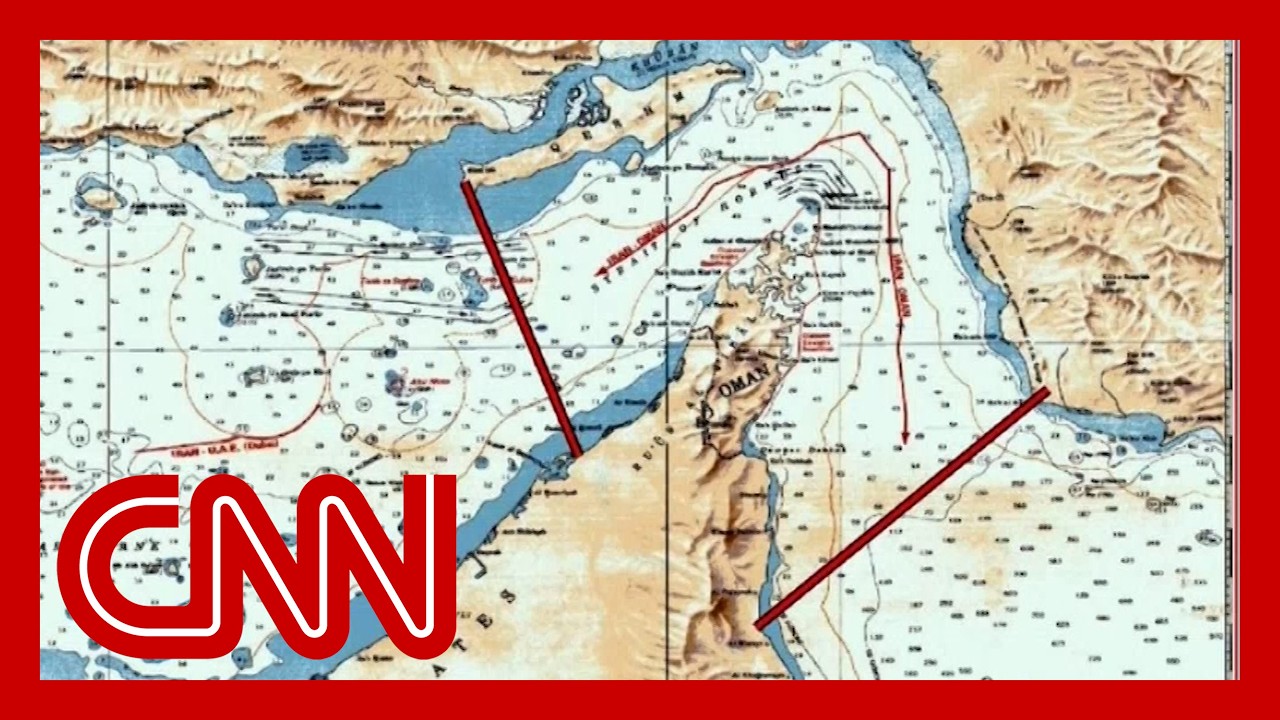
In response to the US announcement, Iran has gone as far as to publish a new map delineating its claimed control over expanded zones within and around the strait. The Iranian government has stated emphatically that any foreign military incursion into these waters will be met with force. This aggressive posture not only underscores Iran’s determination to assert its territorial claims but also complicates the already intricate geopolitical landscape.
Gas prices have reacted to these heightened tensions, with the national average rising by 35 cents in just one week, currently sitting at $4.46 per gallon. This increase reflects market anxiety over potentially disrupted oil supplies, given that the Strait of Hormuz is a conduit for approximately one-fifth of the world’s oil supply.
US Central Command has publicly refuted claims from Iranian sources that a US warship had been struck. This denial, issued amid chaos on the ground, reinforces the Pentagon’s commitment to maintaining a highly visible presence in the region while ensuring the safety of its naval assets. The operation reportedly involves a robust deployment of resources, including guided missile destroyers, drones, and a sizable force of service members. Nevertheless, the specifics of how these assets will facilitate safe passage through the strait are unclear.
Congressman Suha Subramanium has articulated an essential perspective amid the confusion, questioning the efficacy of the administration’s strategy. He expressed concern over Iran’s newfound leverage in the wake of the ongoing conflict, suggesting that the situation complicates diplomatic relations and poses challenges for US interests. Notably, he emphasized that the strait was not a contentious point prior to the current conflict, highlighting how the war dynamics have shifted the balance of power.
There are also broader implications regarding US relationships with its allies. As the Trump administration hints at troop withdrawals from Germany, European leaders appear disconcerted, suggesting that the US is not effectively managing its alliances. If the US hopes to unify support against Iranian control in the strait, collaboration with allies is paramount. Any action perceived as undermining these relationships could lead to significant long-term geopolitical ramifications.
In conclusion, the situation in the Strait of Hormuz serves as a microcosm of the complexities inherent in international relations today. With Iran asserting control and the US attempting to navigate its strategic interests, the risks of miscalculation grow. As energy prices continue to fluctuate in response to these developments, the need for clear communication and robust diplomatic engagement becomes ever more urgent. The Strait of Hormuz, a vital artery for global commerce and energy, rests precariously in a landscape marked by uncertainty, where every decision carries the weight of potential conflict or resolution.