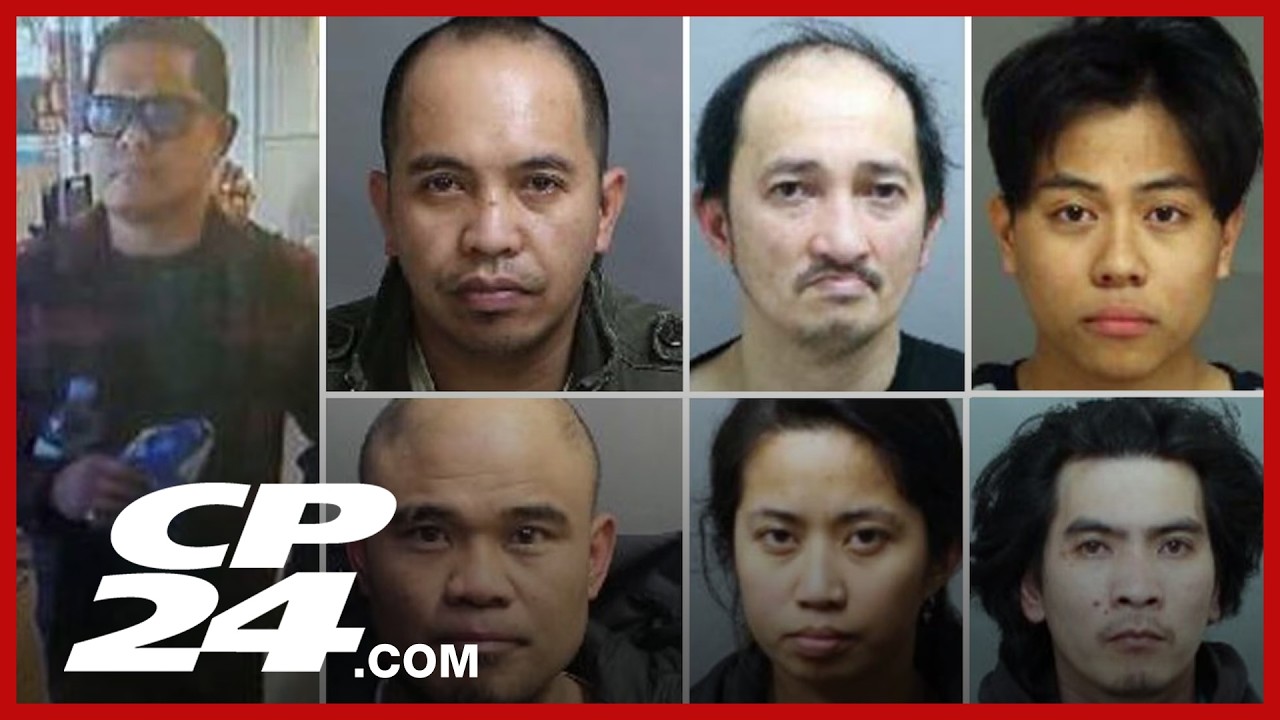
Escalating Threat: Organized Retail Fraud Using AI and Social Engineering Tactics Uncovered
In a troubling revelation, law enforcement agencies have made significant strides in dismantling an organized retail fraud scheme that employed cutting-edge technology, including artificial intelligence (AI). The operation, which spanned from September to February, targeted various retail establishments across the Greater Toronto Area (GTA). By leveraging AI-enabled tools like smart glasses and mobile devices, the perpetrators were able to execute their fraudulent plans with remarkable sophistication.
Modus Operandi: A Closer Look
Investigators have pieced together a disturbing pattern of behavior employed by the suspects. They utilized distraction techniques to capture employees’ login credentials and passwords. This infiltration allowed them to access store systems, enabling the fraudulent loading of funds onto gift cards through self-checkout terminals. The sheer scale of the operation is alarming, with the police reporting a staggering estimate of financial losses amounting to approximately half a million dollars over just a few months.
Detective David Coffey from the Toronto Police Financial Crimes Unit elaborated on the discovery of the fraud. Retail stores, while reconciling their financials, stumbled upon significant discrepancies—an "outrageous amount of money" that had vanished without explanation. These findings prompted further investigation, ultimately leading to the arrest of several suspects.
Targeted Retailers and Geographic Scope
The fraudsters’ methodological approach allowed them to infiltrate a broad range of retail environments. Think along the lines of any store equipped with self-checkout options—places where customers can easily purchase various items, including gift cards. According to Detective Coffey, the suspects connected to about 112 theft occurrences, spanning multiple locations throughout Toronto and its surrounding areas.
Organized Crime Elements
The investigation has revealed that this operation is not just an isolated set of thefts but part of an organized crime framework. Detective Coffey emphasized that the group showcased a concerted effort in their approach, utilizing a consistent methodology that points to a more structured criminal enterprise. The charges they face are serious, including fraud over $5,000, possession of property obtained by crime, and use of a computer system with intent to commit an offense.
The Ongoing Investigation
As of now, police have arrested several individuals, but the search continues for two suspects who remain at large: Mr. Danabros Flores and Ms. Reme French Ju C. Investigators are hopeful that these individuals will voluntarily turning themselves in. With the significant financial implications of their actions casting a long shadow, the urgency of the ongoing investigation cannot be overstated.
Interestingly, the arrested individuals were reportedly not known to law enforcement prior to this case, raising questions about their backgrounds. As for the outstanding suspects, Detective Coffey mentioned that it remains unclear whether they are citizens of Canada or foreign nationals.
Implications for Retail and Beyond
This case sharply illustrates how criminals are adapting to technological advancements. The integration of AI and social engineering techniques signals a shift in the landscape of retail fraud. Fraudsters are no longer relying solely on traditional methods; they are quick to embrace new technologies to exploit vulnerabilities in systems.
Detective Coffey noted that this sophisticated level of fraud is concerning but not entirely unprecedented. Criminals have consistently found ways to leverage technology for malicious purposes, making it imperative for retailers to enhance their security measures. Doing so will not only protect their financial interests but also safeguard employees and customers.
Conclusion
The unfolding details of this organized retail fraud investigation reveal a concerning trend in the realm of financial crimes. As retailers grapple with the fallout, the importance of robust security protocols has never been more critical. With ongoing investigations and community involvement, law enforcement agencies strive to not only arrest the remaining suspects but also prevent similar occurrences in the future. In an era where technology is both a tool and a target, vigilance remains paramount.