Project Freedom: President Trump’s Initiative to Unblock the Strait of Hormuz
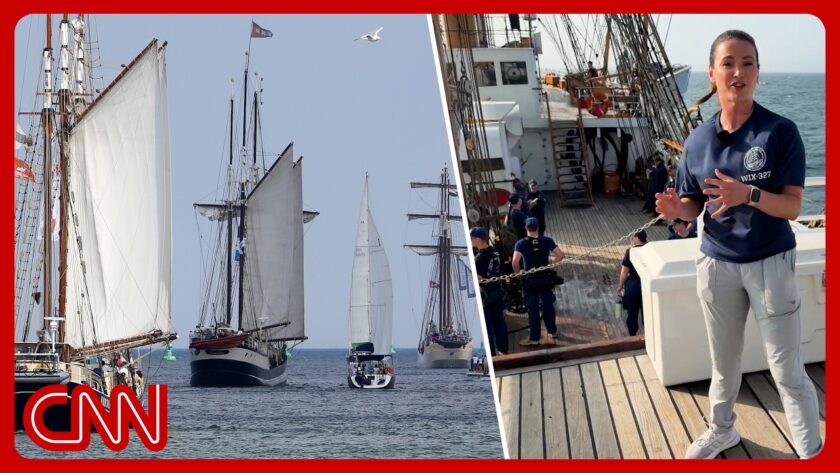
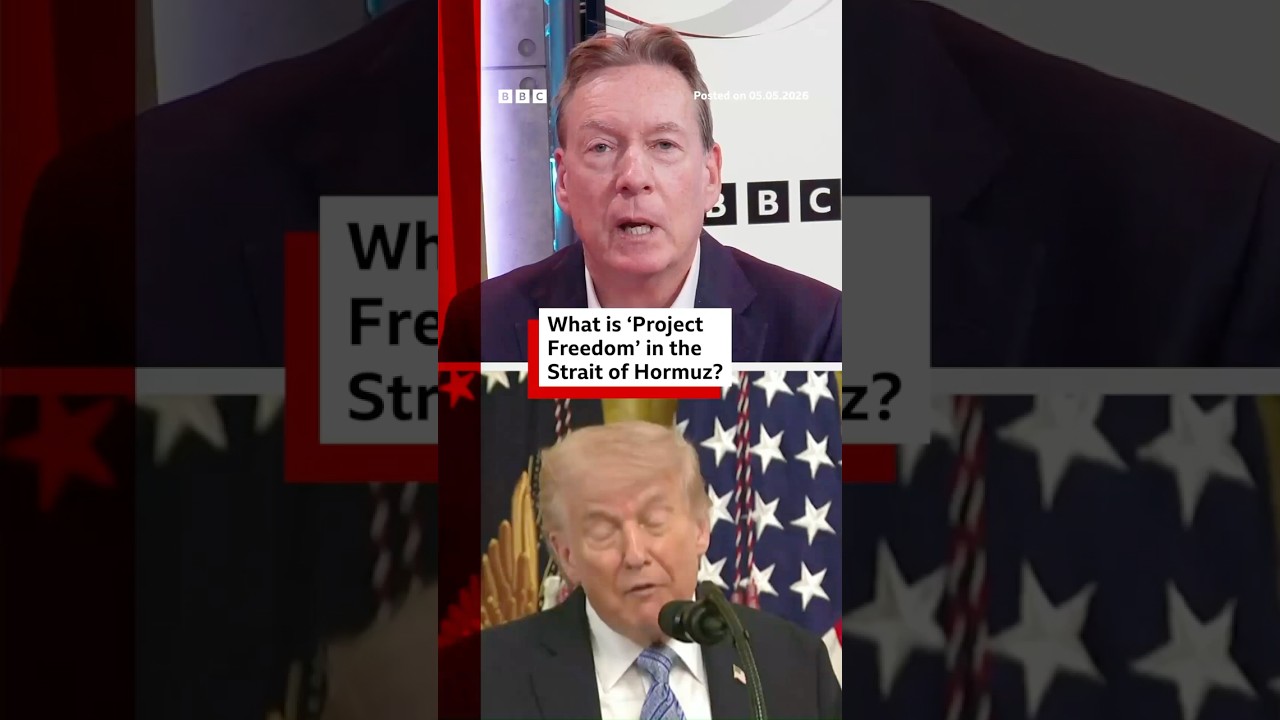
In an ambitious move, President Trump has coined the term "Project Freedom" to articulate his administration’s efforts aimed at reopening the Strait of Hormuz. This critically important waterway, situated between Oman and Iran, serves as a lifeline for about 20,000 merchant seamen stranded aboard approximately 2,000 vessels. These sailors find themselves in a precarious situation, unable to transit the strait due to a myriad of threats—including the presence of mines and the potential for aggressive actions by the Iranian military, particularly the Islamic Revolutionary Guard Corps.
The urgency of this initiative cannot be overstated. The Strait of Hormuz is not just a geographic feature; it is a major artery for global oil transportation. Nearly one-fifth of the world’s crude oil passes through these narrow waters. With tensions escalating between the United States and Iran, maritime safety has become a pressing concern, prompting President Trump to frame this endeavor as a humanitarian gesture.
Project Freedom commenced on Monday, marking a significant step in the U.S. Navy’s efforts to escort ships safely through the strait. This initiative aims to alleviate the longstanding blockade affecting international shipping routes, which has considerable implications not only for the global economy but also for the livelihoods of countless sailors.
However, the complexities of implementing Project Freedom are formidable. While the U.S. Navy has the capability to escort a limited number of vessels, scaling this operation raises a host of challenges. The Iranian regime remains undeterred and continues to maintain a robust arsenal of military resources, including missiles, drones, and fast-attack boats. These assets pose a severe risk to any U.S. military vessels attempting to secure a transit corridor through Iranian-controlled waters.
Moreover, the geographical landscape of the Iranian coastline complicates matters further. With numerous inlets, coves, and caves, the Iranian military can effectively conceal its tactical equipment and operational plans. As someone who has observed the intricacies of this region, it becomes evident that any military operation needs to account for these hidden threats.
The humanitarian framing of Project Freedom raises questions about the broader implications of U.S. military involvement in the region. While President Trump emphasizes the need to liberate merchants from their vulnerable position, critics point out that such interventions often exacerbate existing tensions. The potential for conflict remains high, and any miscalculation could ignite a larger confrontation.
International diplomacy will be a crucial component of the project’s success. Cooperation from regional allies, including Gulf nations and maritime powers, will be vital to widen the scope of the initiative. Notably, these countries have their own vested interests in ensuring navigational freedom through the strait. A united front could lend legitimacy to the efforts and enhance the security of maritime operations.
In the grander scheme, Project Freedom serves as a reminder of the intricate ties between military strategy and economic stability. The stability of the oil market—and, by extension, global economies—largely hinges on the safe passage of shipments through these vital waterways. Any disruption can have far-reaching consequences, affecting oil prices and economic conditions worldwide.
As Project Freedom unfolds, the balance between military readiness and diplomatic engagement will dictate its efficacy. The U.S. must navigate these waters carefully, weighing the ethical implications of its military presence against the gravity of the situation at hand. Ultimately, the success of this initiative will not only be measured by the safe passage of merchant vessels but also by the preservation of peace and stability in a region mired in conflict.
Through careful planning and international collaboration, Project Freedom could redefine maritime security in the Strait of Hormuz. In doing so, it holds the promise of restoring a semblance of normalcy for thousands of seafarers trapped in a web of geopolitical strife.