Venezuela Reels from Devastating Earthquakes: A National Tragedy Unfolds
On a day that was meant for national celebration, Venezuela was struck by two powerful earthquakes, plunging the country into despair and chaos. Occurring early in the evening, the earthquakes registered magnitudes of 7.2 and 7.5, making them one of the most severe seismic events the nation has experienced in over a century. With the epicenter located just west of the capital, Caracas, the coastal city of La Guaira has emerged as the worst hit area, suffering extensive structural damage and loss of life.
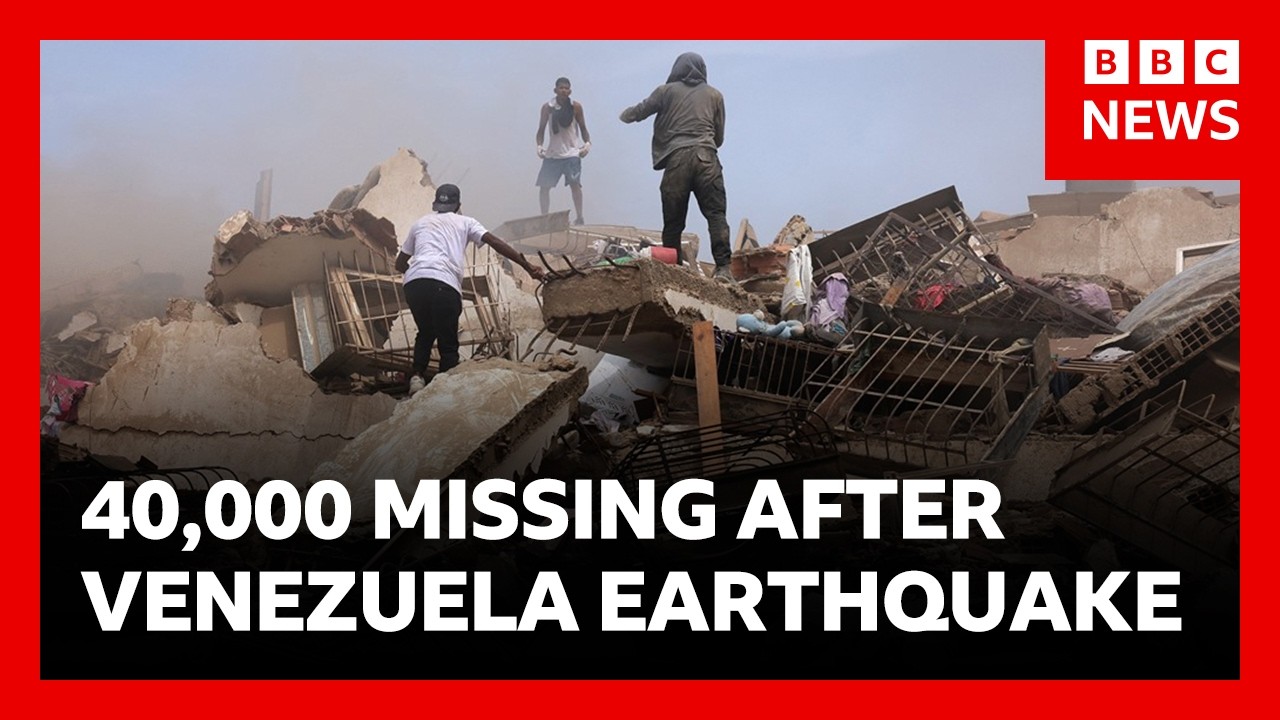
Reports indicate that at least 188 fatalities have been confirmed, but experts express grave concern that the death toll could escalate into the thousands as search and rescue operations continue. Rescuers have been painstakingly combing through the rubble of collapsed buildings in search of survivors, often hearing cries for help as they navigate through the shattered remains of what were once homes and businesses.
The initial impact was felt widely, with tremors resonating across the northern region of the country. Vanessa Silva, a BBC producer based in Caracas, described the scene in the capital. "The worst affected area is La Guaira, which saw multiple buildings flattened," she reported. Eyewitnesses recounted their experiences in harrowing terms. "It was like a horror movie," one resident said, recalling the frantic flight down the stairs as their home crumbled around them.
Emergency services mobilized quickly, attempting to extricate those trapped under debris. Amidst the chaos, families faced uncertainty and despair. "I just want to know where my son is," pleaded a distraught parent, highlighting the emotional toll this disaster has inflicted on families across the region. As rescue efforts progressed, the grim task of body recovery also began, adding another layer of sorrow to an already chaotic situation.
The geological factors contributing to the earthquake’s devastating impact are significant. Both quakes were shallow, originating just 10 kilometers beneath the Earth’s surface. This proximity intensified the shock, making the structural failings more catastrophic than deeper earthquakes might have caused. The seismic activity is attributed to the boundary where the Caribbean and South American tectonic plates converge, a zone notoriously prone to earthquakes.
Historically, Venezuela has faced its share of challenges, with the aftermath of the 1967 Caracas earthquake prompting the implementation of stricter building codes. However, a considerable portion of the housing stock in Caracas—approximately two-thirds of it—does not adhere to these modern standards. This lapse has resulted in devastating consequences as buildings that should have withstood seismic events succumbed to nature’s fury.
The response to the quake has not been solely a matter of national concern; it has drawn international attention as well. The United States offered aid shortly after the disaster struck, an action that signifies a potentially crucial thaw in diplomatic relations. This assistance includes a commitment of $150 million, aiming at facilitating rescue operations and addressing urgent humanitarian needs.
As the rescue efforts continue, authorities are acutely aware of the psychological and social implications of such a disaster. The nation is grappling with the aftermath of not only physical destruction but also the emotional scars that will linger long after the last survivor is pulled from the wreckage. The tragedy has unfortunately unfolded against a backdrop of previous turmoil for Venezuela, including significant economic decline and civil unrest.
While the immediate goal remains the rescue of potential survivors, the long-term ramifications of this catastrophic event must not be overlooked. Recovery efforts will demand immense coordination and support from both domestic and international entities. In the weeks and months to come, the focus will shift from immediate rescue to rebuilding, emphasizing the importance of infrastructure that can withstand future natural challenges.
As Venezuela confronts one of the most significant natural disasters in its history, the road to recovery will be arduous. The nation stands at a crossroads, where resilience and support—both domestic and international—will be essential to navigate the challenges ahead. The images of destruction may fade, but the memory of this tragedy will endure in the hearts of the Venezuelan people.