Navigating the Complexities of Iran’s Nuclear Ambitions and the Strait of Hormuz Climate
As geopolitics evolve, the tensions surrounding Iran’s nuclear program and navigation rights through the Strait of Hormuz remain critical. Recently, retired Vice Admiral Kevin Donigan, a respected expert and former commander of the US Navy Fifth Fleet, shared insights on this volatile landscape. His findings illustrate not only the immediate tactical concerns but also the intricate web of negotiations that underpin international relations in the region.
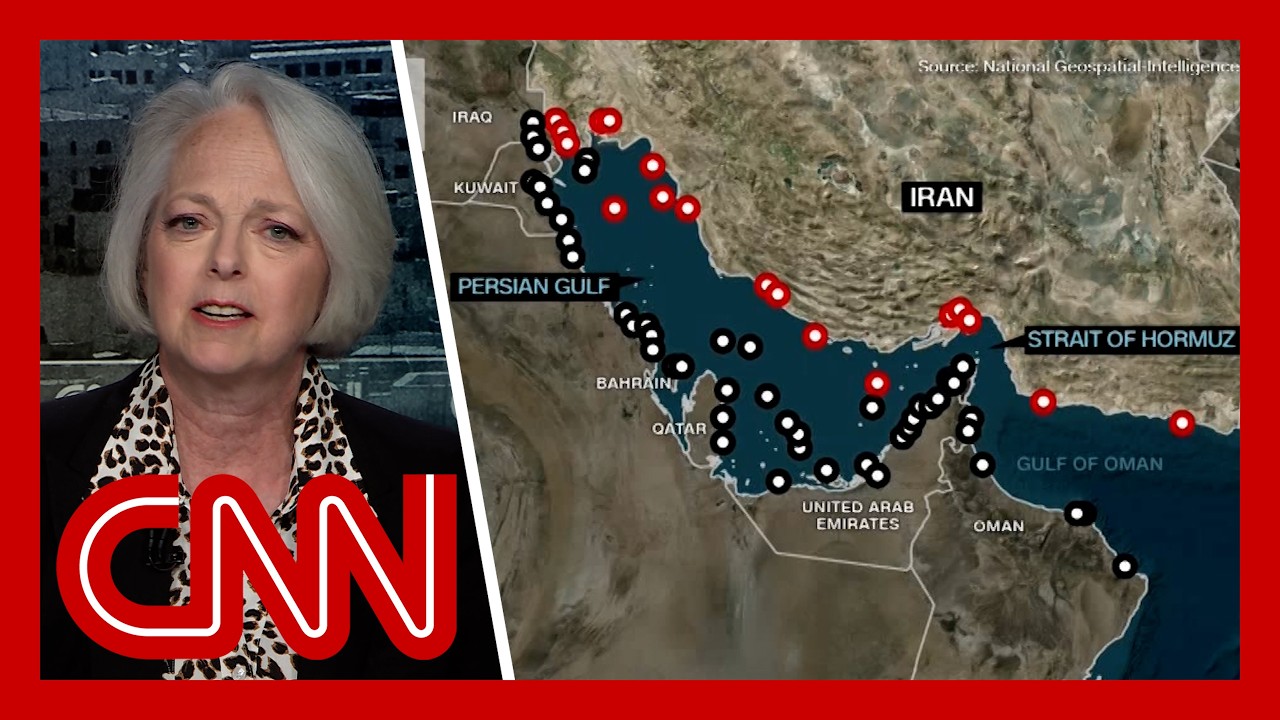
The Strait of Hormuz, a crucial maritime passage for global oil shipments, has increasingly become a focal point for both Iranian maneuvering and US military strategy. Following announcements aimed at reopening the strait, Iran has imposed new shipping restrictions, seemingly as a display of control. According to Donigan, this reaction is emblematic of a broader strategy from Iran, striving to assert dominance over strategic waterways, while the US maintains a blockade on Iranian ports. The interplay of these actions underscores a tactical stalemate, with each side leveraging its assets to gain negotiating power.
One of the most pressing issues revolves around Iran’s uranium stockpiles. Current estimates indicate that Iran has approximately 440 kg of 60% enriched uranium, a quantity concerningly close to weapons-grade levels. The notion of "uranium dust" has been introduced by US officials, symbolizing the remnants of Iran’s nuclear ambitions. The US president has confidently asserted the intention to "retrieve" this material, but the feasibility of such actions raises numerous questions. The complexities of acquiring uranium from potentially well-guarded and damaged sites pose significant operational challenges for US forces, especially amid ongoing tensions.
Donigan emphasizes the continuous monitoring of these stockpiles, pointing out that they have been effectively buried under rubble due to previous strikes. The US and its allies are closely observing Iranian attempts to secure this uranium, but direct military action to retrieve it could escalate into a larger conflict. Diplomatic channels remain essential in these discussions, as a direct intervention would likely prove both costly and hazardous.
Another layer of complication is introduced by the geopolitical ramifications of the US blockade on Iranian ports. As General Gibson remarked, the blockade pressures Iran economically while simultaneously impacting commercial interests in the Gulf. Though it seems to bolster US tactical advantages, the long-term implications on regional stability are uncertain. The prospects for reopening the strait hinge on established safety measures against mines and threats posed by Iranian forces, complicating the shallow waters surrounding logistical navigation.
Moreover, the critical ceasefire between Israel and Hezbollah adds yet another element to this already intricate calculus. As talks progress, there are concerns that escalating tensions could jeopardize continued commercial transport through the strait. The potential for renewed violence could not only disrupt maritime security but also entrench existing hostilities.
In this tense landscape, both military and political stakeholders face an uphill battle. The leverage created by the blockade must be weighed against the need for meaningful outcomes in negotiations, particularly regarding the nuclear issue. General Petraeus highlights that for negotiations to bear fruit, substantial commitments from Iran are essential—not merely temporary stalling tactics but genuine concessions that would defuse the threat of nuclear proliferation.
As we grapple with these crucial developments, it becomes evident that the US’s handling of both the nuclear issue and navigation rights through the Strait of Hormuz will have long-lasting implications for global commerce and geopolitical stability. The complexities at play necessitate a balanced approach involving not only military readiness and strategic positioning but also robust diplomatic engagement aimed at fostering trust and accountability among all parties involved.
In summary, the road ahead is laden with challenges, requiring astute maneuvering on both sides. The events unfolding in relation to Iran’s nuclear program and the Strait of Hormuz will likely shape international relations for years to come, emphasizing the need for a comprehensive strategy that prioritizes stability, security, and cooperation.