Breakdown of U.S.-Iran Negotiations: A Troubling Standstill
What was anticipated to be the commencement of a significant 60-day negotiating period between the United States and Iran has regrettably devolved into an impasse. Vice President J.D. Vance was scheduled to arrive in Switzerland to lead discussions today, but the trip has been abruptly postponed without substantial explanation. This delay is indicative of deeper issues complicating the U.S.-Iran relations, particularly revolving around escalating tensions in Lebanon.
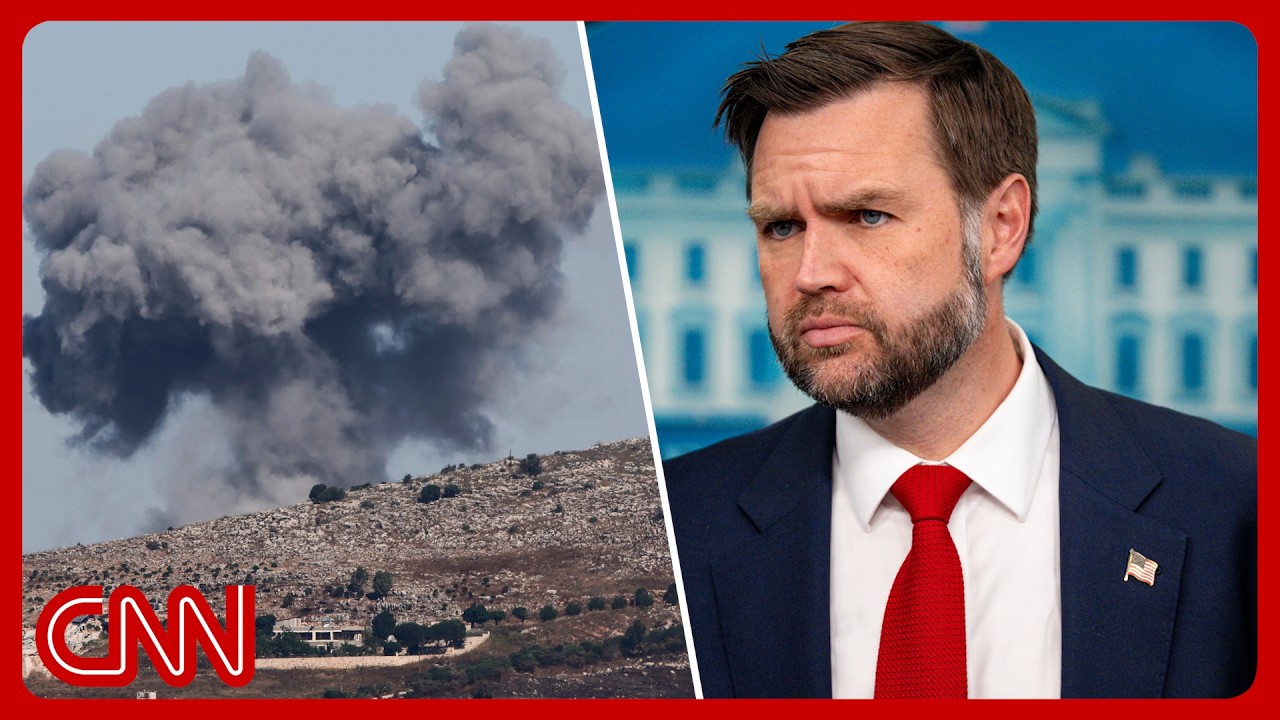
A diplomat disclosed to CNN that Iran is demanding assurances that hostilities involving Hezbollah in Lebanon will cease before it resumes negotiations with the U.S. This ongoing conflict is far from trivial; recently, Israeli forces reported the deaths of four soldiers due to a Hezbollah attack using an explosive device against an Israeli tank. In retaliation, Israeli airstrikes targeted Lebanon, resulting in the deaths of at least 18 individuals, according to Lebanon’s health ministry. Such violent escalations further complicate the already fragile state of diplomacy.
As CNN’s Nic Robertson reported from the picturesque backdrop of Lake Lucerne, Switzerland—an ironic venue symbolizing peace and tranquility—there is a conspicuous absence of the two negotiating parties. The intended discussions aimed to outline the terms of a Memorandum of Understanding (MOU) between the U.S. and Iran. However, a significant sticking point has emerged: Iran insists that the first line of the MOU must include a ceasefire in Lebanon, a condition that Israel has seemingly ignored by engaging in military activity in the region.
The crux of the dilemma lies in the multifaceted nature of regional geopolitics. Iran views its influence in Lebanon, particularly through Hezbollah, as essential to any agreement. Meanwhile, Israeli Prime Minister Benjamin Netanyahu emphasizes Israel’s need for security against threats posed by Hezbollah, particularly as attacks continue. This dynamic raises crucial questions: Can U.S. pressure compel Israel to de-escalate, or will this conflict continue to serve as a barrier to negotiations?
Historical context reveals that Lebanon has long been a contentious topic in Middle Eastern diplomacy. Previous rounds of negotiations have stumbled over this very issue. The MOU seems like a fragile framework that is vulnerable to external shocks, especially from actors not directly involved in the discussions. Until both the U.S. and Iran can agree on terms that also satisfy Israel, the MOU risks becoming mere rhetoric rather than a blueprint for peace.
In discussing the recent failure to initiate talks, experts argue that this situation warrants caution. The MOU is explicitly non-binding for Israel and Hezbollah, meaning that Iran holds the strategic advantage in leveraging the situation in Lebanon as an excuse to postpone discussions. Essentially, if Hezbollah continues to mount attacks, Iran can claim the conditions for talks remain unfulfilled.
Further complicating matters, Vice President Vance has faced criticism from elements within the Israeli government, who express skepticism about the deal’s efficacy. His response underlines the delicate interplay between U.S. foreign policy and Israeli security concerns. The Vice President pointed out that resolving national security issues cannot solely rely on military might, urging for solutions that incorporate diplomatic engagement.
As parties attempt to navigate this labyrinth of geopolitical interests, several Republican senators have expressed their apprehension about the deal, particularly concerning alleged funding routes for Iranian activities. Concerns center around a proposed Reconstruction and Development Fund, seen by critics as potentially allowing Iran access to billions of dollars. Such financial considerations raise further alarm about Iran’s capacity to support militant activities across the region, particularly against Israel.
The specter of Iran continuing its aggressive posture, while simultaneously negotiating for peace, presents a troubling dichotomy. Both sides appear entrenched in their positions, with Iran demanding respect for its territorial influence in Lebanon and Israel resolute in safeguarding its security. In this quagmire, it remains to be seen whether the U.S. can facilitate productive dialogue or if the region will be condemned to further cycles of violence.
In the context of this protracted negotiation, it is apparent that constructive engagement requires more than mere dialogue. It necessitates an understanding of the complicated realities on the ground and the willingness of all parties—especially Israel and Iran—to take steps toward de-escalation. Until such actions are realized, the hopes for meaningful discussion will remain distant.