Legal Battles and Political Implications: A Deep Dive into Trump’s Recent Supreme Court Losses
The intricacies of U.S. law and its intersection with politics often generate heated discussions, particularly when prominent figures are involved. Recently, significant rulings from the Supreme Court have marked a turbulent period for former President Donald Trump, underscoring the complexities of executive power and the implications of ongoing legal challenges.
In a noteworthy victory, Trump managed to expand executive power in a separate context. However, this gain was overshadowed by substantial defeats at the Supreme Court, particularly regarding his attempts to overturn the jury’s ruling in the Jean Carroll case. The jury had determined Trump liable for sexual abuse and defamation, leading to a monetary judgment of approximately $5 million. Trump, in a response laden with defiance via social media, asserted that he would continue fighting the alleged “weaponization” of the legal system against him, framing this as a threat not only to himself but to the very fabric of American democracy.
This ruling forms part of a broader narrative involving multiple women who have accused Trump of sexual misconduct over the past few decades—Carroll being one among at least 27. The significance of these allegations cannot be overstated when considering Trump’s public denials regarding his relationships with women such as Karen McDougal and Stormy Daniels. These claims led to his criminal felony convictions, further complicating his legal battles.
As Trump grapples with these legal setbacks, his recent losses at the Supreme Court extend beyond personal legal matters. The rulings reflect, in part, a stark reality: even a court appointed with judges perceived as favorable to him is not guaranteed to rule in his favor. This situation exemplifies a critical distinction in the judiciary: justices, regardless of their appointment origins, are tasked with interpreting the law impartially.
Interpreting Trump’s legal losses, observers point out that these rulings convey an essential message about the judiciary’s role. For instance, Chief Justice John Roberts emphasized this decision-making process, which seeks to "call balls and strikes," akin to the responsibilities of an impartial arbiter. This sentiment was echoed in how justices across the spectrum aligned on certain key opinions, suggesting a commitment to upholding constitutional principles over partisan biases.
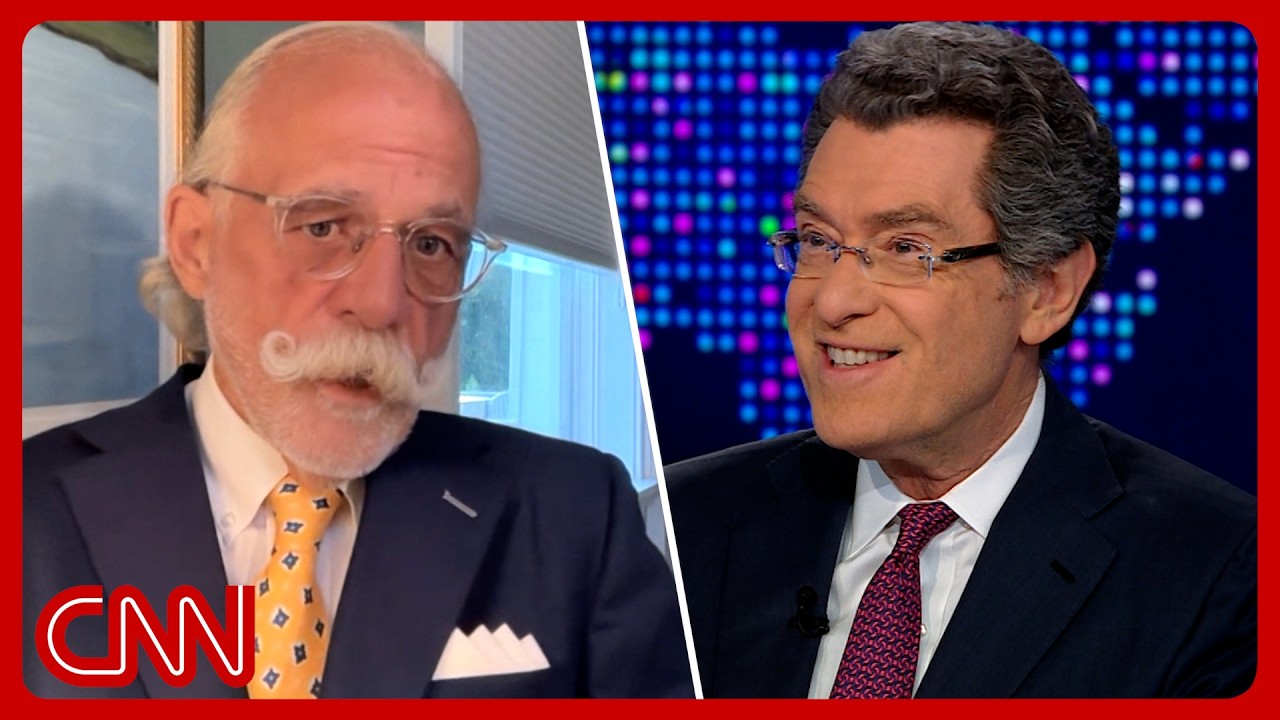
In the recent complex landscape, another focal point is the case involving Federal Reserve Governor Lisa Cook. The Supreme Court’s decision allowed her to retain her position, which has broader implications for the independence of federal agencies. Cook’s legal team highlighted that the Supreme Court recognizes the need for independent oversight in the Federal Reserve as crucial for both the U.S. and global economies. While expressing satisfaction over the ruling, Cook’s attorney, Norm Eisen, stressed that any future challenges against her position would depend heavily on the factual basis of the allegations, setting a rigorous standard for removal from office.
Dividing opinions remained evident during the discussions surrounding the potential for rulings on contentious issues such as birthright citizenship. Many legal analysts speculate that the Supreme Court may reaffirm established precedents on this matter, emphasizing that rights afforded under the Constitution should not be easily undermined. A unanimous ruling is anticipated, indicating a resolve from the court to uphold foundational American values amidst ongoing political upheaval.
However, some voices within the legal community express caution about the potential for partisan endeavors influencing future cases involving Trump. The legal environment is turbulent, and doubts linger regarding the fairness of investigations and potential indictments against him. Eisen emphatically rejected the notion of an impending indictment against Cook, asserting that recent court rejections of similar cases send a clear message about the sanctity of legal processes and protections against politically motivated allegations.
As the anticipation for forthcoming rulings builds, it is clear that the implications of these legal decisions transcend individual cases, shaping the future of both the judiciary and executive action in the United States. It remains to be seen how Trump will navigate these challenges as he vocalizes his commitment to resisting what he characterizes as an unjust legal system. The ongoing legal battles serve as a reminder of the complexities inherent in the relationship between law and politics in a democratic society. As these proceedings unfold, the importance of impartiality in judicial decisions cannot be overstated.