The Current State of US-Iran Relations: Insights into Ongoing Negotiations
In the complex web of geopolitics, the ongoing conflict involving the United States, Israel, and Iran remains a focal point of international concern. Today, we delve into the recent developments regarding US-Iran negotiations, shedding light on the intricate diplomatic dance unfolding in the Middle East.
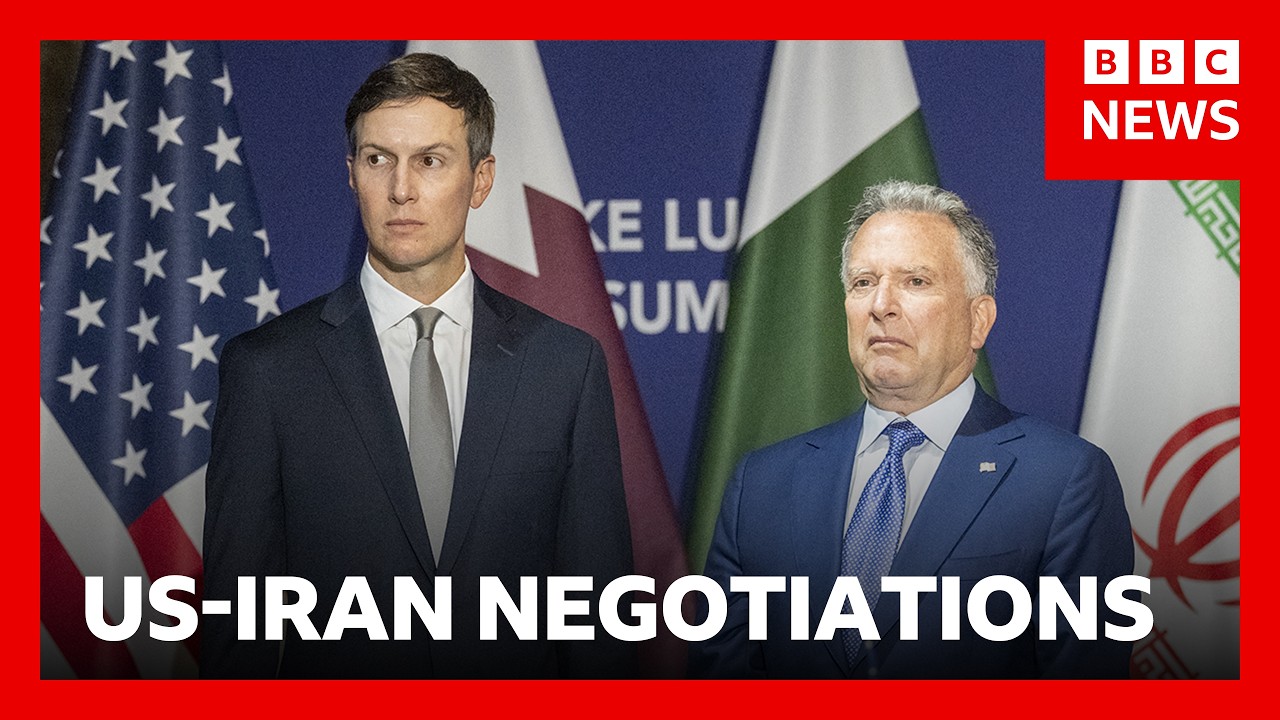
US Special Envoy Steve Whitkoff and Jared Kushner, President Donald Trump’s son-in-law, are currently participating in discussions in Doha, Qatar. This small Gulf emirate is playing an unexpected role as a mediator, drawing from its long-standing diplomatic traditions. However, Iranian officials have asserted that they have no intention of meeting directly with US negotiators, heightening the tension surrounding the proceedings.
The backdrop of these negotiations is a series of hostilities sparked over the Strait of Hormuz. This vital waterway has been the stage for tit-for-tat attacks between US and Iranian forces, leading to fears about global shipping security. The absence of direct talks between the parties raises questions about the effectiveness of an intermediary, despite Qatar’s efforts to facilitate dialogue.
While President Trump remains optimistic, stating on social media that Iran has requested a meeting, Iranian representatives have countered, indicating that the discussions in Doha are unrelated. This divide underscores the deep-rooted mistrust that characterizes US-Iran relations, complicating any prospects for a lasting agreement.
In Washington, White House correspondent Bernd Debusmann echoed these sentiments. The talks are ostensibly aimed at implementing a 14-point memorandum of understanding intended to extend the ceasefire between the US and Iran. Yet, even as the administration expresses cautious hope, Trump himself has tempered expectations, suggesting that the meeting’s significance might be limited.
Against this complex backdrop, another layer has emerged—comments made by US Homeland Security chief Mark Wayne Mullins regarding Iran’s elimination from the World Cup, which have drawn fire from Iranian officials. His remarks have added a provocative tone to an already sensitive relationship.
Iran’s refusal to meet directly with US officials like Whitkoff and Kushner stems from a history of perceived betrayals. The Iranian government has accused the US of breaking agreements while negotiations are in progress. As a result, conversations are occurring indirectly, with Qatari and Pakistani diplomats facilitating communication.
Special correspondent Kasra Naji provided insight into the ongoing talks. He emphasized the embedded mistrust that complicates negotiations and asserted that while direct discussions are currently off the table, technical exchanges are still occurring. This intricate dance of diplomacy, however, is fraught with skepticism.
For Qatar, the stakes are high. Once hesitant to act as a mediator, the country has recently stepped into this diplomatic role, primarily due to its vulnerabilities arising from the ongoing conflict. Their history of negotiations, particularly with the US, has positioned Qatar as a critical orchestrator of dialogue in these tumultuous times.
Shifting focus to Lebanon, the militant group Hezbollah has outright rejected a ceasefire deal established between Israel and the Lebanese government. The dynamics here add another layer of complexity, as Israeli Prime Minister Benjamin Netanyahu affirms that Israel’s military presence will persist in southern Lebanon as long as Hezbollah poses a threat. Observers note that the terms of disarmament tied to Israel’s withdrawal are seen as unrealistic, creating further tension in the region.
As this multifaceted situation continues to evolve, analysts remain wary of potential outcomes. International editor Jeremy Bowen remarked on the complexity of current negotiations. The discussions surrounding navigation rights through the Strait of Hormuz accentuate Iran’s strategic role in global oil supplies. As long as tensions persist, the risk of escalation remains palpable.
Looking ahead, the timeline discussed includes a 60-day window for negotiations, likely to be extended. With the stakes so high and numerous issues still on the table, including Iran’s nuclear ambitions, the path toward a peaceful resolution seems fraught with challenges.
In summary, the current state of US-Iran relations reveals a landscape marked by mistrust and strategic maneuvering. The intricate negotiations unfolding in Doha exemplify the delicate balance required to navigate these treacherous waters. As international observers watch closely, the next steps will be pivotal in shaping not just regional dynamics, but also global security.