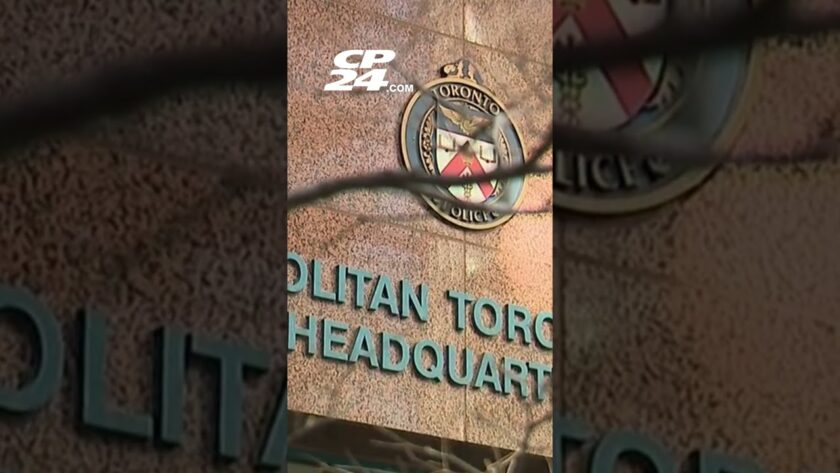
Addressing Public Safety and Community Well-Being: Toronto’s Recent Challenges and Initiatives
Recent events in Toronto have brought to light pressing issues concerning public safety, particularly targeted violent incidents, vehicular accidents, and roadway fatalities. As investigations unfold, the city is simultaneously focusing on preventive measures aimed at improving community safety and well-being.
Targeted Violence and Community Concerns
In a troubling trend, recent weeks have seen multiple arrests related to shootings that specifically targeted Toronto’s Jewish community. These incidents involved gel blaster guns, which, despite being non-lethal, have incited significant fear and anxiety among residents. Toronto police reported that three men and a teenage girl are facing charges. Investigators noted that these attacks appeared to be organized, with victims easily identifiable due to their association with the Jewish community. This situation underscores a broader issue of public safety, as emphasized by law enforcement officials.
The police have urged that such acts not only impact the direct victims but also engender fear in countless others who may share similar identities or community ties. Thus, the need for community engagement and support is paramount in addressing the aftermath of these targeted incidents.
A Rise in Roadway Incidents
Parallel to the rising fear from targeted violence, Toronto has faced a string of serious vehicular accidents. Recent reports indicate that multiple individuals, including a cyclist and a pedestrian, have sustained injuries due to collisions. In one notable incident, a female cyclist in her twenties was struck by a vehicle, resulting in serious but non-life-threatening injuries. Another crash involved a pedestrian hit by a pickup truck, raising concerns about pedestrian and cyclist safety on the city’s busy roads.
Toronto police have reported a worrying 22% spike in traffic-related fatalities compared to the previous year. Sergeant Carrie Schmidt emphasized the importance of seat belt use, noting that 26 of these deaths were directly attributed to individuals not wearing seat belts. These figures illustrate the dire need for public awareness and policy measures to enhance road safety.
A Proactive Approach: The Summer Safety Plan
In response to these distressing trends, the City of Toronto has launched its Summer Safety Plan, aimed at engaging youth and reducing crime. Mayor Olivia Chow announced a $5 million investment to support various programs designed to keep young people occupied and deter them from pathways that may lead to violence or crime. This initiative is part of a broader strategy to create safe, healthy environments where youth can thrive.
Programs funded by this initiative will offer opportunities in arts, sports, job training, and mental health services. Last year, the city engaged over 15,000 youths through similar initiatives, making a measurable impact on community safety.
The importance of keeping children and teenagers engaged, especially during the summer months, cannot be understated. Jacob, a youth participant in the previous year’s program, highlighted the transformative effect these initiatives had on his life, enabling him to build skills and pursue entrepreneurship.
The Road Ahead: Education and Partnership
With contract negotiations set to commence between the Ford government and education unions representing Ontario’s education workers, there is hope for collaborative efforts to address the challenges faced within schools. The unions are calling for smaller class sizes, better funding for special education, and higher wages for educators. If these negotiations do not yield satisfactory results, the risk of labor disruptions could add to the existing concerns about the educational landscape in the province, which has already been strained due to recent violent occurrences.
As Toronto navigates these multifaceted challenges, the emphasis on community collaboration, proactive safety measures, and supportive educational environments will be crucial. Engaging all stakeholders—including law enforcement, government officials, educators, and community leaders—will be essential to fostering a safer, more inclusive atmosphere for all residents.
In summary, while the city grapples with rising violence and roadway accidents, initiatives like the Summer Safety Plan demonstrate a commitment to holistic community well-being. The collective efforts of the community, directed towards prevention, education, and support, can pave the way for a brighter, safer Toronto.