Iraq’s Anti-Corruption Campaign: A New Era or a Temporary Measure?
In a decisive move, Iraq’s new Prime Minister, Ali Zadi, has initiated a comprehensive anti-corruption campaign, aimed squarely at addressing the rampant corruption plaguing the nation. In the past few days, numerous politicians and senior officials have been detained in coordinated raids. These efforts represent an ambitious beginning in the struggle against corruption within state institutions, a challenge that has persisted long before Zadi’s arrival. Despite the boldness of these initial actions, many experts remain skeptical about the sustainability of this campaign.
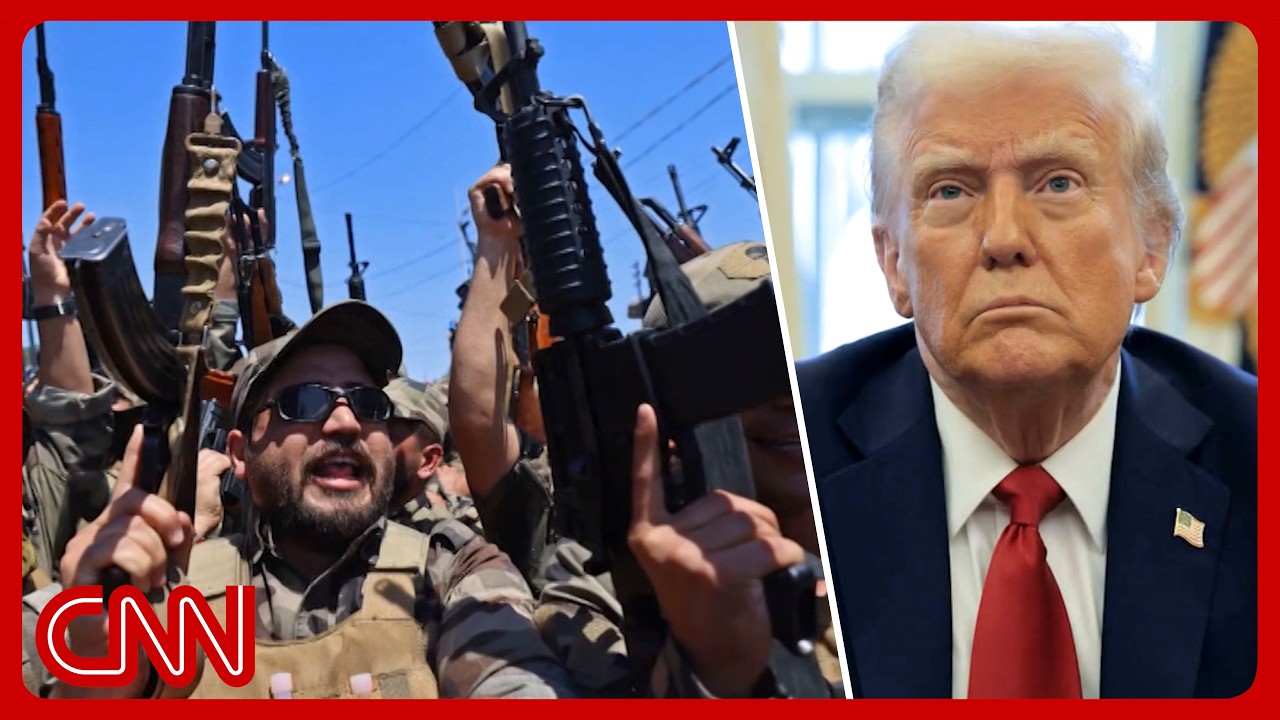
Corruption has been identified as one of the most critical issues facing Iraq. The country, rich in resources, remains unable to provide essential services, such as electricity, even over two decades after the war that ousted Saddam Hussein. The underlying cause? Corruption runs deep, infecting various sectors and enabling the existence of militias that perpetuate instability. Each incoming prime minister has promised to combat this issue, but the results have often been meager at best.
Zadi’s approach is distinct. He is not acting alone; he is collaborating closely with the judiciary and security forces. The primary mechanism for these operations involves the counterterrorism forces that report directly to him. According to many Iraqis, these arrests represent a genuine attempt to tackle the systemic corruption that has long been tolerated within the government. However, observers caution that this effort is only a fraction of the broader issues tied to Iraq’s kleptocracy, which is deeply entrenched and multifaceted.
The geopolitical dimension of Iraq’s corruption cannot be understated. The prime minister’s actions are also perceived within the context of U.S. support, which has significantly empowered his government to undertake these bold steps. The relationship between Iraq and Iran adds another layer of complexity. Iran’s influence has proliferated due to the porous 800-kilometer border, allowing for seamless transits of military and financial resources. Amidst the recent anti-corruption initiatives, the specter of Iranian-backed militias looms large.
Zadi is poised to visit Washington next month, where his relationship with the Biden administration will be scrutinized. The U.S. has been vocal about its expectations, emphasizing accountability in the fight against Iranian influence in Iraq. American officials have made it clear that their support for Zadi hinges on his commitment to pushing back against militias. Tom Barak, the U.S. special envoy, has taken on a crucial role in these discussions, signaling the importance of Zadi’s ability to address Iran’s encroachment.
Complicating matters further is the current lack of a fully formed government. Key positions, such as the Minister of Defense and Minister of Interior, remain unfilled. These voids in governance may hinder the efficacy of Zadi’s campaigns against corruption and militias. The U.S. has launched operations like "Economic Fury," aimed at sanctioning Iranian entities and local militia groups in Iraq. These interventions highlight the urgency of curbing the flow of resources that finance corrupt practices.
The recent diplomatic movements in the region provide additional context for Iraq’s role. The Iranian Foreign Minister’s recent visit to Baghdad, juxtaposed with the Iraqi Foreign Minister’s trip to Damascus, underscores Iraq’s delicate position between competing regional powers. As Baghdad seeks to mediate and offer a neutral ground for discussions, it faces the challenge of shedding perceptions of Iranian dominance.
In summary, while Prime Minister Zadi’s anti-corruption initiatives are a welcome and necessary development, the long-term success of these efforts remains uncertain. The combination of internal political challenges, entrenched corruption, and external pressures from Iran and the United States complicates the landscape. However, if Iraq can stabilize and emerge as an influential player in the region, it may present an opportunity for renewed hope, not just for its citizens but for the entire Middle East. The coming months will be critical in determining whether this anti-corruption campaign marks the dawn of a new era or merely a fleeting attempt at reform.