Memorandum of Understanding: Iran and the U.S. Deal Analysis
Recent developments in the negotiations between the United States and Iran have elicited widespread attention, particularly following the signing of a memorandum of understanding (MoU). While key figures have hailed the agreement as a significant step towards peace, a substantial degree of skepticism looms, especially regarding its transparency and long-term implications.
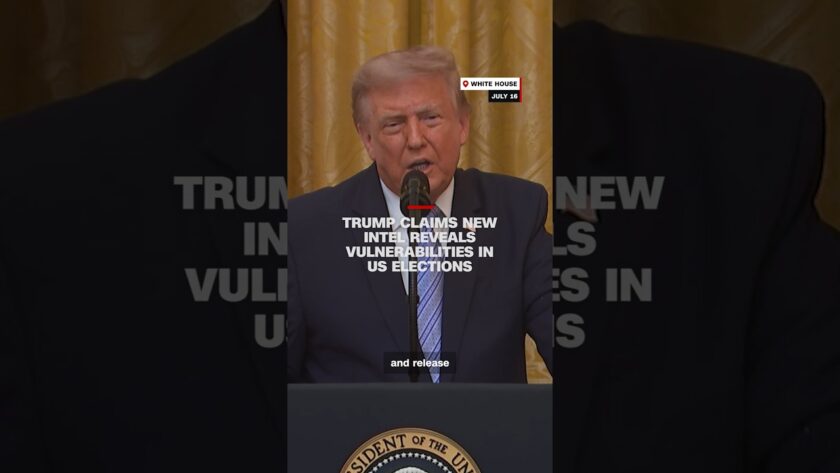
The agreement, reportedly brief at a page and a half, has not been made publicly available in its entirety. This lack of transparency raises pressing questions: Why hasn’t the full text been released? Some analysts suggest that revealing the details might embarrass the administration or weaken its negotiating position. The president himself, Donald Trump, has shown ambivalence towards the implications of this deal, emphasizing that if it does not yield favorable outcomes within 60 days, the U.S. could revert to military action.
While the deal has drawn mixed reviews, it remains clear that Iran’s commitment to not developing nuclear weapons is a central tenet. However, critics argue that Iran has made similar pledges in the past, leading to doubts about its sincerity this time. One prominent figure during discussions, a foreign leader attending the G7 summit, expressed heightened expectations regarding the agreement but underscored the necessity for vigilant implementation.
In a climate rife with mistrust, questions arise about the strategic calculus underpinning the U.S. stance. Some political analysts have characterized the MoU as a yielding of leverage to Iran, portraying it as tantamount to surrender. This perspective reflects long-standing concerns about Iran’s geopolitical maneuvering and its history of aggression across the region. Yet, proponents argue that given existing tensions, pursuing dialogue may be the only viable alternative to escalation.
The dynamics of the discussions have shifted notably. Initially, Trump had sought to dismantle Iran’s missile capabilities entirely, asserting that such measures would bolster national security. However, the narrative has begun to evolve; the administration has now indicated that some missile development by Iran might be justifiable if framed within the context of self-defense. This reversal suggests a significant departure from earlier, more hardline positions and exposes the complex, often contradictory nature of U.S.-Iran relations.
Looking ahead, the next steps following this MoU pose another set of challenges. Will Iran genuinely adhere to its commitments? What mechanisms have been put in place to ensure compliance? The U.S. must tread carefully; failure to enforce the terms of the agreement could embolden Iran’s regional ambitions.
Critics within the political landscape have hushed fears regarding the alleged “humiliation” of U.S. leadership. By engaging in negotiations instead of outright confrontation, the administration may, in fact, be navigating a prudent path. In a world rife with conflict, pursuing dialogue can construct bridges rather than walls.
Nevertheless, significant segments of the U.S. populace remain skeptical about the efficacy of any agreement with Iran. Multiple polls indicate that many Americans harbor a fundamental distrust of Iran’s intentions, largely stemming from its history of sponsoring terrorism and regional destabilization.
The contours of American politics further complicate the situation. Congressional action is likely to influence the administration’s bargaining tactics. As both parties gear up for upcoming elections, lawmakers will scrutinize whether the administration’s approach to Iran resonates with constituents anxious about national security and international relations. Bipartisan support is crucial for sustainable policy shifts, particularly in sensitive geopolitical contexts.
Conclusively, the recent agreement with Iran represents a pivotal moment in U.S. foreign policy. Its success hinges on transparency, trust-building measures, and a commitment to follow-through from all parties involved. In an era marked by global upheaval, the balance between diplomacy and military readiness remains as pertinent as ever. The stakes are high, and as the world watches, the real test is yet to come: Will this agreement lead to lasting peace or serve merely as a prelude to renewed conflict? Only time will tell.