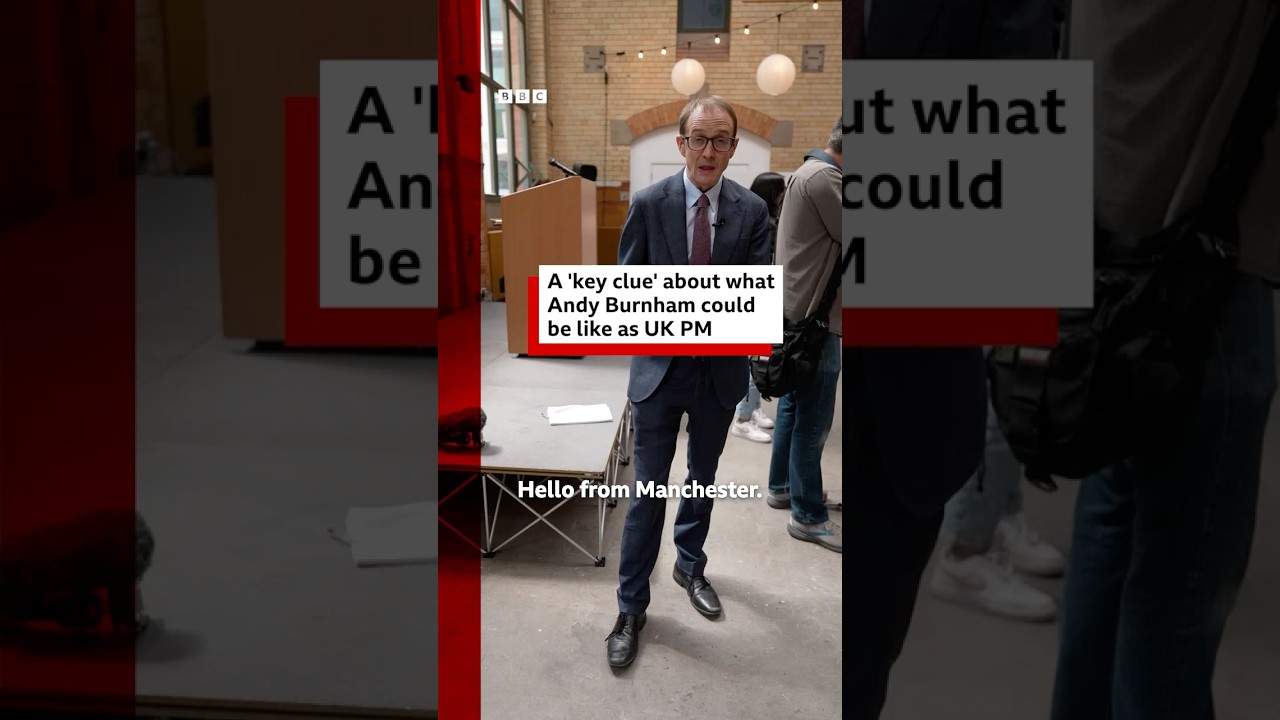
In a significant address in Manchester, Andy Burnham articulated his vision for the future of the United Kingdom should he assume the role of Prime Minister. His speech, delivered amid a fervent political climate, offered a glimpse into his leadership philosophy that prioritizes decentralization and empowerment of local governance.
At the heart of Burnham’s message lies a commitment to learning from his nearly ten-year tenure as Mayor of Greater Manchester. He emphasized the importance of taking lessons from his experience, particularly regarding how local authorities can better serve their communities. Burnham’s approach suggests a transformative vision, wherein the government operates not just from the customary heights of Westminster, but resonates across the country’s cities and regions.
One of the core tenets of his agenda is the concept of devolution. While political devolution has already made strides within the UK, Burnham believes there is untapped potential that could “turbocharge” local governance. This perspective challenges the traditional, centralized model of governance that has dominated British politics for decades. He contends that real change happens at the grassroots level, suggesting that decisions made in communities are far more effective than those passed down from the top.
Burnham’s ambition to “rewire Britain” reflects a sense of urgency. He draws attention to the idea that citizens should feel the immediate impacts of governance in their daily lives. The notion that political decisions should be visible and beneficial to the people they directly affect is pivotal to his vision for the future. In this way, he seeks not just to reform policies but to reshape the relationship between government and its constituents.
At the core of this strategy is the belief that local leaders and mayors should wield more influence. Burnham suggests that empowering local authorities can lead to better outcomes in areas such as housing, education, and public health. By reallocating power from Westminster, he aims to address issues more intimately connected to people’s lived experiences. After all, the challenges faced by a community in Manchester may differ significantly from those in a rural village in Cornwall.
Moreover, Burnham’s emphasis on devolution also carries a socio-economic dimension. He acknowledges that while cities can be engines of growth, they are often hampered by restrictions imposed at the national level. By granting regions greater autonomy, Burnham believes that cities can better navigate unique challenges, thereby promoting innovation and growth more effectively.
His speech resonated particularly with those who have experienced the limitations of bureaucratic governance. Citizens often feel disconnected from the decision-makers in Westminster, and Burnham’s proactive approach could serve to bridge this gap. His focus on improving local governance is a clarion call for a more engaged citizenry and a government that listens to its constituents.
In the context of a rapidly changing socio-political landscape, Burnham’s vision is both timely and necessary. He prepares to challenge the status quo, advocating for a system where power is distributed rather than concentrated. This framework is not merely an abstract concept; it is a tangible goal aimed at enhancing the quality of life for average citizens.
As he moves forward—and with a pivotal election looming in just three weeks—Burnham’s proposals require careful consideration. What must accompany this shift in power dynamics is a commitment to accountability and transparency. Citizens will need to see how this devolution translates into practical improvements in their lives. The promise of empowerment must not become an empty phrase but a tangible reality.
In summary, Andy Burnham’s speech in Manchester outlines a bold and detailed vision for his potential premiership. By championing the cause of devolution and local autonomy, he seeks to redefine the future of governance in the UK. In doing so, he hopes to create a system that not only reflects the needs of its citizens but actively engages them in the political process. As the electorate prepares to make crucial decisions, Burnham’s proposals offer a fresh lens through which to view the future of British politics. Whether he can deliver on this vision remains to be seen, but the conversation he is initiating is undoubtedly valuable.