The Emergence of Hezbollah’s Deadly Drone Arsenal: A New Challenge for Israel
In recent months, Hezbollah’s tactical evolution has presented a formidable challenge to one of the world’s most powerful militaries—Israel. The Lebanese militant group has integrated drones into its arsenal, employing these inexpensive and lethal devices with alarming effectiveness. The implications of this development are significant, both for Israel’s military strategy and for the broader geopolitical landscape in the region.
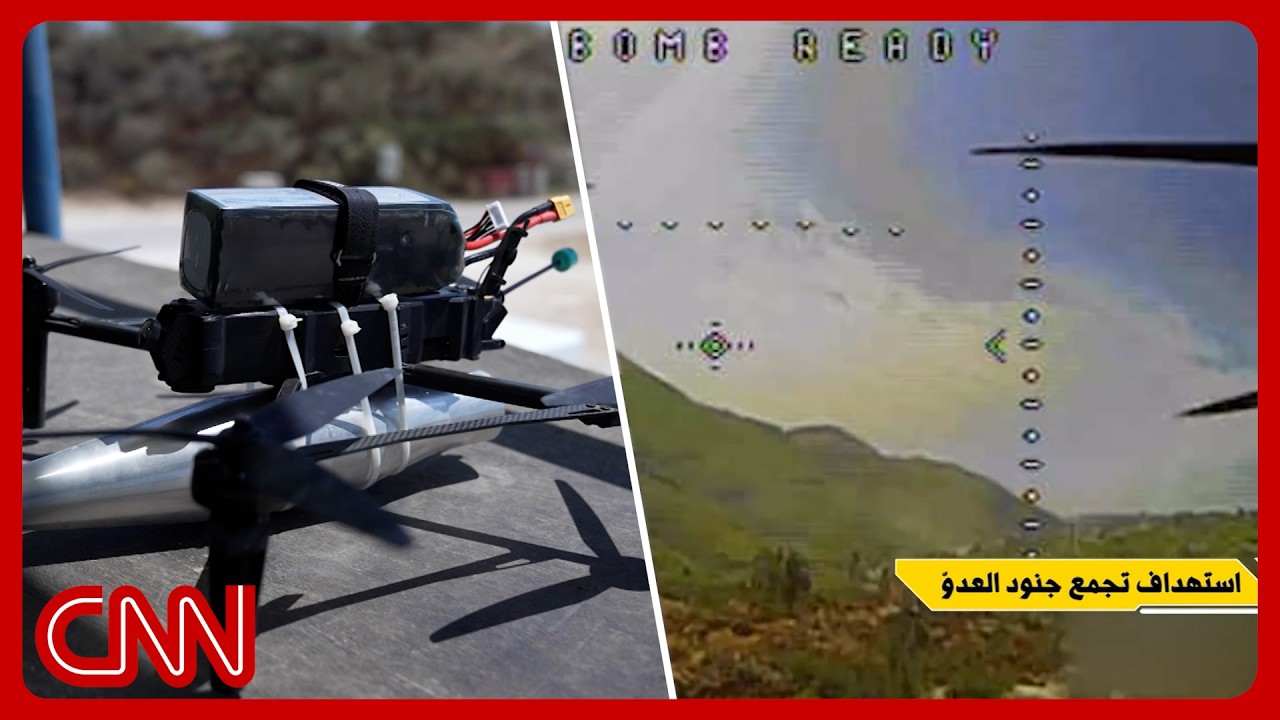
A recent incident highlights the effectiveness of Hezbollah’s new weaponry. A drone, operating in undetected silence over southern Lebanon, targeted a group of Israeli soldiers, resulting in the first fatality of its kind. The 19-year-old sergeant’s death marked not just a loss but a tactical evolution in how conflicts are conducted. Hezbollah has reportedly utilized similar drones to kill at least 12 Israeli soldiers since the outbreak of hostilities in March, with these incidents constituting nearly one-third of all Israeli combat fatalities recorded in the current conflict.
What makes these drones particularly perilous is their use of fiber optic tethering, which allows for real-time video feed while avoiding the radio signals typically associated with drone operations. This technology, familiar to Ukraine in its confrontations against Russian forces, has apparently gone underappreciated by Israeli military intelligence. The tactical stealth offered by these drones complicates Israel’s traditional advantages in warfare and defense systems.
In response to this emerging threat, Israel has quickly adapted its military tactics and technology. Efforts are underway to deploy protective measures such as mesh netting designed to safeguard troops in vulnerable areas. Israeli soldiers are now equipped with shotguns and specialized ammunition intended to neutralize approaching drones. Moreover, the military is collaborating with the tech sector to develop acoustic, optical, and radar-based sensors capable of detecting these stealthy drones, underscoring a proactive approach to a rapidly evolving battlefield.
Despite the cease-fire, the conflict continues to simmer, with both sides engaged in ongoing attacks. The urgency to find effective countermeasures remains paramount. Meanwhile, Israel has announced a temporary reduction of forces in Lebanon and Gaza as a strategic maneuver that may influence ongoing negotiations. However, reports indicate that this withdrawal does not equate to relinquishing territorial control, keeping Israel’s military presence firmly entrenched in the region.
The broader implications of this conflict extend to international relations, particularly regarding Hezbollah’s ties to Iran. U.S. officials, including Secretary of State Marco Rubio, emphasize the need for the Lebanese army to regain territory lost to Hezbollah. But achieving this goal is anything but straightforward, as the Lebanese military lacks the training and resources necessary to counter Hezbollah effectively, especially given its Iranian backing.
Adding to the complexity, the situation on the ground is marked by widespread humanitarian crises. In Beirut, over a million people have been displaced, a clear sign of the war’s toll on civilian lives. The ramifications of this conflict are felt nationwide, with some areas entirely devastated, historic sites obliterated, and essential services severely disrupted. Amidst this backdrop of despair, a dual narrative has emerged concerning public sentiment toward Hezbollah. On one hand, many Lebanese citizens are outraged at being dragged into a conflict they did not initiate. Conversely, there is a growing sense of solidarity with Hezbollah, viewed by some as their only defense against perceived external aggression.
In navigating this complex scenario, the international community faces significant challenges. Miscalculations have been made regarding the ability to strengthen the Lebanese state without involving non-state actors like Hezbollah. The realities of this protracted conflict require a nuanced understanding of both military engagement and the socio-political landscape of Lebanon.
As Hezbollah continues to wield its drone capabilities with deadly precision, Israel finds itself at a crossroads. The need for strategic innovation becomes ever more urgent, not only to safeguard its soldiers but to reestablish a sense of stability in a region fraught with uncertainty. The interplay between military strategy, public sentiment, and international diplomacy will ultimately shape the future of both Lebanon and Israel in this ongoing conflict.