The Evolution of Affection in Long-Term Relationships
In a world that evolves at breakneck speed, one wonders how personal relationships adapt over time. The question is not merely about the commitment or the love that sustains a marriage, but also about the rituals of intimacy that define it. A recent light-hearted exchange about kissing after 16 years of marriage has shed light on this complex topic, illustrating the shifting dynamics that often accompany long-term partnerships.
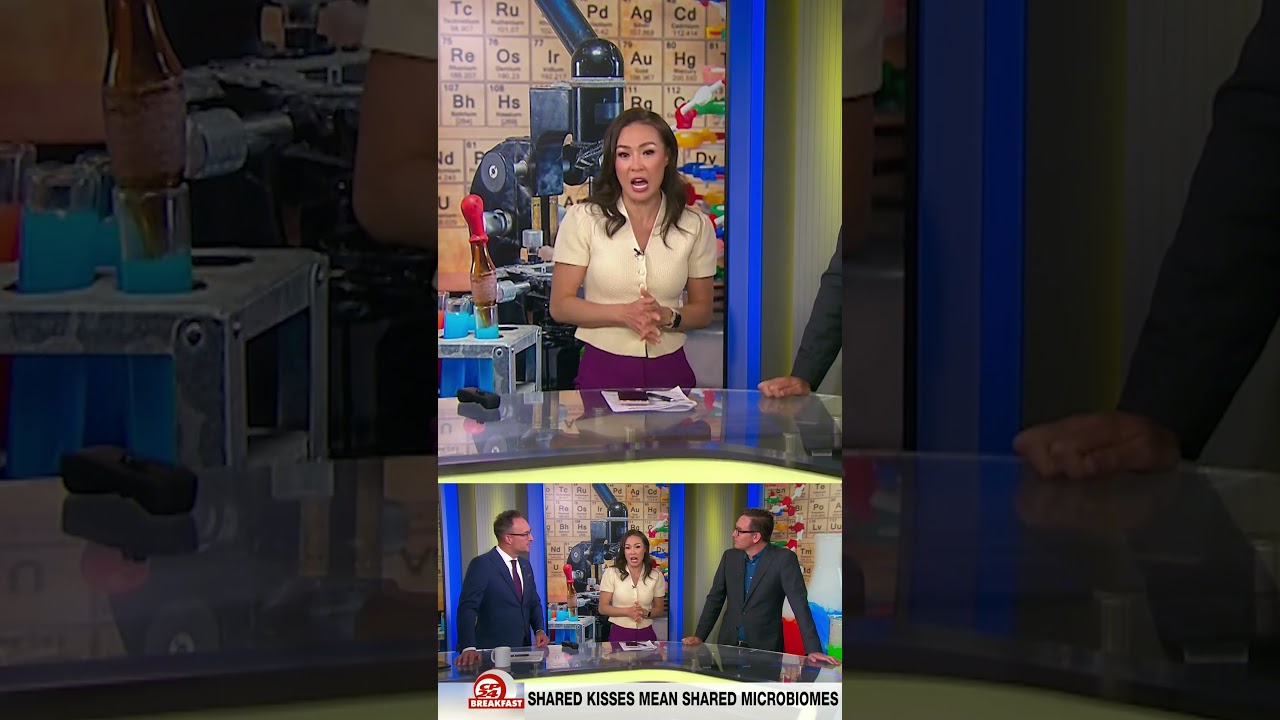
Imagine a couple who, after over a decade of shared life, find themselves looking back at their physical expressions of love. A playful discussion arises about the practicality of French kissing. "That’s gross," one partner quips, eliciting laughter from those around them. This candid admission encapsulates a sentiment that may resonate with many long-term couples: intimacy can evolve, sometimes in unexpected and humorous ways.
The dialogue reflects a common trajectory in relationships. Initially, the thrill of romance—marked by passionate kisses and intimate touches—dominates. A couple might laugh about how charming it was to engage in that close form of kissing during their early years together. However, as time passes, the realities of life intrude. Moments of vulnerability and shared experiences, which initially deepened emotional bonds, can also make certain acts feel less romantic.
For many couples, the “honeymoon phase” lasts for a few years, characterized by excitement and novelty. However, as one partner noted, around the five to seven year mark—especially after the arrival of children—everything changes. Suddenly, the once-romantic act of French kissing can take on a different connotation. "We’ve seen each other on the toilet," one spouse humorously reflects, emphasizing that the sanctity of certain romantic rituals can diminish in the face of everyday life challenges.
This commentary isn’t unique to the couple engaging in this conversation. Numerous studies reveal that physical affection often transforms over time. Initially, it serves as a primary mediator of connection and intimacy. However, as life’s routine unfolds—work commitments, parenting responsibilities, and other stressors—people often find themselves redefining what intimacy looks like.
Interestingly, we also find couples who maintain their romantic gestures, continuing to engage in French kisses as if they were still in high school. “Good for you,” the speaker acknowledges with a note of admiration. This juxtaposition points to the diversity of experiences within long-term relationships. While some may find such displays of affection dwindling, others may thrive. This diversity can be attributed to individual personalities, relationship dynamics, and varying levels of comfort with intimacy.
Humor plays a crucial role in navigating this evolution. Reflecting on the lighter side of love helps couples relate and maintain their connection, even when exploring sensitive subjects. From laughter about French kissing to acknowledging the complexities that arise after years of partnership, humor can ease even the most challenging conversations about intimacy.
As the conversation winds down, one partner acknowledges their own timeline with a twinge of hopeful anticipation. “I’ve only been at 15 years,” they say, suggesting that perhaps the dynamics haven’t fully set in yet. The possibilities for how affection might change remain open, hinting at the fluid nature of long-term love.
Ultimately, the evolution of intimacy in a lasting relationship is a reflection of deeper emotional connections that transcend fleeting kisses and gestures. While some may find themselves straying from the habits of their youth, the foundation of love and partnership stands strong. The key lies in understanding that relationships, like all living things, grow and transform. Maintaining open lines of communication, infused with humor and understanding, can pave the way for a rich, nuanced partnership—one where love continues to thrive, albeit in unexpected forms.