A New Era for Mobile Devices in English Schools
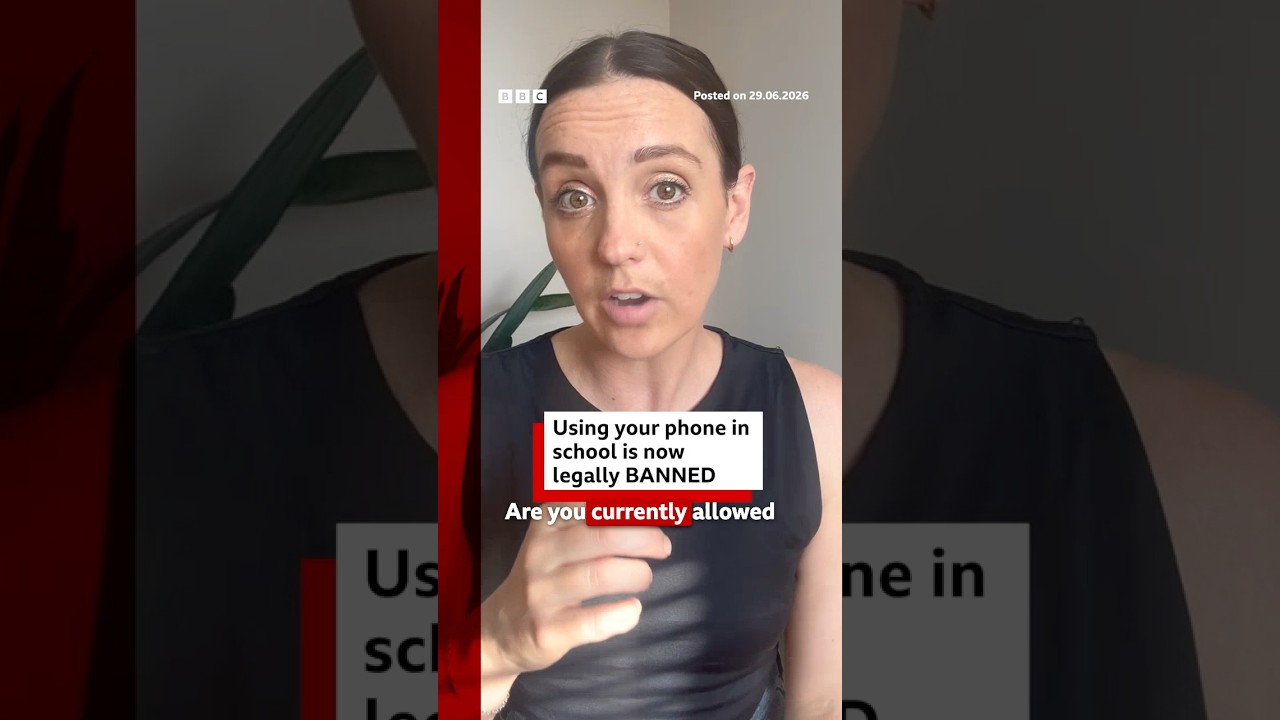
The landscape of mobile phone usage in schools is undergoing a significant transformation in England as the government enacts a legal ban on phone use within educational settings. This initiative, effective immediately, mandates that students must now forgo their devices throughout the school day. The rationale is straightforward: to create an environment conducive to learning and to reduce distractions. The implications of this policy extend beyond mere compliance; they touch on fundamental questions about education, technology, and student well-being.
Until now, the debate surrounding mobile phone usage in schools has been marked by inconsistency. While many institutions have implemented various strategies—such as designated pouches or lockers for phones—others have adopted “no see, no hear” policies. The government has taken a decisive step by mandating that all schools adhere to a phone-free policy, effectively eliminating any allowances for usage during breaks or lunch hours. This creates a united front in addressing the challenges posed by smartphones in educational contexts.
One significant aspect of this policy is the autonomy it grants to head teachers. Each school’s leadership is best positioned to understand the unique dynamics of their student body. Therefore, the government encourages school leaders to determine how to enforce the ban effectively. This flexibility recognizes that a one-size-fits-all approach may not be suitable for every environment. However, this autonomy has posed some challenges, as teachers, administrators, and students navigate the new regulations.
Despite the apparent benefits of eliminating phones from the classroom, concerns have been raised. A math teacher in Barnsley articulated a common sentiment: without the distraction of mobile devices, students are engaging more in conversations, fostering a richer social fabric within the school environment. Yet, there’s a darker side to consider. The same teacher expressed worry about the after-hours habits of students, particularly their proclivity for “doom scrolling” late into the night. One student reportedly spent hours on TikTok, not settling down until the early morning. Such behaviors raise critical questions about the balance between technology use and student health.
The ban is not without its critics, who argue for a comprehensive approach to addressing the underlying issues associated with smartphone usage. One teaching union has advocated for increased funding for schools to facilitate the implementation of the ban, including resources for pouches and secure storage solutions. The call for funding is particularly poignant, highlighting the necessity of not just enforcing the ban, but supporting schools in making the transition smooth and effective.
Moreover, the new guidelines also stipulate that teachers are prohibited from using their personal phones in front of students. This restriction aims to foster an environment where educators model technology-free engagement. However, teachers are still permitted to use their phones for administrative tasks—such as issuing homework assignments or managing rewards and sanctions—thereby ensuring that educational objectives are not hindered by this new policy.
Controversially, the ban comes in conjunction with broader discussions about social media, particularly concerning its impact on adolescents. A proposed social media ban for those under 16 years adds another layer to the conversation about youth and digital spaces. These interconnected debates reflect a growing acknowledgment that technology’s role in education is complex and multifaceted.
In conclusion, the legal ban on mobile phones in English schools marks the dawn of a new chapter in educational policy. While fostering a distraction-free environment holds potential benefits for student engagement and social interaction, it is vital that schools are equipped with the necessary resources to navigate this change effectively. This shift invites educators, policymakers, and communities to reflect on the role of technology in the classroom as they strive to cultivate the best possible learning environments for future generations. The dismantling of mobile phones in schools is not just a regulation; it’s an invitation to rethink how students interact with technology—and, by extension, each other—in the modern educational landscape.