Chaos on Capitol Hill: Trump’s Erratic Leadership Strains Party Unity
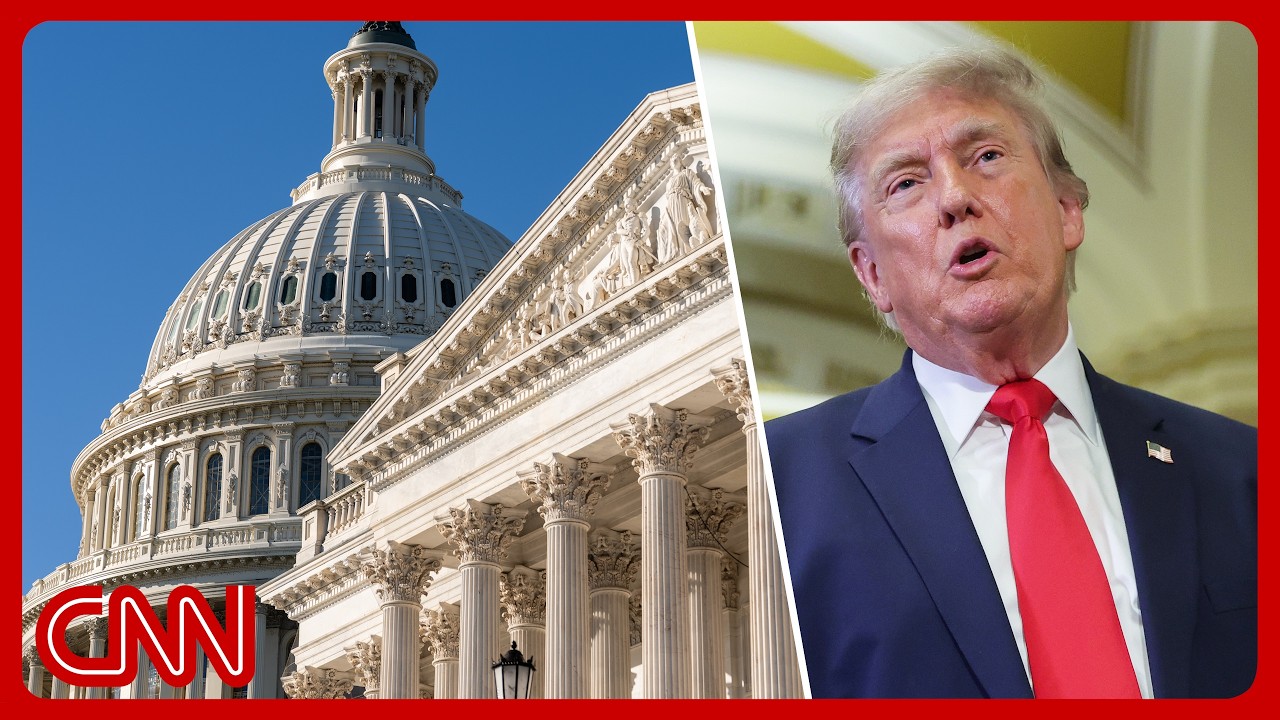
In a turbulent display of tension, President Donald Trump branded Senator Bill Cassidy as a “lunatic” during a contentious lunch meeting with Republican lawmakers at the Capitol. This marked yet another episode of discord that has become characteristic of Trump’s interactions within his own party. The incident not only underscored the existing fractures among Republicans but also highlighted an alarming trend: the President’s prioritization of his political agenda over party unity and effective governance.
The confrontation arose as Senator Cassidy sought clarification from Trump about the ongoing war efforts, telling the President, “You have not told the American people what’s going on. It was supposed to last four weeks. It’s lasted four months.” This straightforward inquiry, intended to provide transparency to the public, was met with an irate response from Trump, escalating to a shouting match. Cassidy later recounted, “The president didn’t want to hear my question. I didn’t care to be interrupted.” His insistence on obtaining answers reflects a growing frustration among lawmakers who feel sidelined in critical discussions about national issues.
This isn’t merely an isolated incident. The lunch meeting itself followed a public humiliation for Republicans, stemming from Trump’s abrupt cancellation of a bipartisan housing bill signing intended to address affordability—a topic poised to resonate strongly with voters. Just a few hours before the event, Trump derailed the entire endeavor, insisting that it be postponed until the passage of his “Save America Act,” a bill that centers on voting rights and voter ID requirements. Ironically, this move confused Republican lawmakers who had aimed to campaign on housing issues leading up to the midterms.
The decision to prioritize the Save America Act—particularly in light of its lack of support even within the Republican Party—raises questions about the President’s commitment to his party’s broader electoral strategies. The housing bill was seen as a significant achievement, yet it crumbled under the weight of Trump’s capricious directives. “No one gives a blank about housing,” he claimed privately in a previous meeting—a sentiment that appears to have materialized in his recent public action.
His withdrawal of support for the housing bill serves as a poignant reminder that Trump’s political calculations often prioritize his own narrative over the collective goals of the Republican Party. Lawmakers like Senator Lisa Murkowski and Senator Tom Tillis have expressed trepidation about the potential disenfranchisement that might arise from the measures in the Save America Act. Meanwhile, others within the party have voiced frustration at Trump’s single-minded focus on power and control, often at the expense of substantial discourse and constructive governance.
Trump’s actions reflect a broader strategy: a clear aversion to negotiation or compromise. Unlike traditional legislating, which necessitates discussions across party lines, Trump appears to prefer a “full gas, no brakes” approach. His fixation on electoral power is evident, especially as he faces forthcoming accountability measures that could threaten his political future. This urgency explains, to a certain extent, his reckless disregard for party cohesion.
While Cassidy’s warm response to Trump’s insult illustrates a significant cultural shift within the Republican Party—where members are increasingly willing to publicize grievances against their own leader—it also demonstrates a growing concern regarding the sustainability of Trump’s leadership style.
The chaos at the lunch meeting encapsulates a deeper, ongoing struggle within the Republican landscape. With Trump’s presidency increasingly characterized by volatility, lawmakers must navigate through a fragmented party structure that struggles to unify around shared principles. The path forward for Republicans appears fraught with challenges, as they must contend not only with internal discord but also with the very real stakes of the upcoming elections.
As the summer unfolds, the GOP faces a pivotal crossroads. Will leaders like Cassidy and others leverage their voices to assert a more cohesive, strategic direction for their party? Or will they succumb to the whirlwind of chaos that Trump seems to delight in maintaining? One thing is clear: the conflict unfolding in the Capitol is symptomatic of a larger battle, one that will ultimately shape the trajectory of the Republican Party for years to come, for better or worse.