Investigation Unveils Counterfeit Operation in Mississauga
On May 12, Lipkus Law alerted local law enforcement about a warehouse suspected of housing illegal goods, initiating a thorough investigation. This suspicion culminated in the execution of four criminal code search warrants on May 26 at a facility operating under the name Amana Trading Company, located in Mississauga. The results were staggering. Law enforcement seized more than 16,000 counterfeit items, a mere fraction of the vast operation they uncovered.
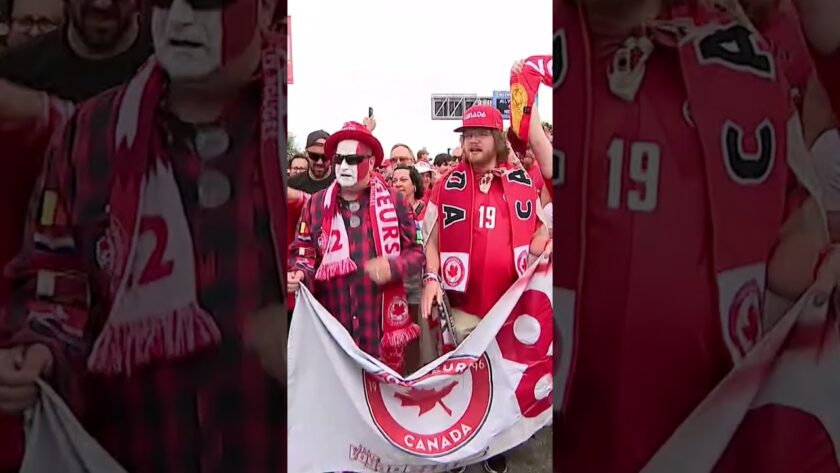
Among the trove of fake merchandise were jerseys and flags bearing the likenesses of popular sports teams, as well as two counterfeit FIFA World Cup trophies. The estimated street value of this haul exceeded an astonishing $3.5 million. Investigators linked the operation to two individuals: Rami Jabber, 41, of Milton, Ontario, and Waleed Sarhan, 62, of Mississauga. Both were taken into custody on multiple charges, including fraud over $5,000 and possession of property obtained by crime over $5,000.
Given the sheer scale of the operation, it’s apparent that Jabber and Sarhan had been orchestrating this scam for an extended period. Operating under the guise of a legitimate distributor, they supplied counterfeit merchandise to retail stores, preying on legitimate business practices to further their unlawful activities. Such tactics not only defraud consumers but also undermine legitimate businesses that abide by the rules.
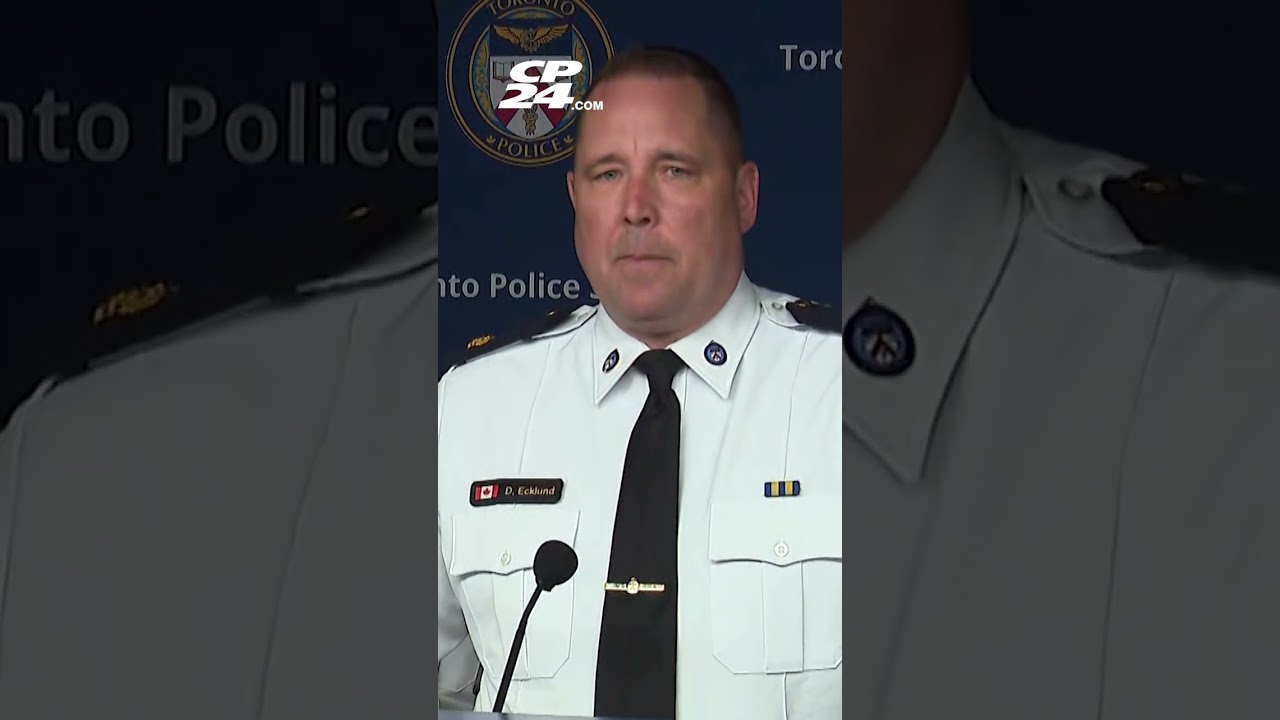
In commenting on the investigation, authorities expressed gratitude to the Toronto Police Service’s FIFA planning team, particularly Detective Patrick Costello and his collaborators from the public safety response team. Their coordinated efforts proved critical in this large-scale seizure and in potentially preventing countless individuals from becoming victims of fraud.
The prevalence of counterfeit merchandise during major sporting events, particularly the FIFA World Cup, presents a perennial concern. Criminal enterprises exploit the heightened excitement surrounding these events, recognizing that fans are eager to support their favorite teams. This demand creates an opportunity for unscrupulous vendors to sell counterfeit goods, often at drastically reduced prices. While the allure of a ‘bargain’ can be tempting, it underscores the importance of vigilance among consumers.
The repercussions of these counterfeit operations extend beyond mere financial loss for consumers. The funds generated from such illegal activities often contribute to larger networks of organized crime, including human trafficking. The reality is stark: counterfeit operations aren’t merely an inconvenience; they are embedded in a complex web of criminal activity that can have dire consequences for individuals and communities alike.
In light of these findings, public officials emphasize the necessity for buyers to feel assured about the authenticity of the products they are purchasing. Consumers are urged to be discerning: "If it feels too good to be true, it probably is,” cautioned a police representative. This mantra serves as a vital reminder to always investigate the origin of products and to ensure they are sourced from authorized sellers.
For those who suspect they may have fallen prey to fraud, law enforcement encourages immediate action. Reporting such incidents not only aids in rectifying personal losses but also contributes to a broader effort to dismantle fraudulent networks. Collective vigilance can hinder these operations, providing a measure of protection for communities and ensuring that the integrity of genuine goods remains intact.
As this investigation unfolds, it serves as a reminder that illegal activities can lurk beneath the surface of seemingly legitimate operations. Both consumers and authorities will need to remain vigilant to combat such crimes effectively. By doing so, we can help preserve the integrity of legitimate commerce and protect the interests of law-abiding citizens.