The Ongoing Struggles of Ukrainian Life Amidst War
As night falls in Kyiv, the atmosphere is thick with tension. Sirens wail from afar, signalling the imminent threat of missile strikes. The distinct whistle of missiles slicing through the sky punctuates the nightly routine of residents, who find themselves enveloped in an almost surreal scenario—a reality that has persisted for over four years. Each explosion reverberates through the air, serving as a reminder of the relentless conflict fueled by Russia’s aggression.
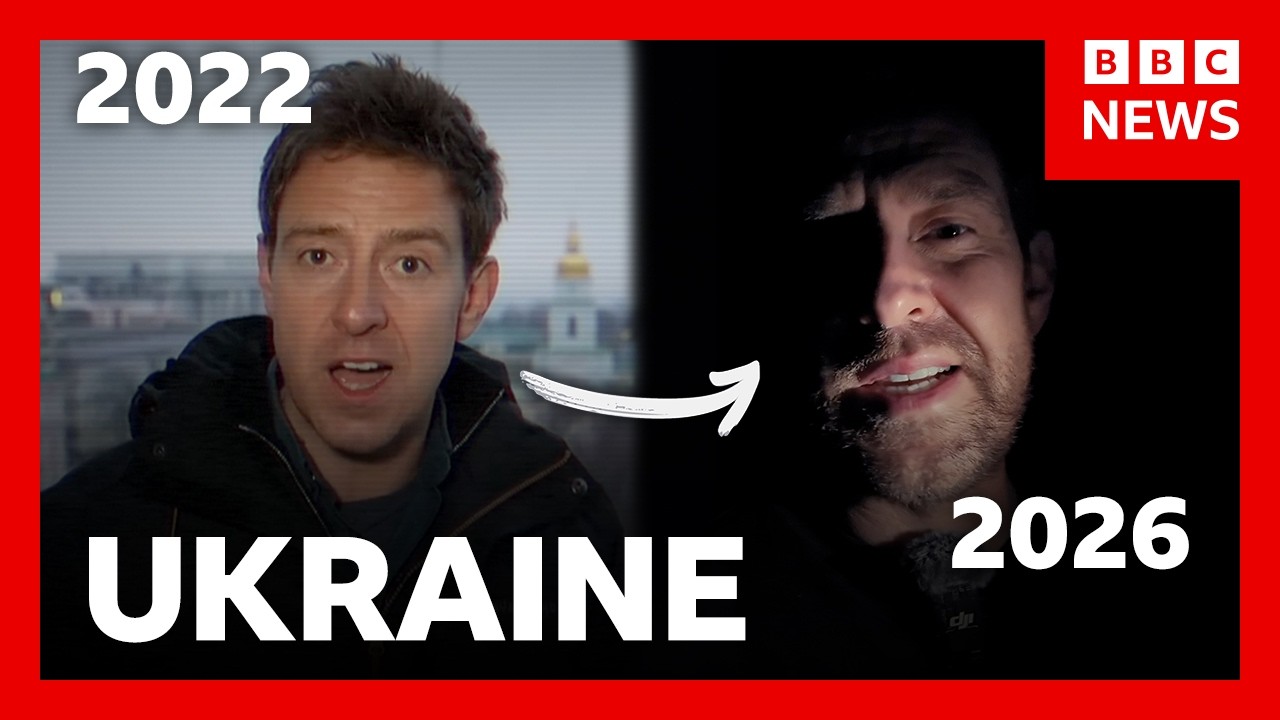
Nick Beak, a journalist who covered the capital during the early days of the invasion, reflects on these harrowing experiences. In the aftermath of repeated bombings, he highlights how the Ukrainian people have adapted to living under constant threat, their lives interspersed with moments of dread and resilience. "This just exhausts people night after night," he notes, effectively capturing the psychological toll of this ongoing war.
Despite the devastation, the Ukrainian spirit remains unbroken. Life in Kyiv continues to pulse, albeit under a cloud of uncertainty. The city’s infrastructure, including a recently damaged cathedral, stands as a testament to the rich cultural legacy that the conflict seeks to undermine. Residents remain steadfast, drawing strength from a shared sense of purpose—the defense of their homeland.
Drone technology has emerged as a pivotal factor in Ukraine’s military strategy. Beak visits a Ukrainian drone factory, a ‘top secret’ site producing small, agile interceptors crucial for counteracting larger Russian attack drones. "It’s a constant technological race," explains Marco, the factory’s managing director. The urgency of innovation encapsulated in his words illustrates not just a competition of arms, but a battle for survival and autonomy. The facility, equipped with over 300 3D printers, is emblematic of Ukraine’s industrial ingenuity, cranking out thousands of drones each month. This high-tech response signifies a turning tide in this grueling conflict.
As Beak ventures out to reconnect with civilians he interviewed during the initial days of the invasion, poignant stories emerge. He finds Alona, a history student transformed by the upheaval around her. "We have to become adults very fast," she shares, capturing the harsh reality faced by young adults whose aspirations have been compelled to collide with the duties of survival.
Their conversations weave a narrative of resilience, hope, and an unyielding desire for normalcy. For many, including Alona and her peers, the war has transformed their future from dreams into stark goals—survival and victory for their nation. "It’s a little bit easier now to think about our future," she remarks, reflecting on the newfound capability of their military.
Later encounters with soldiers and civilians alike reveal a spectrum of emotions ranging from determination to despair. Mark, a volunteer and former army reservist, grapples with personal choices about returning to the frontlines. He acknowledges the weight of responsibility that hangs over every decision made in a time of war. “I think one day I must go,” he admits, a mixture of resignation and resolve in his voice.
The impact of the conflict doesn’t just occupy physical spaces; it stretches into the very psyche of the populace. Victoria, a former frontline commander, describes the anguish of living with the sounds of war while trying to provide a semblance of normalcy for her son. “Unfortunately, we adapt to terrible things,” she states, embodying the emotional tumult that shapes day-to-day life in Ukraine.
As night descends again, the cycle of fear resumes. Explosions punctuate the terrifying calm, with residents urgently seeking shelter, an all-too-familiar routine. Images of destruction flash across screens as Beak prepares to report on the aftermath, his own sense of urgency highlighted by the specter of violence looming outside.
Ultimately, the journey through Ukraine reveals a complex tapestry of survival in the face of persistent danger. Residents continue to navigate their realities with resilience, despite the incessant threat of missile strikes and drone attacks. The war has transformed the landscape—not just physically but emotionally, as each life bears the weight of loss and hope intertwined.
As Beak concludes his coverage, it’s clear that each story told is not merely an account of survival but a testament to the spirit of a nation unwilling to succumb to despair. Today, in the heart of Ukraine, amidst the drones and sirens, life continues to insistently press on, shaped by the ceaseless drumbeats of conflict and the enduring quest for peace.