Analyzing the Current U.S.-Iran Relations: A Politically Charged Landscape
In recent developments regarding U.S.-Iran relations, President Donald Trump’s administration is poised to lift sanctions on the sale of Iranian oil for a tentative period of 60 days. This decision marks a significant, albeit controversial, shift in policy, as it is the first time in decades that oil imports from Iran will be permitted into the United States. Critics and supporters alike have colored this maneuver with political implications that extend beyond immediate economic benefits.
A Review of Historical Context
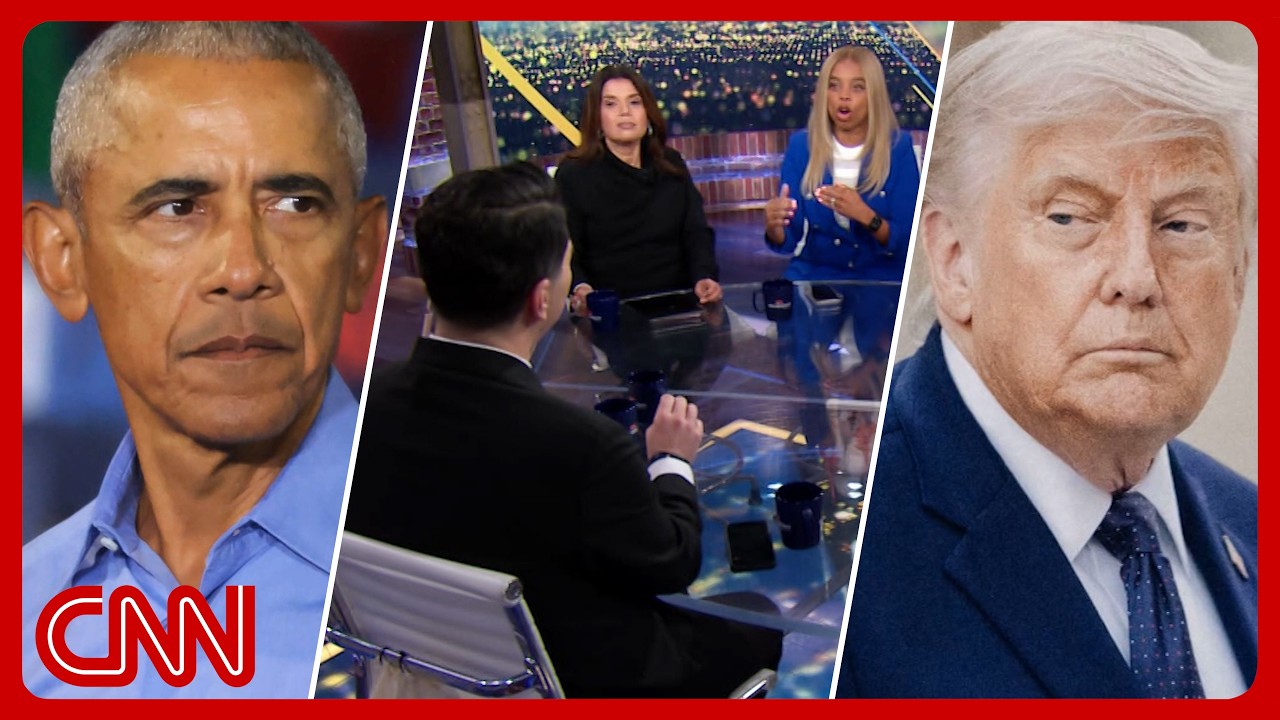
Critics of President Obama’s nuclear deal with Iran often argue that it unjustly granted access to billions in cash, which they allege has bolstered Iranian military capabilities. In reality, much of the funds released were Iran’s own assets, previously frozen. The context of Trump’s approach is markedly different. Supporters claim enhancements in U.S. military strength have altered the power dynamics in the region. However, skeptics question the wisdom of negotiating with an adversary long deemed untrustworthy.
The military landscape of the Middle East has changed significantly since Obama’s tenure. For one, U.S. military actions have effectively degraded Iran’s military assets. Advocates for a new negotiated resolution suggest that America is now entering talks from a position of strength, offering an opportunity to reshape relations with Tehran. They argue that engaging in negotiations could stabilize the region, opening routes through crucial shipping lanes like the Strait of Hormuz.
The Political Calculus
Yet, there remains a palpable skepticism regarding the motivations guiding this sudden pivot. The lifting of sanctions is seen, by some, as an election cycle strategy aimed at easing current inflation pressures and reducing gas prices in the face of the upcoming midterms. Critics, including some within Trump’s own Republican base, express doubts about Iran’s willingness to act in good faith, given their historical pattern of reneging on agreements.
In contemplating the underlying strategy, it is evident that political optics play a significant role. Some Republicans suggest that the short timeframe makes it unrealistic to expect substantial changes to emerge. The notion that this could yield a genuine diplomatic breakthrough appears, to many, overly optimistic.
An Examination of Iran’s Position
Iran’s situation has not improved significantly for the general populace; they remain under the oppressive grip of a regime that has historically diverted funds into military investments rather than domestic welfare. Critics of the emerging agreement point out that the Iranian leadership is likely to utilize any unfreezing of assets to continue funding factions like Hezbollah, thus amplifying regional instability rather than alleviating it.
Concerns are growing that reinstating oil sales and easing sanctions will only rejuvenate Iran’s military, despite the promise of negotiations. The apprehensions are echoed by various U.S. military and political strategists who question the efficacy of engaging Tehran in what they view as inherently flawed discussions.
The Road Ahead: A Pragmatic Approach
Moving forward, the complexity of negotiating with a nation known for its military aggression poses significant challenges. As discussions progress over the next 60 days, the focus should be not just on the immediate tactical advantages but also on the broader implications of the deal. Key questions remain: What happens if negotiations falter? What military actions might the United States need to reconsider?
Importantly, some analysts suggest that there should be a comprehensive, pragmatic strategy that includes all parties affected by Iran’s policy actions, encompassing regional allies and adversaries alike. Simply lifting sanctions without a constructive agreement may signify a lack of foresight that could lead to further conflicts in the Middle East.
Conclusion
As the discussions evolve, it is crucial for policymakers to approach the situation with a balanced perspective. Understanding the political motivations and historical context will play an essential role in assessing the true potential for progress in U.S.-Iran relations. The path forward may require a delicate balance of cooperation and scrutiny. Ultimately, the American public’s interests and security imperatives must guide these complex negotiations, ensuring that they do not inadvertently finance further aggression in an already volatile region.