The Complex Web of Jeffrey Epstein’s Model Recruitment
Jeffrey Epstein’s legacy is shrouded in darkness, particularly regarding his notorious connections to the modeling industry. Despite his 2008 conviction for soliciting prostitution, involving a minor, a network of individuals continued to facilitate his access to young women. Recently uncovered documents and interviews have painted a startling picture of how this alleged sex offender maintained a grip on a world that should have safeguarded its participants.
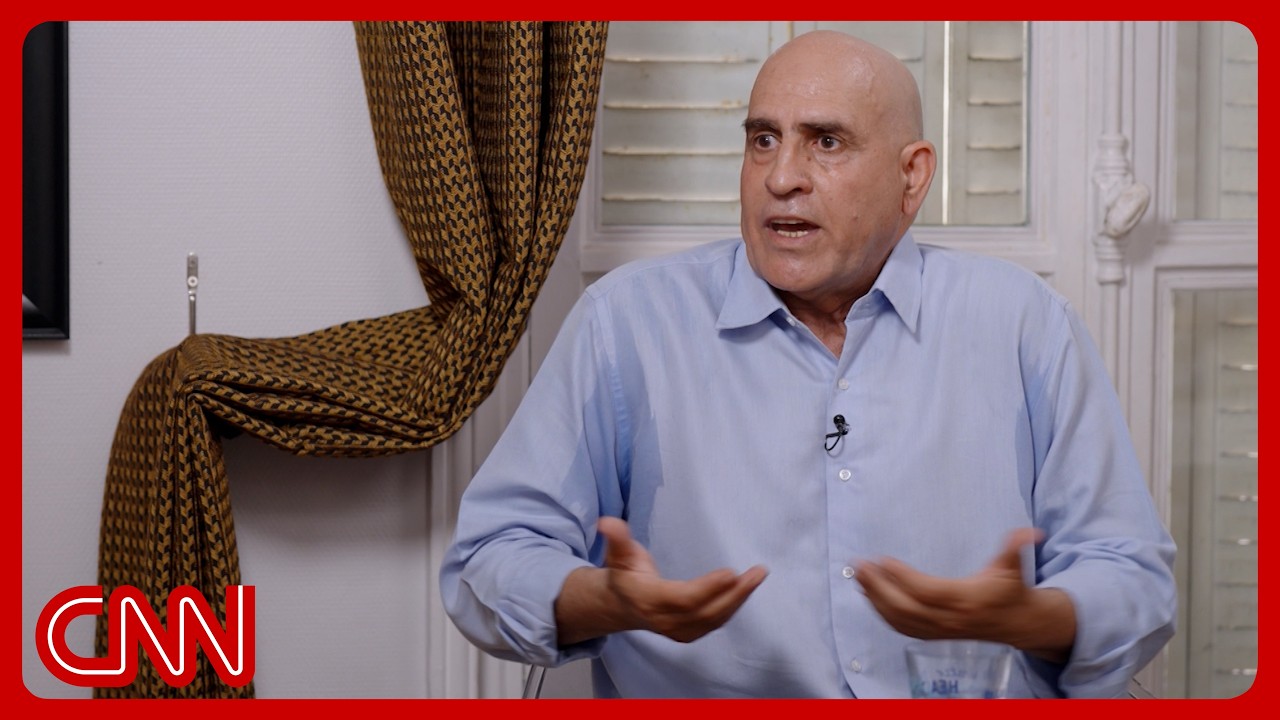
Deep within Epstein’s records, CNN flagged correspondence revealing that he was in contact with multiple model scouts and agents even after his conviction. These interactions included not just the exchange of images of young women but also discussions about meeting arrangements. One such individual, Daniel C., who arranged for models to meet Epstein, claimed he never perceived any risk in sending young women to a convicted sex offender. He asserted, "He has been very professional with me.” However, in this case, business ethics are profoundly clouded by moral responsibilities.
Epstein’s charm and financial resources allowed him to navigate the industry with alarming ease. Emails indicate that substantial payments were made to agents like Sead, with conversations revealing Epstein’s assessment of prospective models in a disturbingly trivial manner. For instance, terms like “cute French girl” surfaced in correspondence, often followed by an evaluation that left no room for ambiguity: “Too old,” was one reply. The objectification is striking and speaks volumes about the power dynamics at play.
Despite claiming to operate as a facilitator for agencies like MC Squared and superficially acting as a casting director for Victoria’s Secret, Epstein had no recognizable official role at these institutions. The façade he maintained allowed him to exploit the trust placed in him by others. Daniel C., whose interactions with Epstein extended over a decade, defended his actions by arguing that he had never witnessed any wrongdoing. Yet, relying solely on personal experience reveals a dangerous naivety.
Young models who were pitted against Epstein’s predatory tendencies often found themselves ensnared in a web of manipulation. One former model, Juliet, recounted her nerve-wracking experience upon meeting Epstein in New York. She described an unsettling encounter characterized by demands to undress, leading her into a spiral of fear and confusion. Her story, while deeply personal, is alarmingly similar to testimonials from other victims who were left grappling with trauma.
These disturbing revelations extend beyond Epstein himself; they implicate a broader cultural complicity that facilitated his exploitation of vulnerable individuals. Faith Kates, co-founder of Next Management, and others in her position continued to facilitate Epstein’s interests, aware albeit perhaps superficially of his past. Kates reportedly expressed regret, claiming to have been “grossly misled” by Epstein—a claim that raises questions about accountability within the industry.
Moreover, figures like John Luke Brunell, who was charged in France for sex crimes involving minors and had connections with Epstein, lay bare a network ripe with exploitation. Brunell’s actions—allegedly funneling young girls to Epstein—highlight a systemic failure to protect those who are most vulnerable. His death in prison while awaiting trial leaves a haunting void in the pursuit of justice.
Currently, investigations are unfolding in France regarding Epstein and his links to several modeling agencies, including Daniel C.’s involvement. The Paris prosecutor’s office has launched inquiries, leaving many victims hoping for an opportunity to seek justice. For survivors of Jeffrey Epstein’s abuse, the path to justice is both labyrinthine and fraught with emotional challenges, reflecting a larger societal confrontation with the legacies of power and exploitation.
Ultimately, the Epstein saga is not merely about a single predator; it unveils an entire culture of complicity that needs to be dismantled. The voices of victims must galvanize change within industries that exploit the naive and the young. As investigations continue and narratives unfold, it becomes imperative that those who hold power are held accountable for the consequences of their actions—or indifference. The hope for justice is that the truth will not only emerge but also inspire a cultural awakening that recognizes the urgent need for reform.