Reforming NHS Maternity Care: A Call to Action
The landscape of maternity care in England is undergoing a critical examination, highlighted by a recent national inquiry that has exposed systemic deficiencies within the NHS maternity services. The inquiry, led by Baroness Amos, has called for urgent reforms, citing that the existing system is neither equipped to deliver consistent safety nor compassionate care. On the forefront of this issue are thousands of women who have been affected by these shortcomings, many of whom have banded together in advocacy efforts to demand change.
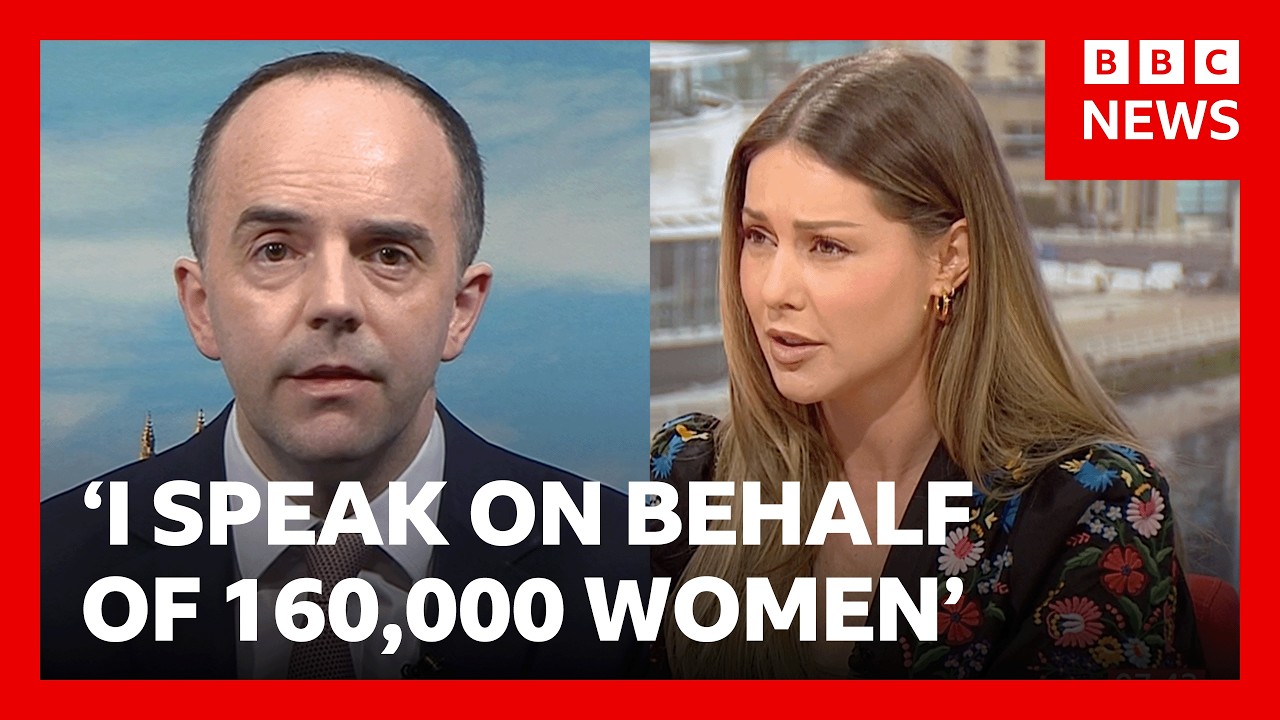
One of the pivotal figures in this ongoing dialogue is Health Secretary James Murray, who addressed these pressing concerns in a recent interview. The statistic is startling: over 160,000 women have signed a petition spearheaded by campaigners Theo and Louise Thompson, who echo the sentiments of widespread dissatisfaction with maternity services. If the government is serious about rectifying these systemic issues, clarity and commitment are essential. “We would feel a lot more confident if there was a date that we knew the government was working towards,” expressed a representative of the affected women.
However, when pressed for a timeline, Mr. Murray refrained from committing to a specific date, citing the importance of providing an actionable promise rather than setting unattainable expectations. This cautious approach reflects an underlying hesitation that has permeated the discussions around maternity reform; it raises the question of how deeply the government understands the urgency of the situation.
Baroness Amos’s report has not only criticized the quality of care in maternity services but has also tackled the pervasive issues of racism and discrimination within the system. Recognizing these failings is a crucial step, but actions must follow. The government has accepted the report’s recommendations, including the appointment of a national maternity commissioner—a role intended to enhance accountability and, crucially, to ensure that women’s voices are heard in the decision-making processes that affect their health and well-being.
This proposed commissioner could serve as an important advocate for pregnant women, yet the pressing question remains: how effective will this role be in real terms? While the commissioner aims to address the disconnection between maternity services and the women they serve, the implementation timeline is uncertain. Mr. Murray indicated that discussions would take place within the next two weeks, aiming to draft a detailed action plan for the role. This plan, however, must then navigate through legislative processes—a journey that could take time and could leave thousands of women vulnerable during critical periods of their pregnancies.
As Louise Thompson poignantly pointed out during the interview, the lack of a firm timeline could be interpreted as a lack of urgency. The health secretary defended his position by stating the importance of a well-defined role that carries weight and authority, arguing that it is better to establish a thorough plan than to rush into appointing a commissioner without proper groundwork. Yet this cautious approach can be frustrating for those awaiting immediate change.
Moreover, the inquiry has sparked debate regarding the need for a full public inquiry with statutory powers. Many affected families are demanding transparency and accountability, fearing that without such an inquiry, significant failings may continue to be overlooked. Mr. Murray acknowledged these sentiments but remained noncommittal about launching a broader inquiry.
In the wake of these developments, the voices of those impacted must not be overlooked. There is an undeniable need for systemic change within NHS maternity services. Families are not merely statistics; their experiences are traumatic, with long-lasting repercussions that extend beyond birth.
To the mothers-to-be and families awaiting care in NHS hospitals, empowerment is key. Advocate for yourself. Share your concerns. Trust your instincts. While reform is underway, it is paramount to remain informed and aware of your rights within the system.
As we watch how the government responds to these critical recommendations and calls for change, one thing remains clear: the time for real action is now. The call for reform is not just a plea for better services; it is a demand for dignity, respect, and ultimately, the safe care that every mother and child deserves.