Navigating the Political Landscape: Insights from Scott Reid
In the intricate world of politics, shifts at the municipal, provincial, and federal levels often intersect, creating a dynamic environment that is never dull. This morning, CTV’s political commentator Scott Reid shared his assessments of recent developments, from Toronto’s mayoral race to broader issues involving trade agreements like CUSMA. With the air thick with political maneuvering and public sentiment in flux, Reid’s commentary provides a keen lens through which to analyze these unfolding stories.
One notable topic emerged: the proposed renaming of Sankofa Square to Toronto Square by Councillor Brad Bradford. For Reid, this move is emblematic of deeper issues facing downtown Toronto. "Sankofa Square is a mess," he remarked, emphasizing the need for a thorough clean-up. Families moving into the area, he noted, are often met with a disappointment that detracts from the city’s image. Bradford’s initiative doesn’t just aim at a rebranding; it intends to address the roots of the problems plaguing the square.
However, Reid pointed out a critical concern: the political risks associated with such a name change. While some might dismiss voting records as irrelevant to everyday citizens, the emotional weight behind the name change can spark heated debates. Bradford’s bold stance could resonate with a populace disillusioned by urban decay, and, according to Reid, it might place him strategically in an election year as he positions himself against incumbent Mayor Olivia Chow’s perceived inadequacies in addressing these pressing issues.
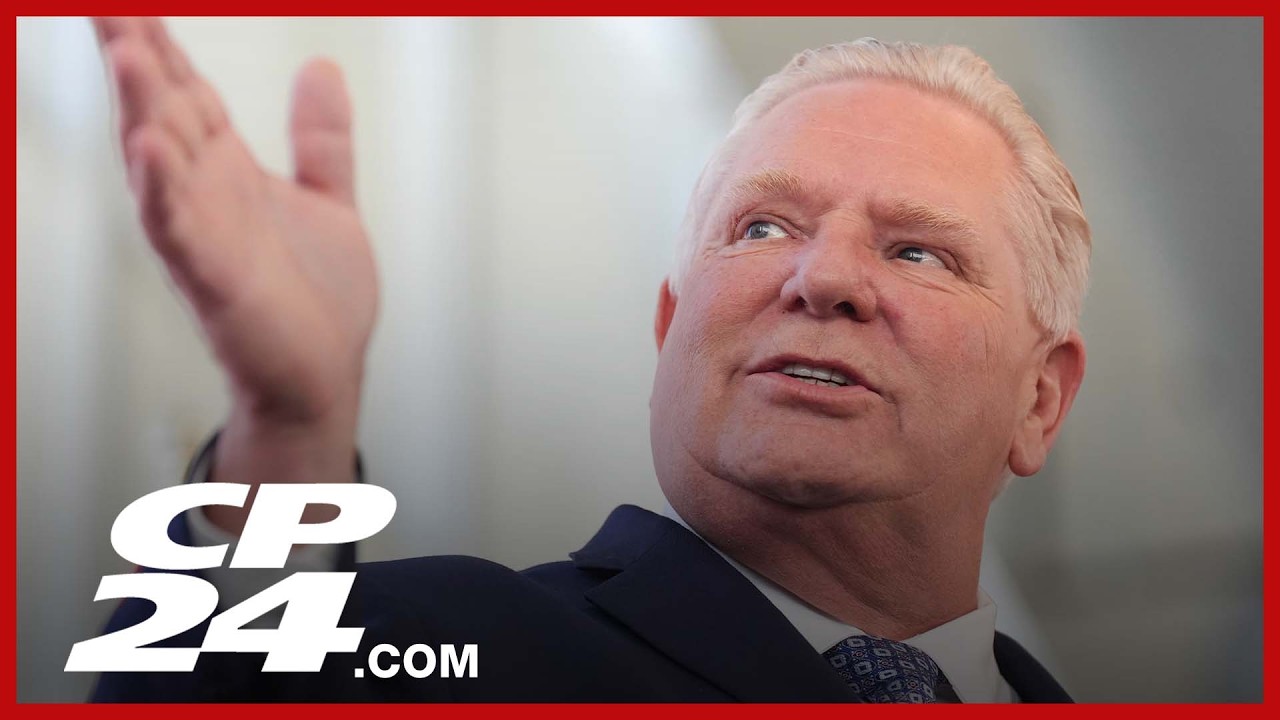
Transitioning to provincial matters, Reid turned his focus to Premier Doug Ford, who has recently taken to promoting Canadian trade relations. Ford’s presence at international meetings, such as the Western Governors Association in Utah, serves a dual purpose: it showcases his commitment to strengthening economic ties while also acting as a buffer against recent political turbulence back home. Reid noted that Ford’s re-engagement in trade discussions may be an effort to counterbalance criticisms surrounding local governance and upcoming contract negotiations. The political climate demands a return to “Captain Canada,” a persona Ford has previously utilized to great effect.
However, the relationship between Ford and the federal government appears strained. Recent controversies, including perceived US backlash against Ford’s trade advertisements, have made Ottawa cautious. Reid suggests the federal government may adopt a “kid gloves” approach to Ford, in light of these tensions. This apprehensive stance indicates a shifting political landscape where collaboration is overshadowed by underlying grievances.
Looking ahead to Canada Day, Reid provided insights into the Prime Minister’s plans, notably his visit to Alberta. With Alberta’s political dynamics—including separatism and ongoing discussions around pipeline projects—Prime Minister Trudeau’s trip is laden with symbolism. Reid pointed out that the Prime Minister will likely maintain a calculated communication strategy, emphasizing unity and continuity in trade discussions amidst the backdrop of celebrations.
As the deadline for CUSMA renewal looms, both Canada and Mexico are poised to advocate for an extension, while the U.S. may resist pressures for swift agreement. Reid highlighted that Trudeau’s messaging will likely be a juggling act: reinforcing Canada’s commitment to trade without inciting panic over the negotiations’ complexities.
The discussion culminated in an acknowledgment of the unpredictable nature of trade politics, especially considering Donald Trump’s impending midterm elections. Reid’s commentary emphasized that the situation remains fluid and, as such, carries inherent uncertainty.
As the political landscape evolves, insights like those of Scott Reid illuminate the nuanced interplay of local and international politics. His observations underscore the importance of strategic decision-making, as leaders navigate complex sentiments and expectations from their constituents. This ongoing dialogue will be critical as Canadians prepare for an election year and grapple with broader economic issues that impact their everyday lives.