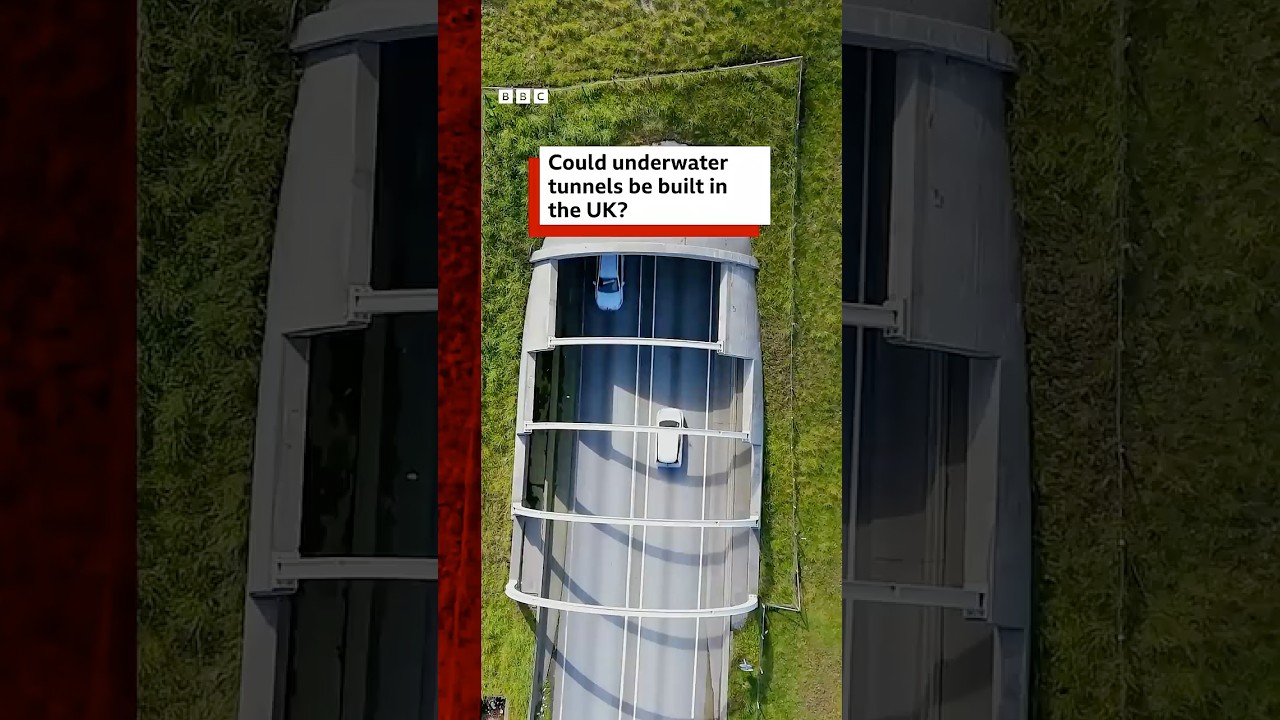
The Future of Undersea Tunnels: A New Era for Scotland’s Islands
Scotland is renowned for its breathtaking coastlines and myriad beautiful islands. Yet, for islanders, navigating between these scattered gems has often posed significant challenges. Ferries, while picturesque, can be unreliable, making travel cumbersome. However, a transformative idea is emerging from the Shetland Islands at the northern tip of Scotland—a series of undersea tunnels that could redefine connectivity and economic vitality in the region.
The Shetland Islands have recognized the limitations of their current transport infrastructure. With plans to construct two tunnels in the coming years, the local government aims to streamline travel between the islands, benefiting both residents and businesses. Essential services, such as the nearby spaceport, stand to gain from improved accessibility, potentially fostering economic growth and attracting investment. The proposal is visionary, hinting at a future where travel is no longer dictated by the whims of weather or ferry schedules.
The Shetland initiative is not without precedent. The Faroe Islands, located further out in the Atlantic, have paved the way with their extensive network of underwater tunnels, having successfully built over 20 of them, including four that traverse the ocean floor. This ambitious infrastructure project has reportedly had a positive impact on their economy. The Faroese experience indicates that such tunnels can significantly enhance connectivity, leading to economic opportunities previously out of reach.
Shetlanders are hopeful that their forthcoming tunnels will yield similar, if not greater, benefits. As the community contemplates the implications of enhanced access, excitement is palpable among business owners and residents alike. Improved transport links could open new markets for local goods and services. It may not only simplify purchasing essentials like groceries but could also encourage tourism, bringing visitors to experience the unique culture of the islands.
Economists and transport experts note the sustainability of such projects. Unlike ferries, which require ongoing operations and maintenance, undersea tunnels can provide an enduring solution to connectivity issues. They promise to reduce the carbon footprint associated with frequent ferry travel, aligning with broader environmental goals. In a time when ecological considerations are paramount, the potential for reduced emissions presents a compelling argument for moving ahead with this infrastructure.
However, the transition from dream to reality is fraught with challenges. The engineering complexities of undersea tunnels demand significant investment and expertise. Safety concerns, environmental implications, and the need for rigorous planning mean that stakeholders must tread carefully. Local communities will need to engage meaningfully in discussions about the impact of tunnel construction on their lives and the environment. It is essential that the construction process is transparently managed, with input from the residents who will ultimately rely on this new infrastructure.
The vision for connecting the Shetland Islands through undersea tunnels invites us to consider a broader question: Could this approach transform transport across other regions of Scotland? If successful, the Shetland model may inspire similar projects on other archipelagos, establishing a precedent for enhancing connectivity and economic viability across isolated communities.
As with all ambitious undertakings, the proposed tunnels represent both an opportunity for progress and a platform for discourse. The balance between modern infrastructure development and preserving the unique heritage of these islands must be carefully maintained.
In conclusion, the potential arrival of undersea tunnels in the Shetland Islands marks a pivotal moment for Scotland’s islands. By embracing innovation while honouring tradition, the region stands on the brink of a transformative journey—one that could redefine not only how islanders travel but also how they engage with the broader world. The eyes of the nation will be watching closely as this promising project unfolds, potentially serving as a blueprint for maritime connectivity in the future.